
Contact us
E-mail: dong@cnhtpipes.com
Phone: +86-19131787770
WhatsApp: +8619131787770
Wuliyao Industrial Zone, Yanshan County, Cangzhou City, Hebei Province, China

Reducer
Share to


- Description
-
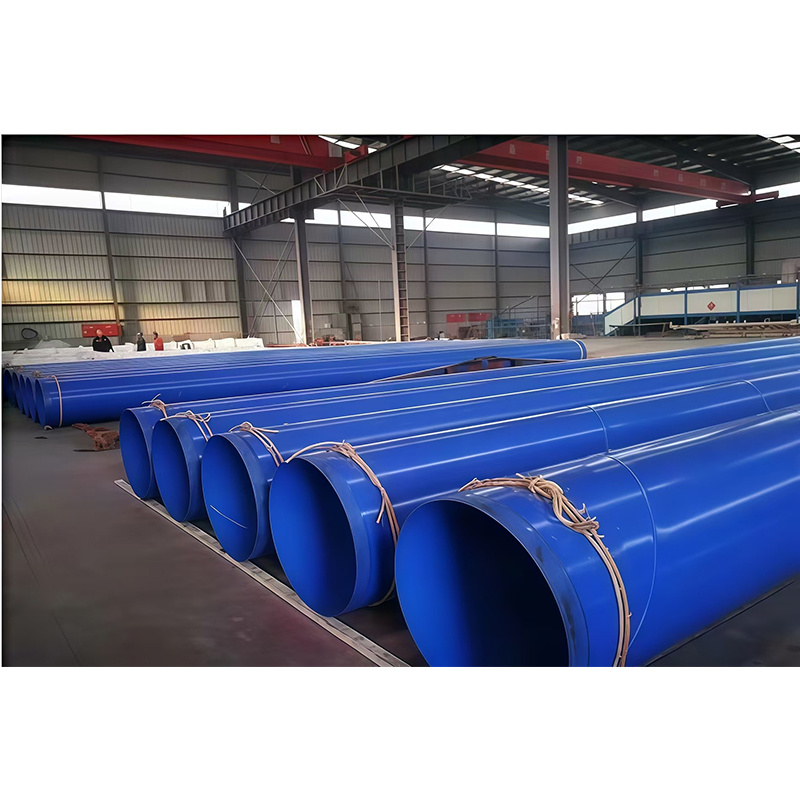
Insulated steel pipe, as the name suggests, is a steel pipe with thermal insulation or electrical insulation properties.
Thermal insulated steel pipes are a critical innovation in the field of energy transportation and industrial processes, offering enhanced efficiency, cost savings, and environmental sustainability. These specialized pipes are designed to transport hot liquids, gases, and steam while minimizing heat loss over long distances. By combining the strength of steel with advanced insulation materials, these pipes ensure that temperature-sensitive contents maintain their ideal conditions during transit, which is crucial for industries such as oil and gas, power generation, and district heating systems.
Energy Efficiency: The primary benefit of thermal insulated steel pipes is their ability to reduce heat loss during transportation. The insulation layer helps maintain the temperature of the transported fluid, whether it’s hot water, steam, or oil, minimizing energy consumption required to reheat the substance. This makes the system more energy-efficient and reduces operational costs in the long run.
Temperature Control: Thermal insulated steel pipes provide excellent temperature stability, ensuring that the contents of the pipes stay within the required temperature range. This is particularly important for processes that depend on precise temperature control, such as in chemical manufacturing, oil refining, and district heating applications. Consistent temperature regulation prevents potential issues like material degradation or inefficiencies caused by temperature fluctuations.
Corrosion Resistance: Steel, when exposed to harsh environmental conditions, is prone to corrosion, which can compromise its strength and reduce the lifespan of the pipes. The insulation layer not only helps to retain heat but also acts as a protective barrier, shielding the steel from external elements like moisture and corrosive substances. This added protection enhances the durability of the pipes, reduces maintenance needs, and increases their operational lifespan.
Sustainability: As global energy consumption continues to rise, sustainability has become a key focus in industrial infrastructure. Thermal insulated steel pipes contribute to energy conservation by minimizing heat loss and reducing the need for additional heating systems. By improving energy efficiency, these pipes help lower carbon emissions and contribute to greener, more sustainable industrial practices.
Versatility: These pipes are used in various industries where heat is crucial, including district heating systems, oil and gas pipelines, power plants, and industrial processes. In district heating systems, for example, they transport hot water or steam from centralized plants to residential, commercial, or industrial buildings, ensuring a stable and efficient supply of heat over long distances.
Oil and Gas Industry: In the oil and gas sector, thermal insulated steel pipes are used to transport hot oil, steam, or other heated fluids over long distances. This is especially important in colder climates, where temperatures may cause the transported substances to cool and become less efficient. The insulation helps to maintain the fluid’s temperature and reduce the risk of solidification or viscosity changes, ensuring smooth and continuous flow through pipelines.
District Heating Systems: Thermal insulated steel pipes are widely used in district heating systems, where hot water or steam is transported from a central plant to multiple buildings or facilities. The insulation ensures that the water or steam remains at the right temperature, reducing energy waste and providing an efficient, reliable heating solution.
Power Generation: In power plants, where maintaining the correct temperature is vital for efficient energy production, thermal insulated steel pipes are used to transport steam, hot water, and other fluids. The insulation minimizes heat loss and ensures that the energy produced is used effectively, contributing to more sustainable power generation practices.
Industrial Processes: Many industrial applications, such as chemical processing and food production, require temperature-controlled transport of fluids. Thermal insulated steel pipes are ideal for these environments, providing the necessary temperature regulation to maintain product quality and optimize production processes.
Technological Advances and Innovations:
Recent developments in insulation materials and pipe design have led to significant improvements in the performance of thermal insulated steel pipes. Modern insulation materials are more effective at retaining heat while being lighter, more durable, and easier to install. These materials include polyurethane foam, mineral wool, and expanded polystyrene, each offering excellent thermal resistance and moisture control.
Additionally, advancements in coating technology have made these pipes even more resistant to corrosion. The integration of specialized coatings, such as epoxy and polyethylene, enhances the pipes' ability to withstand harsh environmental conditions, further extending their lifespan and reducing maintenance costs.
Features
Good Insulation Performance: Thermal insulation steel pipes can effectively reduce heat loss during the transportation of media, while electrically insulated steel pipes can isolate electromagnetic interference and mutual interference during power transmission.
Corrosion Resistance: The base material of the steel pipe is usually protected by anti-corrosion coatings or linings, and the insulation layer materials also have certain anti-corrosion properties, which can resist the erosion of acid, alkali, salt spray and other harsh environments and prolong the service life of the steel pipe.
High Mechanical Strength: The steel pipe itself has high strength and rigidity, which can withstand a certain degree of pressure and external force during the transportation of media, and is not easy to deform or damage.
Convenient Installation: It is easy to construct, and can be quickly laid and connected on site.
Some insulated steel pipes also have flexible connection methods, which can be connected with other pipeline fittings, reducing the difficulty and time of installation.
Applications
Oil and Gas Industry: In the oil and gas industry, it is used for the transportation of oil and gas. Thermal insulation steel pipes can maintain the temperature of oil and gas, reduce energy loss, and insulated steel pipes with anti-corrosion performance can also prevent pipeline corrosion and ensure the safety and stability of oil and gas transportation.
Heating and Cooling Systems: In district heating and cooling projects, thermal insulation steel pipes are used to transport hot or chilled water to provide heating and cooling for residential, commercial and industrial buildings.
Power Industry: Electrically insulated steel pipes are widely used in power engineering, urban power grid construction and rural power grid transformation projects.They are used to lay power cables to ensure the safety and stability of power transmission and prevent electric leakage and electromagnetic interference.
Chemical Industry: In the chemical industry, insulated steel pipes are used to transport various chemical media.They need to have both thermal insulation performance to maintain the temperature of chemical reactions and anti-corrosion performance to resist the erosion of chemical substances.
Common Specifications
Diameter: Common diameters of insulated steel pipes range from φ219mm to φ4064mm.
Wall Thickness: The wall thickness usually ranges from 6mm to 60mm.
Inquire Now
Note: Please leave your email address, our professionals will contact you as soon as possible!








Address
Wuliyao Industrial Zone, Yanshan County, Cangzhou City, Hebei Province, China