
Understanding Insulated Pipelines: Enhancing Efficiency in Industrial Systems
Mar 15,2025
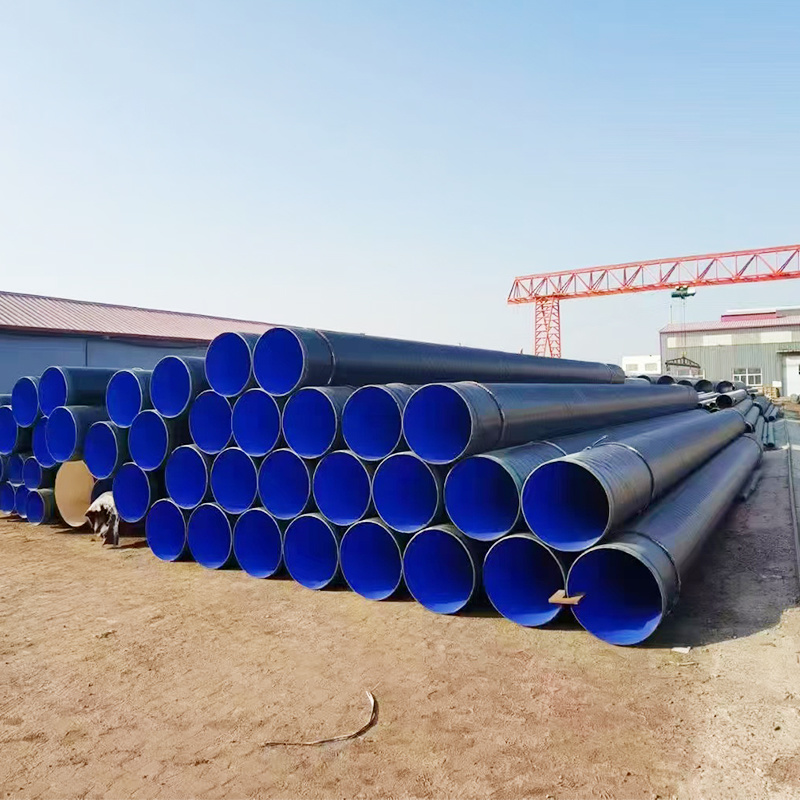
One of the primary benefits of insulated pipelines is their ability to enhance energy efficiency. By reducing heat loss during fluid transport, businesses can significantly lower their energy consumption, leading to cost savings and a smaller carbon footprint. For example, in steam systems, insulated pipelines can prevent heat loss that would otherwise require additional energy input to maintain temperature, which is crucial for processes that rely on consistent heat levels.
In addition to energy efficiency, insulated pipelines also contribute to safety and operational reliability. The insulation helps prevent condensation on the exterior of the pipes, which can lead to corrosion and structural damage over time. Moreover, insulated pipelines can maintain the thermal integrity of fluids, preventing potential hazards associated with temperature fluctuations. This is particularly relevant in industries that handle hazardous materials, where maintaining the right temperature is essential to ensure safe operation.
The construction of insulated pipelines typically involves several materials, including foam, fiberglass, or polyurethane, each chosen for its insulating properties and compatibility with the fluid being transported. The type of insulation selected depends on various factors, such as temperature ranges, environmental conditions, and specific industry requirements. Proper installation and maintenance of these pipelines are also crucial, as any damage to the insulation can compromise performance.
Moreover, insulated pipelines are designed to comply with various industry standards and regulations, ensuring that they meet essential safety and efficiency criteria. Regular inspections and maintenance are necessary to ensure the integrity of the insulation and the overall system, helping to prevent leaks and other operational issues.
In conclusion, insulated pipelines are an integral component in various industrial systems, providing benefits in energy efficiency, safety, and operational reliability. By understanding the importance and functionality of insulated pipelines, industries can optimize their processes, reduce operational costs, and contribute to sustainable practices. Whether you are involved in the design, installation, or maintenance of these systems, recognizing the value of insulated pipelines is vital for achieving efficiency and safety in fluid transportation.
Related Posts

Understanding Plastic-Coated Steel Pipes for Efficient Sewage Systems







Address
Wuliyao Industrial Zone, Yanshan County, Cangzhou City, Hebei Province, China