
Understanding Plastic-Coated Steel Pipes for Efficient Sewage Systems
Apr 17,2026

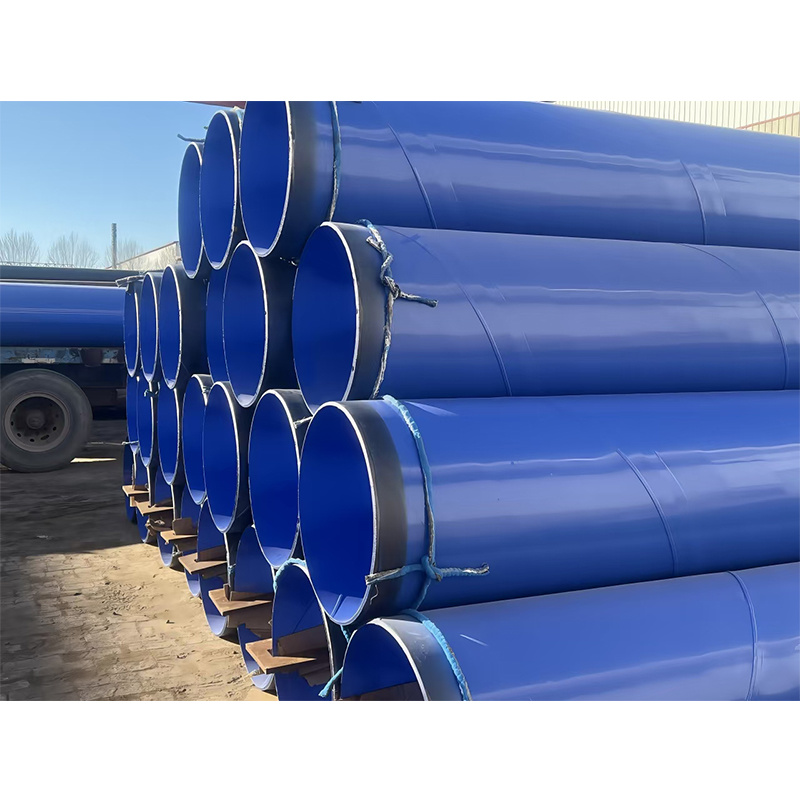
One of the primary advantages of using plastic-coated steel pipes in sewage systems is their enhanced durability. The plastic coating acts as a barrier against corrosion, which is a common problem in traditional steel pipes when exposed to moisture and aggressive chemicals found in wastewater. This protective layer not only prolongs the lifespan of the pipes but also reduces maintenance costs and the likelihood of leaks that can lead to environmental contamination.
In addition to their corrosion resistance, plastic-coated steel pipes boast a smooth inner surface that allows for efficient fluid flow. This characteristic is crucial in sewage systems where blockages can cause severe operational issues. The smoothness helps to minimize friction loss, ensuring that wastewater is transported effectively through the system. Consequently, these pipes contribute to the overall efficiency of sewage management, which is vital for urban infrastructure.
Moreover, plastic-coated steel pipes are versatile and can be used in various sewage applications, ranging from municipal waste management systems to industrial wastewater treatment facilities. Their ability to withstand harsh environmental conditions makes them suitable for underground installations, where they are often subjected to pressure and other external forces.
When considering the implementation of plastic-coated steel pipes in sewage systems, it is essential to evaluate the specific requirements of the project. Factors such as the expected flow rates, chemical exposure, and installation environment should be considered to ensure optimal performance. Additionally, while these pipes offer several benefits, proper installation techniques are crucial to maximizing their effectiveness. Working with experienced professionals can help in selecting the right materials and ensuring compliance with local building codes and regulations.
In conclusion, plastic-coated steel pipes provide a robust solution for sewage systems, combining strength, corrosion resistance, and efficiency. Their application in construction and infrastructure projects not only enhances the durability of sewage management systems but also contributes to better environmental protection. As the demand for reliable and sustainable building materials continues to grow, the role of plastic-coated steel pipes in sewage systems will likely become increasingly significant, paving the way for improved waste management practices.
TAG:
Previous:
Related Posts
Understanding Plastic-Coated Steel Pipes for Efficient Sewage Systems







Address
Wuliyao Industrial Zone, Yanshan County, Cangzhou City, Hebei Province, China