
Understanding Insulated Steel Pipes for Refrigeration Systems: A Comprehensive Guide
Apr 11,2026
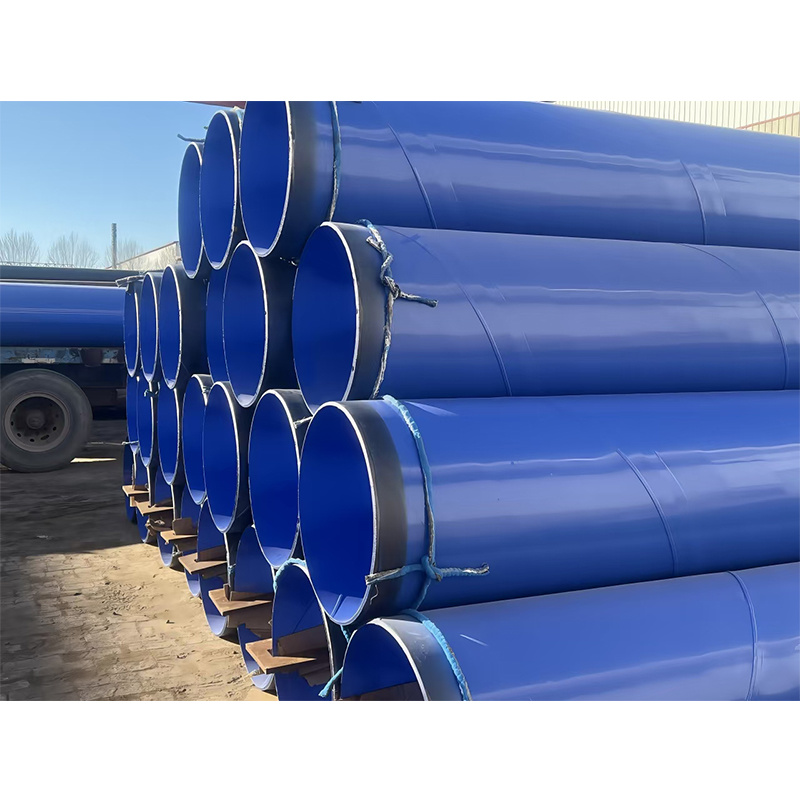
Insulated steel pipes play a crucial role in refrigeration systems, primarily used to transport refrigerants while maintaining their desired temperature. These pipes are designed to minimize energy loss and enhance the overall efficiency of cooling systems. By understanding the specifications, benefits, and applications of insulated steel pipes, professionals in the construction and decoration mat
Insulated steel pipes play a crucial role in refrigeration systems, primarily used to transport refrigerants while maintaining their desired temperature. These pipes are designed to minimize energy loss and enhance the overall efficiency of cooling systems. By understanding the specifications, benefits, and applications of insulated steel pipes, professionals in the construction and decoration materials industry can make informed decisions that contribute to the successful implementation of refrigeration systems.
One of the key benefits of insulated steel pipes is their ability to reduce heat transfer. These pipes are typically covered with a layer of insulation material that prevents heat from entering or escaping the system. Common insulation materials include polyurethane foam, fiberglass, and closed-cell polyethylene, each offering different thermal resistance properties. By minimizing heat transfer, insulated steel pipes help maintain the desired temperature of the refrigerant, which is critical for the efficiency of the refrigeration cycle.
Moreover, insulated steel pipes provide excellent structural integrity and durability, making them suitable for both indoor and outdoor applications. Steel is inherently strong and resistant to various environmental factors, including corrosion and mechanical stress. This durability ensures that the refrigeration system remains operational for an extended period, reducing maintenance costs and downtime.
When selecting insulated steel pipes for refrigeration systems, professionals should consider factors such as the pipe diameter, wall thickness, and insulation material type. The diameter and wall thickness will impact the flow rate and pressure drop of the refrigerant, while the choice of insulation material will affect the overall energy efficiency of the system. Furthermore, proper installation techniques are vital to ensure that the insulation remains intact and effective over time.
Another critical aspect to consider is compliance with industry standards and regulations. Insulated steel pipes must meet specific performance criteria outlined by organizations such as ASTM and ASHRAE. Adhering to these standards ensures that the piping system operates safely and effectively while fulfilling design requirements.
In summary, insulated steel pipes are integral components of refrigeration systems, offering numerous benefits that contribute to energy efficiency and system reliability. By understanding the importance of insulation, material selection, and compliance with industry standards, professionals in the construction and decoration materials sector can enhance system design and implementation. Investing in quality insulated steel pipes is a strategic decision that can lead to improved performance and reduced operational costs in refrigeration systems.
One of the key benefits of insulated steel pipes is their ability to reduce heat transfer. These pipes are typically covered with a layer of insulation material that prevents heat from entering or escaping the system. Common insulation materials include polyurethane foam, fiberglass, and closed-cell polyethylene, each offering different thermal resistance properties. By minimizing heat transfer, insulated steel pipes help maintain the desired temperature of the refrigerant, which is critical for the efficiency of the refrigeration cycle.
Moreover, insulated steel pipes provide excellent structural integrity and durability, making them suitable for both indoor and outdoor applications. Steel is inherently strong and resistant to various environmental factors, including corrosion and mechanical stress. This durability ensures that the refrigeration system remains operational for an extended period, reducing maintenance costs and downtime.
When selecting insulated steel pipes for refrigeration systems, professionals should consider factors such as the pipe diameter, wall thickness, and insulation material type. The diameter and wall thickness will impact the flow rate and pressure drop of the refrigerant, while the choice of insulation material will affect the overall energy efficiency of the system. Furthermore, proper installation techniques are vital to ensure that the insulation remains intact and effective over time.
Another critical aspect to consider is compliance with industry standards and regulations. Insulated steel pipes must meet specific performance criteria outlined by organizations such as ASTM and ASHRAE. Adhering to these standards ensures that the piping system operates safely and effectively while fulfilling design requirements.
In summary, insulated steel pipes are integral components of refrigeration systems, offering numerous benefits that contribute to energy efficiency and system reliability. By understanding the importance of insulation, material selection, and compliance with industry standards, professionals in the construction and decoration materials sector can enhance system design and implementation. Investing in quality insulated steel pipes is a strategic decision that can lead to improved performance and reduced operational costs in refrigeration systems.
TAG:
Related Posts
Understanding Plastic-Coated Steel Pipes for Efficient Sewage Systems
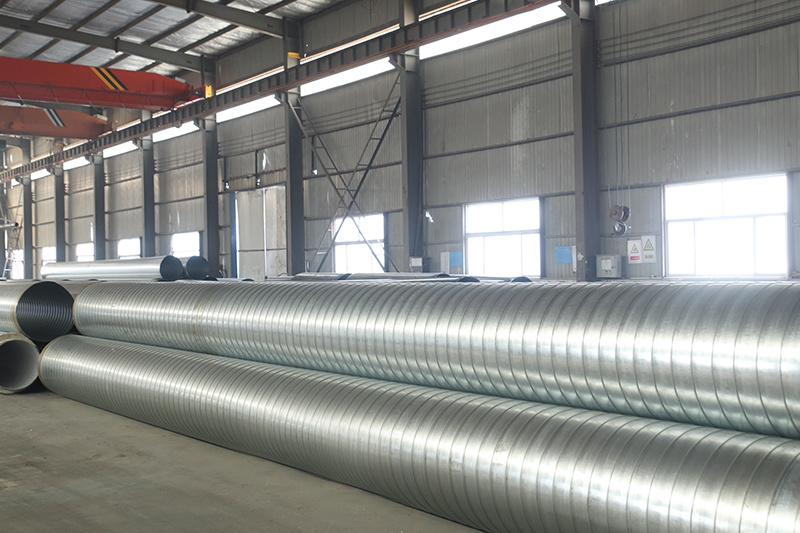
Plastic-coated steel pipes have gained significant attention in the construction industry, particularly in the context of sewage systems. These pipes combine the inherent strength of steel with the protective qualities of plastic, making them an excellent choice for various applications in building and decorating materials.
One of the primary advantages of using plastic-coated steel pipes in sewag