
Why Choose Coated Steel Pipes for Natural Gas Applications?
Mar 22,2025
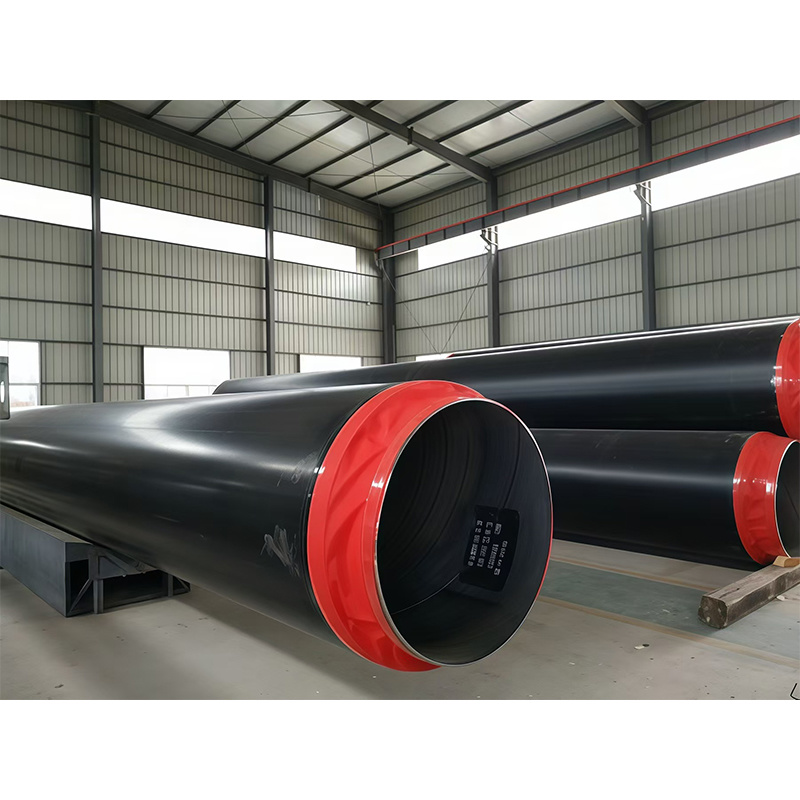
Why Choose Coated Steel Pipes for Natural Gas Applications?
Table of Contents
- 1. Introduction to Coated Steel Pipes
- 2. Benefits of Using Coated Steel Pipes
- 3. Durability and Longevity
- 4. Cost-Effectiveness of Coated Steel Pipes
- 5. Installation Advantages
- 6. Safety and Compliance Standards
- 7. Environmental Impact and Sustainability
- 8. Comparison with Other Pipe Materials
- 9. Frequently Asked Questions (FAQs)
- 10. Conclusion
1. Introduction to Coated Steel Pipes
Coated steel pipes play a crucial role in various industrial applications, especially in the transportation of natural gas. These pipes are designed to withstand extreme conditions while ensuring optimal flow and efficiency. The coating provides additional protection against corrosion, abrasion, and other environmental factors that could compromise the integrity of the pipes. Understanding their features and advantages is essential for anyone involved in the natural gas industry.
2. Benefits of Using Coated Steel Pipes
Coated steel pipes offer numerous benefits for natural gas applications. Here are some of the most significant advantages:
Corrosion Resistance
The primary benefit of coated steel pipes is their enhanced corrosion resistance. The coating acts as a barrier, preventing moisture and chemicals from coming into contact with the steel surface. This property extends the lifespan of the pipes, making them a preferred choice for environments prone to corrosion.
Mechanical Strength
Coated steel pipes retain the mechanical strength of traditional steel while benefiting from the protective qualities of the coating. This combination allows them to handle high-pressure applications without compromising safety.
Versatility
Coated steel pipes are suitable for various applications beyond natural gas. Their versatility makes them an ideal choice across different sectors, including oil, water, and chemical transport.
3. Durability and Longevity
Durability is a critical factor when selecting pipes for natural gas applications. Coated steel pipes excel in this regard:
Long-Lasting Performance
They offer a long service life, often exceeding two decades with proper maintenance. The coating acts as a shield against harsh environmental conditions, ensuring that the integrity of the steel remains intact.
Resistant to Impact and Wear
Coated steel pipes are engineered to withstand physical impacts and abrasive materials. This characteristic makes them a reliable option for demanding applications.
4. Cost-Effectiveness of Coated Steel Pipes
Investing in coated steel pipes is not just beneficial for performance; it also makes financial sense:
Reduced Maintenance Costs
Due to their corrosion resistance and durability, coated steel pipes require less frequent maintenance. This reduction in upkeep translates to lower long-term costs.
Lower Replacement Costs
With their extended lifespan, the need for replacements is significantly reduced, allowing companies to allocate resources elsewhere.
5. Installation Advantages
The installation process for coated steel pipes is straightforward, contributing to overall project efficiency:
Lightweight Design
Many coated steel pipes are lighter than traditional materials, making them easier to handle and install. This lightweight nature reduces labor costs and speeds up the installation process.
Flexibility in Design
Coated steel pipes can be fabricated in various sizes and shapes, allowing for custom solutions that meet specific project requirements.
6. Safety and Compliance Standards
Safety is paramount in natural gas applications, and coated steel pipes meet rigorous industry standards:
Adherence to Industry Standards
These pipes comply with international safety standards, ensuring that they can safely transport natural gas without risk of leaks or failures.
Fire Resistance
Coated steel pipes offer inherent fire resistance, providing an additional layer of safety in volatile environments.
7. Environmental Impact and Sustainability
Sustainability is becoming increasingly important in construction and industry:
Use of Eco-Friendly Materials
Many coatings used on steel pipes are made from eco-friendly materials, contributing to a lower environmental footprint.
Recyclability
At the end of their life cycle, coated steel pipes can be recycled, reducing waste and promoting resource sustainability.
8. Comparison with Other Pipe Materials
When selecting pipes for natural gas applications, it is essential to compare options:
Coated Steel vs. Plastic Pipes
While plastic pipes are lightweight and resistant to corrosion, they lack the mechanical strength and heat resistance of coated steel pipes.
Coated Steel vs. Copper Pipes
Copper pipes offer excellent corrosion resistance but are significantly more expensive and less durable in high-pressure applications than coated steel.
9. Frequently Asked Questions (FAQs)
What are the primary uses of coated steel pipes?
Coated steel pipes are primarily used for transporting natural gas but are also suitable for oil, water, and chemical transport.
How do coated steel pipes resist corrosion?
The protective coating forms a barrier between the steel and the environment, preventing moisture and corrosive substances from causing damage.
What is the lifespan of coated steel pipes?
With proper maintenance, coated steel pipes can last over 20 years, significantly reducing replacement frequency.
Are there specific standards that coated steel pipes must meet?
Yes, coated steel pipes must comply with various industry standards, ensuring safety and reliability in natural gas applications.
Can coated steel pipes be recycled?
Absolutely! Coated steel pipes are recyclable, making them a sustainable choice for environmentally-conscious projects.
10. Conclusion
Choosing coated steel pipes for natural gas applications is a decision rooted in durability, safety, cost-effectiveness, and environmental sustainability. Their superior corrosion resistance and mechanical strength make them ideal for harsh conditions, while their compliance with safety standards ensures peace of mind for operators and stakeholders. As the industry evolves, opting for coated steel pipes not only enhances operational efficiency but also contributes to a more sustainable future. By understanding the benefits and features outlined in this guide, you can make informed decisions that align with both performance needs and environmental considerations.
Related Posts

Understanding Plastic-Coated Steel Pipes for Efficient Sewage Systems







Address
Wuliyao Industrial Zone, Yanshan County, Cangzhou City, Hebei Province, China