
Navigating the Standards of API 5L 3PE Coated Pipes for Compliance
Apr 07,2025
Navigating the Standards of API 5L 3PE Coated Pipes for Compliance
Table of Contents
- Introduction to API 5L 3PE Coated Pipes
- Understanding API 5L Standards
- Benefits of 3PE Coating in Steel Pipes
- Compliance Requirements for API 5L 3PE Coated Pipes
- Installation and Maintenance Best Practices
- Applications of API 5L 3PE Coated Pipes in Construction
- Future Trends in API 5L Coated Pipes
- Frequently Asked Questions
- Conclusion
Introduction to API 5L 3PE Coated Pipes
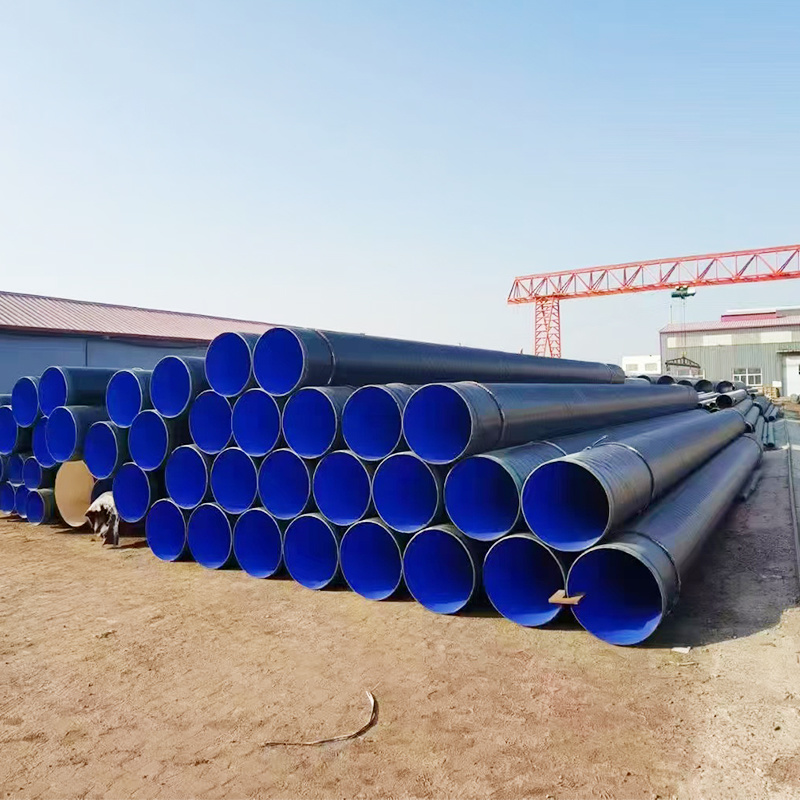
API 5L 3PE coated pipes are essential components in various construction and infrastructure projects. These pipes are manufactured according to the stringent standards outlined by the American Petroleum Institute (API), ensuring their reliability and safety in transporting fluids and gases. The "3PE" in the name refers to a tri-layer polyethylene coating, which offers enhanced protection against corrosion, making these pipes ideal for use in challenging environments.
In this article, we will delve deeply into the standards governing API 5L 3PE coated pipes, their benefits, compliance requirements, and best practices for installation and maintenance. Understanding these aspects is crucial for industry professionals to ensure quality, safety, and regulatory compliance in their projects.
Understanding API 5L Standards
The API 5L standard is a specification developed by the American Petroleum Institute that provides guidelines for the manufacturing of line pipes used in the transportation of oil, gas, and water. The standard covers various grades and types of steel, ensuring that the pipes meet specific mechanical and metallurgical properties.
Grades of API 5L Pipes
API 5L pipes are classified into different grades based on their strength and application. The most common grades include:
- **Grade B**: Suitable for low-pressure applications.
- **Grade X42/X52/X60/X70**: Higher strength grades used for high-pressure applications.
Each grade has specific requirements regarding yield strength, tensile strength, and chemical composition, which must be met to ensure safe and effective performance in real-world conditions.
API 5L and 3PE Coating Standards
The addition of a 3PE coating significantly enhances the durability and functionality of API 5L pipes. The three layers consist of:
1. **Epoxy Primer Layer**: Provides excellent adhesion to the steel surface.
2. **Polyethylene Layer**: Acts as a barrier against moisture and corrosive substances.
3. **Outer Polyethylene Layer**: Offers additional mechanical protection and UV resistance.
The API 5L standard ensures that the coating process follows strict guidelines to achieve the desired performance characteristics, ensuring that the coated pipes are suitable for long-term use in diverse environments.
Benefits of 3PE Coating in Steel Pipes
The 3PE coating is renowned for its numerous advantages, making it a preferred choice in the industry. Here are some key benefits:
Corrosion Resistance
Corrosion is one of the most significant threats to the integrity of steel pipes. The 3PE coating provides a robust barrier against moisture, chemicals, and other corrosive elements, extending the lifespan of the pipes considerably.
Enhanced Mechanical Protection
The three-layer structure of the 3PE coating provides exceptional mechanical strength. This durability helps protect the pipes during transportation, installation, and throughout their service life.
Cost-Effectiveness
By reducing the risk of corrosion and damage, the use of 3PE coated pipes can lead to lower maintenance costs and longer service intervals. This cost-effectiveness is particularly beneficial for large-scale projects.
Improved Insulation Properties
The 3PE coating offers excellent thermal insulation, which can be beneficial in applications where temperature control is crucial.
Compliance Requirements for API 5L 3PE Coated Pipes
Compliance with API 5L standards is vital for ensuring that the pipes are safe and effective for their intended use. Here are the key compliance requirements for API 5L 3PE coated pipes:
Quality Assurance and Testing
Manufacturers must implement rigorous quality control measures, including non-destructive testing (NDT) and physical inspections. Tests may include:
- **Ultrasonic Testing**: To detect internal defects.
- **Magnetic Particle Inspection**: For surface defects.
- **Hydrostatic Testing**: To ensure that the pipes can withstand pressure without leaking.
Documentation and Certification
Manufacturers must provide comprehensive documentation proving compliance with API 5L standards. This includes test reports, certificates of conformance, and material safety data sheets (MSDS).
Regular Audits and Inspections
Regular audits by external bodies ensure ongoing compliance with the API 5L standards. These inspections help maintain product quality and adherence to regulatory requirements.
Installation and Maintenance Best Practices
Proper installation and maintenance are crucial to maximizing the performance and lifespan of API 5L 3PE coated pipes.
Installation Guidelines
- **Site Preparation**: Ensure the installation site is clean and free from debris.
- **Handling**: Use proper techniques to handle the pipes to avoid damaging the coating.
- **Joining Methods**: Follow the recommended welding and joining methods provided in the API 5L standards to maintain the integrity of the coating.
Maintenance Recommendations
- **Regular Inspections**: Conduct periodic inspections to identify any signs of damage or corrosion.
- **Cleaning**: Keep the coated pipes clean to prevent buildup of corrosive materials.
- **Repair Protocols**: Develop a repair strategy for any damaged areas to prevent corrosion from spreading.
Applications of API 5L 3PE Coated Pipes in Construction
API 5L 3PE coated pipes find applications in various sectors, including:
Oil and Gas Industry
These pipes are widely used in the oil and gas industry for transporting crude oil, natural gas, and refined products. Their resistance to corrosion and mechanical damage makes them suitable for harsh environments.
Water Transmission
In water supply systems, API 5L 3PE coated pipes are preferred for their durability and ability to withstand pressure, ensuring safe and reliable water transport.
Sewage and Waste Management
These pipes are also utilized in sewage systems due to their resistance to corrosion and chemicals present in waste materials.
Future Trends in API 5L Coated Pipes
As industries continue to evolve, the standards and technologies surrounding API 5L 3PE coated pipes are also advancing. Here are some future trends to watch:
Innovative Coating Technologies
Research into new coating materials and techniques promises to enhance the protective qualities of API 5L pipes, potentially leading to even greater resistance to corrosion and wear.
Sustainability Initiatives
With an increasing focus on sustainability, future developments may involve the use of eco-friendly materials and manufacturing processes in the production of coated pipes.
Integration of Smart Technologies
The incorporation of smart technologies, such as sensors for real-time monitoring of pipe conditions, may become standard practice, allowing for proactive maintenance and enhanced safety.
Frequently Asked Questions
What is the lifespan of API 5L 3PE coated pipes?
The lifespan of these pipes can exceed 30 years with proper installation and maintenance, making them a long-term solution for various applications.
Can API 5L 3PE coated pipes be used for underground installations?
Yes, they are suitable for underground installations, provided they are installed according to the specified guidelines to ensure optimal performance.
How do I select the right grade of API 5L pipe for my project?
Selecting the right grade depends on the specific application, pressure requirements, and environmental conditions. Consulting with a qualified engineer is advisable.
Are there any special welding considerations for API 5L 3PE coated pipes?
Yes, specific welding procedures must be followed to avoid damaging the coating and ensure a strong joint. It is crucial to use techniques recommended in the API 5L standards.
What are the main competitors to API 5L 3PE coated pipes?
Competitors include pipes coated with other materials, such as fusion-bonded epoxy (FBE) and cement mortar, which may offer different advantages in specific applications.
Conclusion
Navigating the standards of API 5L 3PE coated pipes is essential for professionals in the construction and material supply industries. By understanding the specifications, benefits, compliance requirements, and best practices, we can ensure the successful implementation of these pipes in various applications. As technology and industry standards evolve, staying informed will help us leverage the advantages of API 5L 3PE coated pipes for a safer and more efficient future in infrastructure development.
TAG:
Related Posts

Understanding Plastic-Coated Steel Pipes for Efficient Sewage Systems







Address
Wuliyao Industrial Zone, Yanshan County, Cangzhou City, Hebei Province, China