
Why 3PE Epoxy Coated Steel Pipes Are Essential in Modern Construction
Apr 09,2025
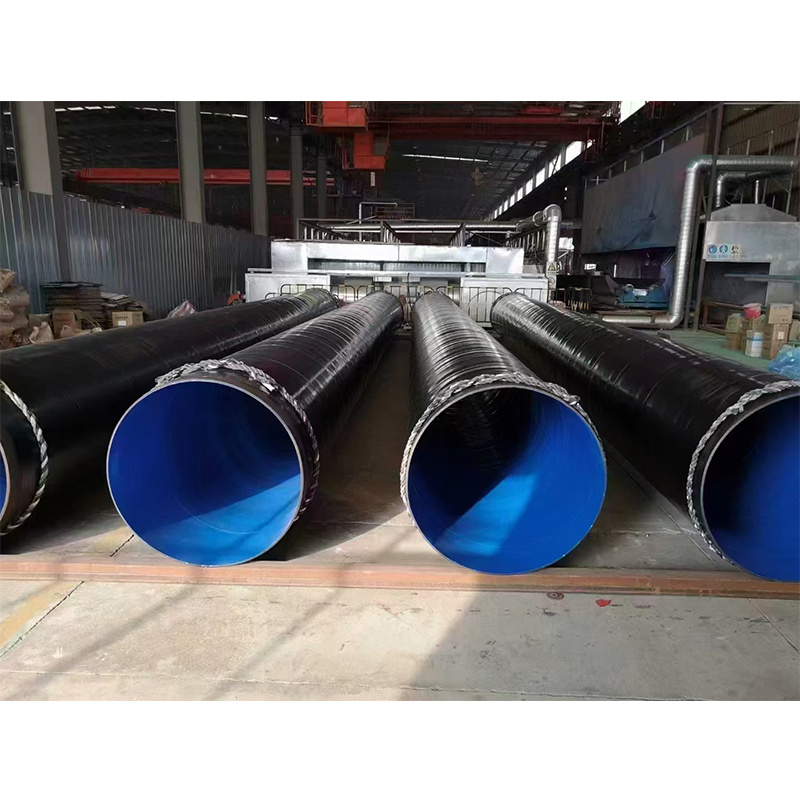
Why 3PE Epoxy Coated Steel Pipes Are Essential in Modern Construction
Table of Contents
- Introduction to 3PE Epoxy Coated Steel Pipes
- What is 3PE Coating?
- Benefits of 3PE Epoxy Coated Steel Pipes
- Applications in the Construction Industry
- Installation and Maintenance Considerations
- Environmental Impact of 3PE Coated Pipes
- Future Trends in Steel Pipe Coating
- Frequently Asked Questions
- Conclusion
Introduction to 3PE Epoxy Coated Steel Pipes
In the evolving landscape of construction, the materials used play a pivotal role in determining the longevity and sustainability of structures. Among various materials, **3PE epoxy coated steel pipes** stand out due to their remarkable properties and versatility. These pipes are commonly employed in diverse applications, from water supply systems to industrial projects. Their unique coating not only enhances their performance but also ensures that they meet the demanding standards of modern construction.
What is 3PE Coating?
3PE stands for **Three-Layer Polyethylene**, a coating system that consists of three distinct layers:
1. **Fusion Bonded Epoxy (FBE)** - The first layer provides robust corrosion resistance.
2. **Tie Layer** - The second layer acts as a bonding agent, ensuring that the subsequent polyethylene layer adheres firmly to the epoxy.
3. **Polyethylene (PE)** - The outermost layer provides additional protection against mechanical damage and environmental factors.
This multi-layered approach not only offers superior defense against rust and corrosion but also maintains the integrity of the steel pipe in harsh conditions.
Benefits of 3PE Epoxy Coated Steel Pipes
The adoption of 3PE epoxy coated steel pipes in construction is underpinned by various advantages that make them essential compared to traditional materials.
Corrosion Resistance
One of the foremost benefits of 3PE epoxy coatings is their **exceptional corrosion resistance**. Steel pipes are inherently susceptible to rust, especially when exposed to moisture. The FBE layer creates a barrier that prevents water and other corrosive agents from reaching the steel surface. This protection is crucial for applications concerning water transport, where the integrity of the pipes is vital for public health and safety.
Enhanced Durability
3PE coated pipes are not only resistant to corrosion but also exhibit **enhanced durability** against physical impacts. The polyethylene layer shields the underlying steel from mechanical wear and tear, making these pipes suitable for demanding environments, including construction sites and industrial settings. This durability translates to a longer lifespan and lower replacement costs over time.
Cost-Effectiveness
While the initial investment in 3PE epoxy coated steel pipes may be higher than other materials, the **long-term cost-effectiveness** cannot be overstated. Their resistance to corrosion and damage significantly reduces maintenance and replacement expenses. Moreover, the longevity of these pipes contributes to overall project savings, making them a smart choice for budget-conscious builders.
Applications in the Construction Industry
The versatility of 3PE epoxy coated steel pipes makes them ideal for a variety of applications within the construction sector.
1. **Water Supply Systems**: These pipes are extensively used in municipal and industrial water supply systems due to their corrosion resistance and reliability.
2. **Gas Distribution**: The strength of steel combined with the protective coating makes them suitable for natural gas and other gas distribution systems.
3. **Sewage and Drainage**: Their durability and resistance to harsh chemicals make them a preferred choice for sewage and drainage applications.
4. **Industrial Applications**: Many manufacturing and processing industries rely on 3PE coated pipes for transporting chemicals and other hazardous materials.
Installation and Maintenance Considerations
When it comes to installation, the procedures for 3PE epoxy coated steel pipes are similar to those for standard steel pipes. However, certain considerations must be taken into account to maintain the integrity of the coating:
1. **Handling**: Care should be taken during transportation and installation to prevent damage to the coating.
2. **Inspection**: Regular inspections should be carried out to identify any potential damage. Repairing minor issues promptly can extend the life of the pipes significantly.
3. **Jointing Techniques**: Proper jointing techniques are essential to ensure that the integrity of the coating is maintained and to prevent leaks.
Environmental Impact of 3PE Coated Pipes
The construction industry today is increasingly focused on sustainability. 3PE epoxy coated steel pipes contribute positively to environmental goals in several ways:
- **Reduced Leakage**: Their robust design minimizes leakage risks, protecting water resources and reducing environmental contamination.
- **Longevity**: The extended lifespan of 3PE coated pipes reduces the frequency of replacements, leading to lower material waste.
- **Recyclability**: Steel is inherently recyclable, making it an eco-friendly choice for construction materials.
Future Trends in Steel Pipe Coating
As technology continues to advance, the future of steel pipe coatings looks promising. Innovations in coating materials and techniques aim to enhance the protective qualities of coatings. Additionally, the growing emphasis on sustainability is likely to drive the development of eco-friendly coating alternatives that further reduce environmental impacts while maintaining performance standards.
Frequently Asked Questions
1. What are the main advantages of using 3PE epoxy coated steel pipes?
The main advantages include corrosion resistance, enhanced durability, and cost-effectiveness over time.
2. In which applications are 3PE coated pipes most commonly used?
They are commonly used in water supply systems, gas distribution, sewage and drainage applications, and various industrial applications.
3. How do 3PE coatings compare to other types of pipe coatings?
3PE coatings offer superior corrosion resistance and durability compared to many other coatings, making them a preferred choice in challenging environments.
4. Are 3PE coated steel pipes environmentally friendly?
Yes, they contribute to environmental sustainability by reducing leakage, extending lifespan, and being recyclable.
5. What maintenance is required for 3PE epoxy coated steel pipes?
Regular inspections and careful handling during installation are essential to maintain the integrity of the coating and prevent damage.
Conclusion
In conclusion, 3PE epoxy coated steel pipes have become an indispensable component in modern construction. Their **superior corrosion resistance**, **enhanced durability**, and **cost-effectiveness** make them essential for a variety of applications. As the construction industry progresses toward more sustainable practices, the adoption of these innovative materials will likely continue to grow, ensuring that structures remain resilient, efficient, and environmentally friendly. Investing in 3PE coated pipes is not just a choice for quality; it's a commitment to building a sustainable future.
Related Posts

Understanding Plastic-Coated Steel Pipes for Efficient Sewage Systems







Address
Wuliyao Industrial Zone, Yanshan County, Cangzhou City, Hebei Province, China