
Essential Safety Measures When Working with Industrial Painted Steel Pipe
Apr 11,2025
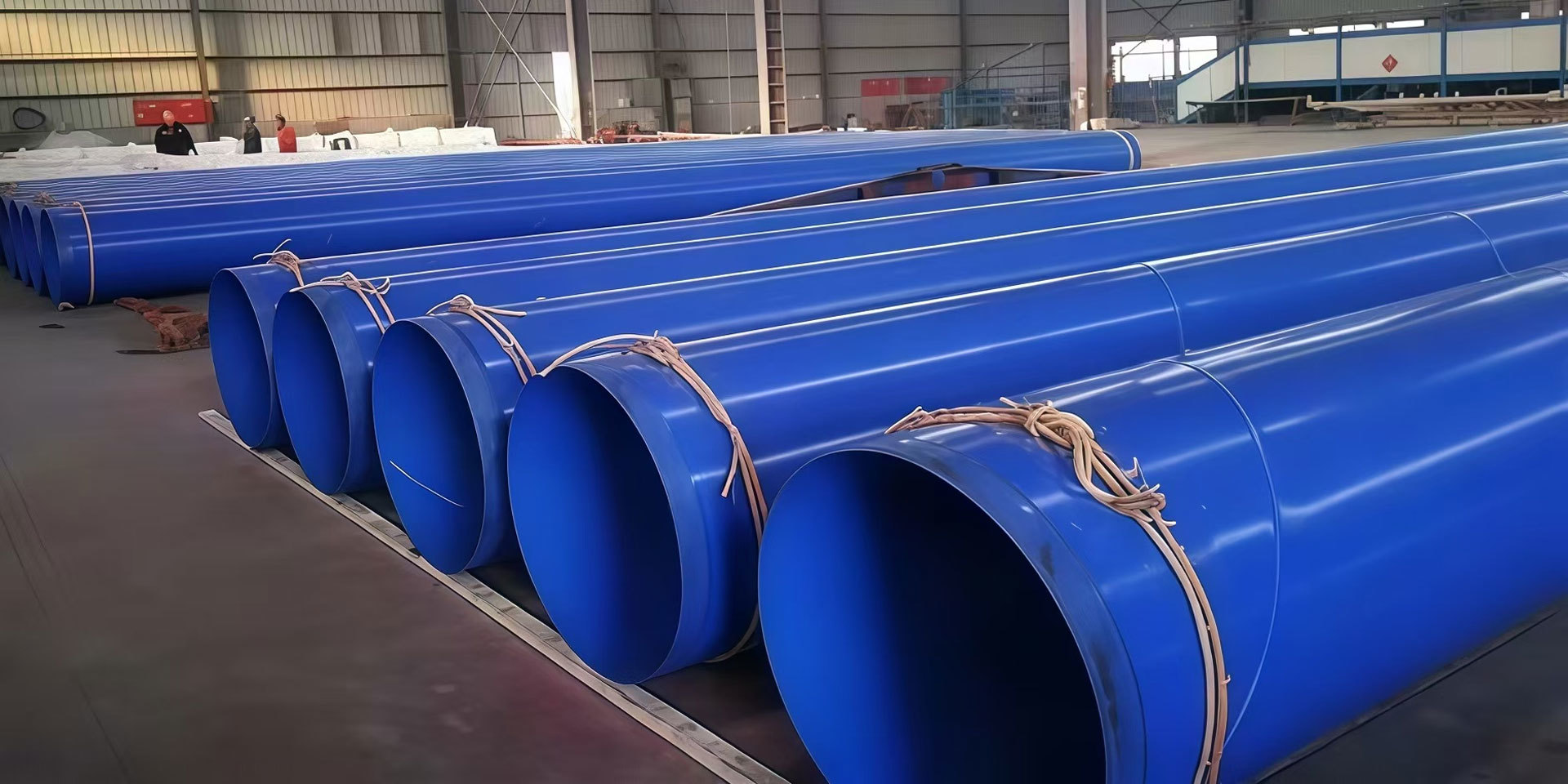
Essential Safety Measures When Working with Industrial Painted Steel Pipe
Working with industrial painted steel pipes requires a keen focus on safety and risk management. The heavy-duty nature of these materials poses unique challenges that can lead to accidents if not managed correctly. This article delves into a series of essential safety measures and best practices tailored to protect workers in this sector.
Understanding the Risks Associated with Industrial Painted Steel Pipe
To effectively mitigate risks, it is crucial to understand the potential dangers associated with industrial painted steel pipes. These can include:
1. Physical Hazards
Heavy pipes can cause physical injuries, including crushing, cuts, or falls. A comprehensive assessment of the workspace is necessary to identify and minimize these hazards.
2. Chemical Hazards
Painted steel pipes may be coated with materials that release harmful fumes during cutting or welding. Understanding these chemicals is vital in assessing exposure risks.
3. Ergonomic Risks
The manual handling of heavy pipes can lead to musculoskeletal injuries. Implementing ergonomic practices can help reduce these risks.
Personal Protective Equipment (PPE): A Must-Have in Pipe Handling
The proper use of Personal Protective Equipment (PPE) is essential in safeguarding workers. Here are the critical components of PPE when working with industrial painted steel pipes:
1. Safety Helmets
To protect against head injuries from falling objects, wearing a safety helmet is crucial.
2. Eye Protection
Safety goggles or glasses should be worn to protect the eyes from flying debris and chemical exposure.
3. Respiratory Protection
Depending on the materials used in the pipes' coatings, respiratory masks may be necessary to prevent inhalation of harmful vapors.
4. Gloves and Hand Protection
Heavy-duty gloves are essential for protecting against cuts and abrasions when handling pipes.
5. Steel-Toed Boots
Wearing steel-toed boots reduces the risk of foot injuries from heavy materials.
Implementing Safety Protocols for Handling Steel Pipes
Establishing clear safety protocols is vital in creating a secure working environment. Here are recommended steps to take:
1. Comprehensive Training Programs
Training workers on the hazards of handling painted steel pipes can significantly reduce accidents. Programs should cover proper lifting techniques, emergency procedures, and equipment operation.
2. Regular Safety Audits
Conducting regular safety audits helps identify potential hazards and ensures compliance with safety regulations.
3. Clear Communication
Establishing a culture of open communication allows workers to report hazards without fear, enabling a proactive approach to safety.
4. Emergency Response Plans
Developing and practicing emergency response plans ensures that workers know how to react in case of an accident or exposure.
Best Practices for Handling Industrial Painted Steel Pipe
Following best practices can further reduce the likelihood of accidents. Here are key recommendations:
1. Use Proper Lifting Techniques
Teach workers to use their legs rather than their backs when lifting heavy objects, and utilize mechanical aids whenever possible.
2. Maintain Clean Workspaces
Keeping work areas free of clutter minimizes tripping hazards and facilitates safe movement around heavy equipment.
3. Labeling and Signage
Clearly label hazardous areas and use signage to remind workers of safety protocols.
4. Regular Equipment Inspection
Inspect lifting equipment and PPE regularly to ensure they are in proper working order.
Handling Chemical Hazards in Painted Steel Pipes
When working with painted steel pipes, it is essential to consider the health risks posed by chemical exposure. Here, we outline strategies to manage these hazards:
1. Material Safety Data Sheets (MSDS)
Ensure that all workers have access to and understand the MSDS for any materials they handle. This document provides essential information on the properties of chemicals and safety measures.
2. Ventilation
Workspaces should be adequately ventilated to minimize the accumulation of harmful fumes during cutting or welding of pipes.
3. Spill Management
Establish procedures for managing spills to minimize exposure to toxic substances. This includes appropriate containment, clean-up, and reporting protocols.
Training and Continuous Improvement in Safety Practices
Safety is not a one-time effort but a continuous process. Here’s how to foster a culture of safety:
1. Regular Refresher Courses
Provide ongoing training sessions to reinforce safety measures and update workers on new practices and regulations.
2. Encourage Feedback
Create channels for workers to provide feedback on safety practices and suggest improvements.
3. Celebrate Safety Achievements
Recognizing teams or individuals for their commitment to safety can boost morale and encourage ongoing vigilance.
Frequently Asked Questions (FAQs)
1. What are the primary dangers of working with industrial painted steel pipes?
The primary dangers include physical injuries from heavy lifting, chemical exposure from paint and coatings, and ergonomic risks associated with manual handling.
2. Why is PPE essential when working with steel pipes?
PPE is essential because it protects workers from injuries, chemical exposure, and respiratory hazards that can arise during handling.
3. How can companies ensure compliance with safety regulations?
Companies can ensure compliance by conducting regular safety audits, providing training programs, and adhering to local and national safety regulations.
4. What training should workers receive for safe handling of steel pipes?
Workers should receive training on lifting techniques, emergency response, chemical hazards, and the correct use of PPE.
5. How often should safety equipment be inspected?
Safety equipment should be inspected regularly, ideally at least once a month, or more frequently based on usage.
Conclusion
In conclusion, working with industrial painted steel pipes presents various challenges that necessitate a proactive approach to safety. By implementing comprehensive safety measures, using appropriate PPE, and fostering a culture of continuous improvement, we can significantly mitigate risks and protect the well-being of all workers involved. Prioritizing safety not only enhances productivity but also cultivates a safe working environment that values employee health and safety above all.
TAG:
Related Posts

Understanding Plastic-Coated Steel Pipes for Efficient Sewage Systems







Address
Wuliyao Industrial Zone, Yanshan County, Cangzhou City, Hebei Province, China