
Maximizing Efficiency: The Role of Chinese Insulated Pipes in District Heating Systems
Apr 17,2025
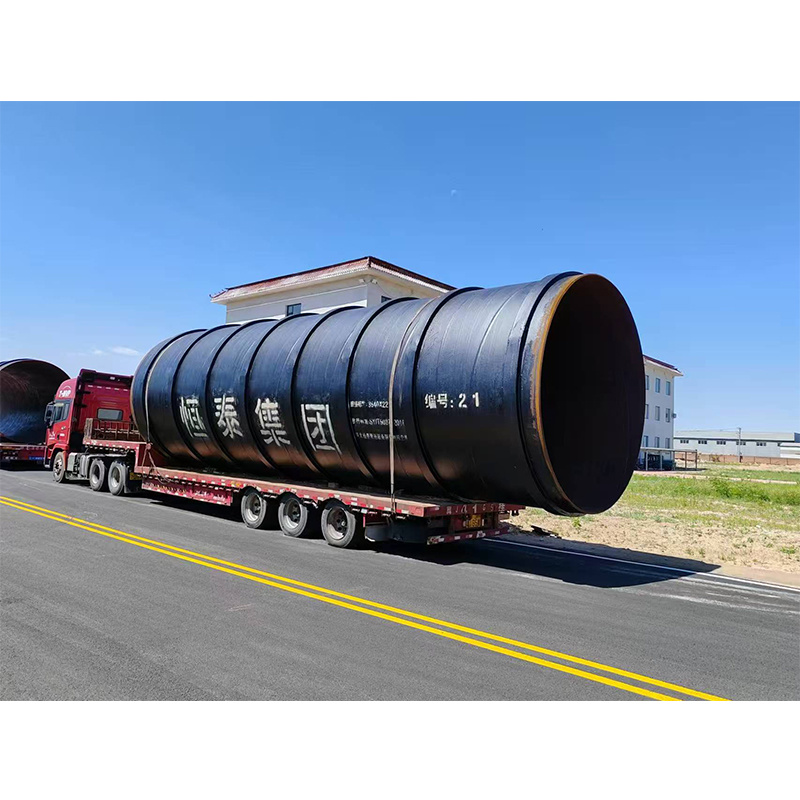
Maximizing Efficiency: The Role of Chinese Insulated Pipes in District Heating Systems
Table of Contents
- 1. Introduction to District Heating Systems
- 2. Understanding Insulated Pipes
- 3. Importance of Insulated Pipes in District Heating
- 4. Efficiency Benefits of Using Chinese Insulated Pipes
- 5. Installation Techniques for Insulated Pipes
- 6. Future Trends in Insulated Pipe Technology
- 7. Frequently Asked Questions (FAQs)
- 8. Conclusion
1. Introduction to District Heating Systems
District heating systems are centralized networks designed to deliver heating through hot water or steam. These systems offer an efficient method for providing heat to residential and commercial buildings. As urban areas expand and climate concerns rise, the significance of efficient energy distribution methods becomes increasingly paramount. The integration of **insulated pipes**, especially those manufactured in China, plays a crucial role in enhancing the effectiveness of these systems.
2. Understanding Insulated Pipes
2.1 Definition and Components of Insulated Pipes
Insulated pipes consist of a carrier pipe, often made of steel, surrounded by an insulation layer to minimize heat loss during transportation. This structure is then encased in an outer protective layer, safeguarding against environmental factors.
2.2 Materials Used in Chinese Insulated Pipes
Chinese manufacturers utilize high-quality materials such as polyethylene and polyurethane for insulation, ensuring durability and thermal efficiency. These materials are lightweight yet robust, making them ideal for various geographical conditions.
3. Importance of Insulated Pipes in District Heating
The role of insulated pipes in district heating systems cannot be overstated. They ensure that heat generated from a central plant reaches end-users with minimal energy loss. This efficiency is crucial in reducing operational costs and improving the overall effectiveness of the heating system.
4. Efficiency Benefits of Using Chinese Insulated Pipes
4.1 Energy Savings
By reducing heat loss during transportation, insulated pipes lead to significant energy savings. According to studies, energy losses can be decreased by up to 90% when using high-quality insulated piping systems. This has a direct impact on the overall energy consumption of a district heating system.
4.2 Cost-Effectiveness
The initial investment in insulated pipes may be higher than traditional piping, but the long-term savings in energy costs and reduced maintenance expenses make them a wise choice. Over time, these systems prove to be more economical, promoting better budget management for municipalities and companies alike.
4.3 Environmental Impact
The use of insulated pipes contributes to a **lower carbon footprint**. By maximizing energy efficiency, these systems reduce the amount of fossil fuels burned for heating, thereby decreasing greenhouse gas emissions. This aligns with global sustainability goals and enhances the environmental credentials of cities implementing such systems.
5. Installation Techniques for Insulated Pipes
5.1 Pre-Installation Considerations
Before installation, it is essential to assess the heating demands of the area, the layout of existing infrastructure, and the local environmental conditions. Proper planning is crucial for ensuring optimal performance of the district heating system.
5.2 Step-by-Step Installation Process
1. **Site Preparation:** Clear the installation site and prepare trenches for laying pipes.
2. **Pipe Layout:** Position the insulated pipes according to the design specifications.
3. **Connection:** Ensure secure connections between pipes and heat sources to prevent leaks.
4. **Backfilling:** Once pipes are laid, fill the trenches carefully, ensuring no damage occurs to the insulation.
5. **Testing:** Conduct thorough testing of the system for leaks or issues before it becomes operational.
6. Future Trends in Insulated Pipe Technology
The future of insulated pipes in district heating systems looks promising. Innovations such as smart sensors for monitoring heat loss and advancements in insulating materials will enhance efficiency. Furthermore, as renewable energy sources become more prevalent, the adaptability of insulated pipes to integrate with these systems will be vital in achieving sustainable heating solutions.
7. Frequently Asked Questions (FAQs)
What are insulated pipes used for?
Insulated pipes are primarily used in district heating systems to transport hot water or steam efficiently, minimizing heat loss during transit.
How do insulated pipes improve energy efficiency?
By reducing heat loss, insulated pipes ensure that more energy reaches the end-users, leading to lower energy consumption and costs.
What materials are commonly used in insulated pipes?
The most common materials include steel for the carrier pipe and various insulating materials such as polyurethane and polyethylene.
Are insulated pipes cost-effective?
Yes, while they may have a higher initial cost, the long-term savings in energy and maintenance lead to greater cost-effectiveness.
What are the environmental benefits of using insulated pipes?
Insulated pipes help reduce greenhouse gas emissions by promoting energy-efficient heating solutions, contributing to a smaller carbon footprint.
8. Conclusion
In summary, **Chinese insulated pipes** play a pivotal role in maximizing the efficiency of district heating systems. By minimizing heat loss, they offer substantial energy savings, cost-effectiveness, and environmental benefits. As technology advances, the future of insulated piping looks bright, making it an essential component in modern heating infrastructure. Embracing these solutions will not only enhance energy efficiency but also contribute to a more sustainable future.
Previous
Related Posts

Understanding Plastic-Coated Steel Pipes for Efficient Sewage Systems







Address
Wuliyao Industrial Zone, Yanshan County, Cangzhou City, Hebei Province, China