
Why Choose Insulated Steel Pipes for Your Cold Water Systems? A Comprehensive Guide
Apr 21,2025

Why Choose Insulated Steel Pipes for Your Cold Water Systems?
Table of Contents
- 1. Introduction to Insulated Steel Pipes
- 2. Benefits of Using Insulated Steel Pipes
- 2.1 Thermal Efficiency
- 2.2 Condensation Prevention
- 2.3 Durability and Longevity
- 2.4 Cost-Effectiveness
- 3. Types of Insulated Steel Pipes
- 4. Installation of Insulated Steel Pipes
- 5. Maintenance Tips for Insulated Steel Pipes
- 6. Common Issues and Solutions
- 7. Conclusion
- 8. Frequently Asked Questions
1. Introduction to Insulated Steel Pipes
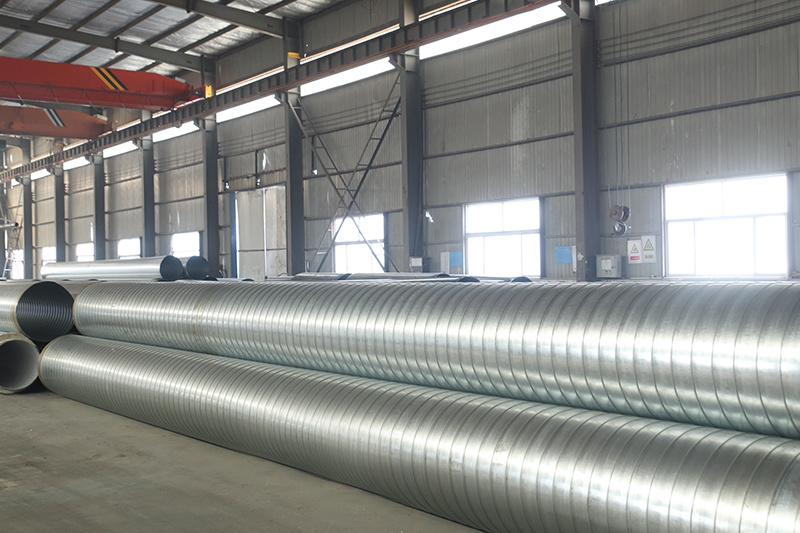
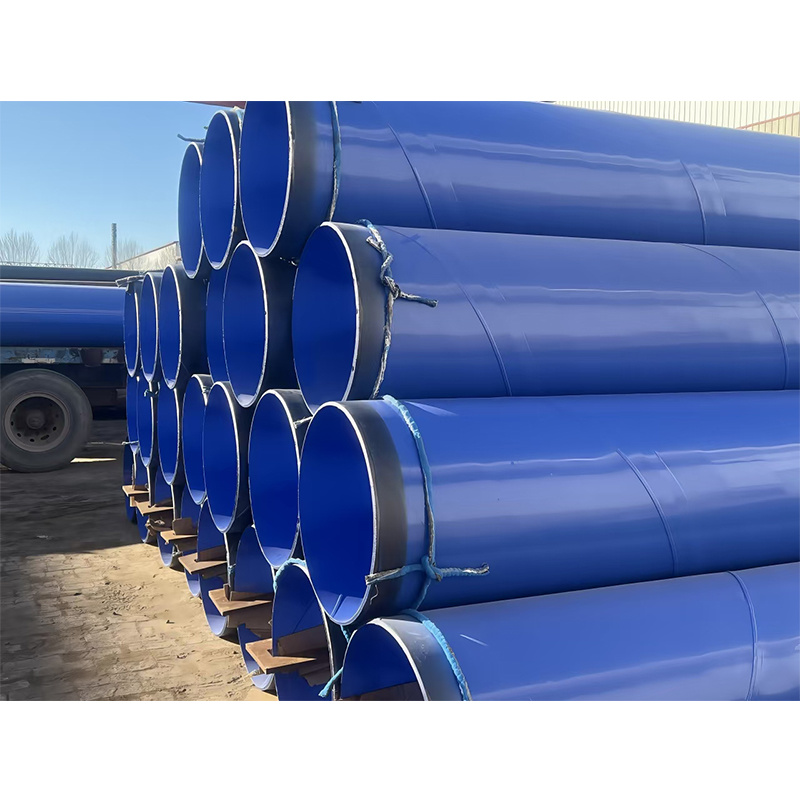
In the realm of plumbing and mechanical systems, **insulated steel pipes** are often viewed as a premium choice for cold water systems. These pipes combine the **strength of steel** with **insulating materials** that mitigate temperature fluctuations. This ensures that water remains cold and is delivered efficiently throughout a building, making them an excellent investment for residential, commercial, and industrial applications.
2. Benefits of Using Insulated Steel Pipes
When considering materials for cold water systems, it’s essential to evaluate how insulated steel pipes outperform traditional options. Below, we explore the primary benefits of these pipes in detail.
2.1 Thermal Efficiency
Insulated steel pipes offer extraordinary **thermal efficiency**. The insulation layer significantly reduces heat transfer, which is critical for maintaining cold water temperatures. This feature is especially beneficial in regions with extreme temperatures, preventing the water from warming up as it travels through the system. In fact, studies show that insulated piping can maintain temperature integrity up to 50% better than uninsulated alternatives.
2.2 Condensation Prevention
One of the most significant issues in cold water systems is condensation, which can lead to water damage, mold growth, and other problems. Insulated steel pipes effectively prevent condensation by keeping cold surfaces insulated from warm, humid air. This helps maintain a dry environment and protects surrounding structures from moisture-related issues.
2.3 Durability and Longevity
Steel is renowned for its strength and longevity. When insulated, these pipes not only resist corrosion better than standard materials but also withstand physical impacts. As a result, insulated steel pipes often last **25 years or more** with proper maintenance. This durability translates into fewer replacements and repairs, making them a wise choice for any long-term plumbing project.
2.4 Cost-Effectiveness
While the initial investment in insulated steel pipes may be higher than other materials, the long-term savings on energy bills and maintenance costs make them a cost-effective solution. By reducing energy loss through thermal efficiency and lowering the chances of water damage, these pipes can save homeowners and businesses significant amounts over time.
3. Types of Insulated Steel Pipes
When selecting insulated steel pipes for cold water systems, it’s crucial to understand the different types available. Each type has its unique features and applications suitable for various needs.
3.1 Pipe Insulation Materials
Insulated steel pipes can be found with various insulation materials, including:
- **Polyurethane Foam**: Known for its high thermal resistance, polyurethane foam insulation effectively minimizes heat transfer.
- **Fiberglass**: This material is lightweight and cost-effective, making it a popular choice for many applications.
- **Polystyrene**: Often used for its moisture-resistant properties, polystyrene insulation provides effective thermal insulation.
3.2 Pipe Grades
Insulated steel pipes come in several grades, which denote their strength and suitability for certain environments. Common grades include:
- **Schedule 40**: Suitable for most residential applications.
- **Schedule 80**: Offers a thicker wall for heavy-duty commercial use.
4. Installation of Insulated Steel Pipes
The installation of insulated steel pipes requires careful planning and execution to ensure optimal performance. Here’s a step-by-step approach:
4.1 Planning the Layout
Before installation, a thorough assessment of the building's plumbing layout is essential. This includes determining the most efficient route for the pipes to minimize bends and ensure effective water flow.
4.2 Proper Cutting and Fitting
Pipes must be cut to the correct lengths and fitted properly to avoid leaks. Using the appropriate tools and techniques is crucial, as improper fittings can lead to costly repairs.
4.3 Sealing and Insulating Joints
Ensure that all joints are securely sealed. This step prevents leaks and enhances the thermal efficiency of the system. Additionally, consider adding extra insulation around joints to further reduce heat transfer.
5. Maintenance Tips for Insulated Steel Pipes
Regular maintenance of insulated steel pipes is necessary to prolong their lifespan and maintain efficiency. Here are some practical tips:
5.1 Regular Inspections
Conduct regular inspections of the pipes to check for signs of wear, corrosion, or leaks. Early detection of issues can prevent major repairs.
5.2 Cleaning
Keep the exterior of the pipes clean and free from debris. This helps maintain insulation efficiency and reduces the risk of corrosion.
5.3 Check Insulation Integrity
Periodically inspect insulation material for damage or wear. If the insulation shows signs of degradation, replace it promptly to maintain thermal performance.
6. Common Issues and Solutions
While insulated steel pipes are generally reliable, certain issues may arise. Here are some common problems and their solutions:
6.1 Condensation Problems
If condensation occurs despite insulation, check for damaged insulation or inadequate sealing. Replacing damaged insulation can often resolve the issue.
6.2 Corrosion
Corrosion can occur if moisture gets trapped under insulation. Regular inspections and maintenance can prevent this problem. If corrosion is detected, replacing the affected section may be necessary.
7. Conclusion
Choosing insulated steel pipes for your cold water systems is a decision that offers numerous advantages, from improved thermal efficiency to long-lasting durability. By investing in these pipes, you not only ensure a reliable cold water supply but also protect your property against potential water damage. The long-term cost savings and reduced maintenance make insulated steel pipes a smart choice for any plumbing project.
8. Frequently Asked Questions
8.1 What are the primary advantages of insulated steel pipes?
The primary advantages include enhanced thermal efficiency, condensation prevention, durability, and overall cost-effectiveness.
8.2 How do insulated steel pipes compare to other materials?
Insulated steel pipes outperform most other materials in terms of thermal insulation and durability, making them a superior choice for cold water systems.
8.3 What maintenance is required for insulated steel pipes?
Regular inspections, cleaning, and ensuring the integrity of the insulation are key maintenance tasks.
8.4 Can insulated steel pipes be used for hot water systems?
While insulated steel pipes are typically recommended for cold water systems, they can also be adapted for hot water systems with appropriate insulation and fittings.
8.5 How long can I expect insulated steel pipes to last?
With proper maintenance, insulated steel pipes can last 25 years or more, making them a durable investment for any plumbing system.
By understanding the benefits and proper care for insulated steel pipes, you can make an informed choice that meets your cold water system needs effectively.
TAG:
Related Posts

Understanding Plastic-Coated Steel Pipes for Efficient Sewage Systems







Address
Wuliyao Industrial Zone, Yanshan County, Cangzhou City, Hebei Province, China