
Why Choosing a Durable 3PE Pipeline is Essential for Oil and Gas Projects
Apr 23,2025

Why Choosing a Durable 3PE Pipeline is Essential for Oil and Gas Projects
Table of Contents
- Introduction to 3PE Pipelines
- What is a 3PE Pipeline?
- Advantages of 3PE Pipelines in Oil and Gas
- Durability and Lifespan of 3PE Pipelines
- Application of 3PE Pipelines in Oil and Gas Projects
- Environmental Resilience of 3PE Pipelines
- Cost-Effectiveness of 3PE Pipelines
- Maintenance and Repair Considerations
- Frequently Asked Questions
- Conclusion
Introduction to 3PE Pipelines
In the ever-evolving landscape of the oil and gas industry, selecting the right pipeline technology is paramount. **3PE pipelines**, or **three-layer polyethylene pipelines**, offer a compelling solution to the demanding requirements of modern energy projects. With increasing global energy demands and the need for sustainable practices, the durability and efficiency of pipelines have become a focal point. This article explores why **choosing a durable 3PE pipeline** is not just beneficial but essential for the success of oil and gas projects.
What is a 3PE Pipeline?
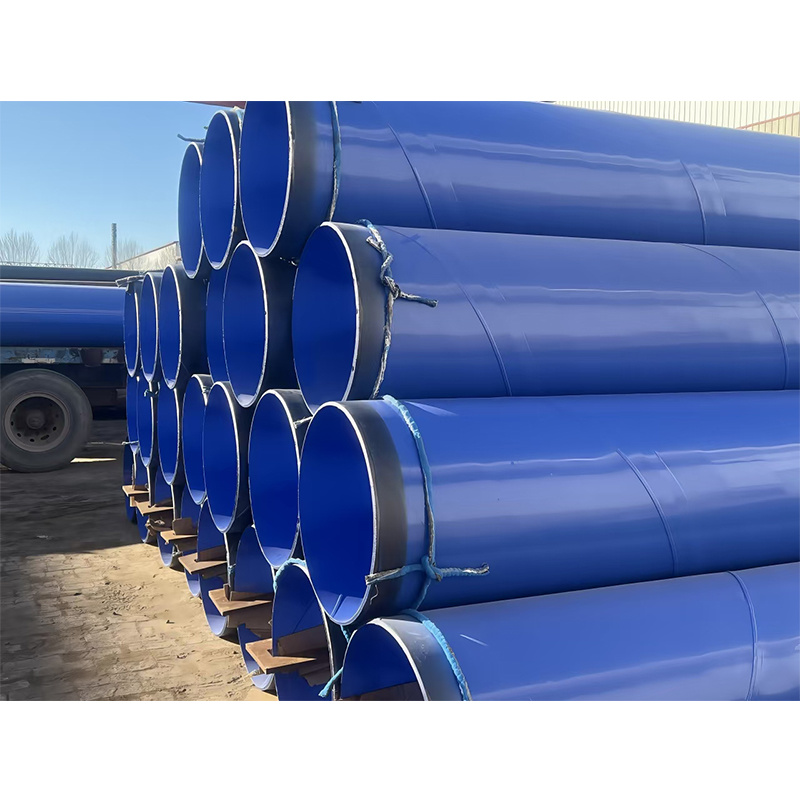
A **3PE pipeline** consists of three distinct layers designed to provide exceptional protection and performance. The first layer is a carbon steel pipe, which delivers structural integrity. The second layer is a fusion-bonded epoxy coating, providing corrosion resistance. Finally, the outer layer is a high-density polyethylene (HDPE) coating that enhances durability and resistance to environmental factors. This trifecta of materials ensures that 3PE pipelines can withstand the pressures of transporting oil, gas, and other hydrocarbon products.
Advantages of 3PE Pipelines in Oil and Gas
Choosing a 3PE pipeline offers a multitude of advantages for oil and gas projects:
Enhanced Corrosion Resistance
Corrosion is one of the most significant threats to pipeline integrity. The fusion-bonded epoxy layer acts as a barrier against moisture and corrosive substances, significantly extending the lifespan of the pipeline.
Improved Mechanical Strength
The structural integrity provided by the carbon steel base ensures that 3PE pipelines can handle high pressure and fluctuating temperatures, vital for the dynamic nature of oil and gas transportation.
Temperature and Pressure Resistance
3PE pipelines are designed to operate effectively across a range of temperatures, making them suitable for various geographical and operational conditions.
Low Maintenance Requirements
Due to their robust design and materials, 3PE pipelines require significantly less maintenance compared to traditional pipelines, leading to reduced operational costs over time.
Durability and Lifespan of 3PE Pipelines
The **durability** of a 3PE pipeline is one of its most appealing attributes. With proper installation and maintenance, these pipelines can last for several decades. The combination of protective layers helps to prevent degradation from environmental factors, such as UV exposure, soil acidity, and temperature variations. Thus, investing in a 3PE pipeline translates to long-term reliability, minimizing the risk of costly repairs and disruptions in service.
Application of 3PE Pipelines in Oil and Gas Projects
3PE pipelines are versatile and can be employed in various applications within the oil and gas sector:
Transportation of Crude Oil and Natural Gas
These pipelines are widely used for the safe and efficient transportation of crude oil and natural gas over long distances, contributing to energy security.
Infrastructure Development
In the development of oil and gas infrastructure, 3PE pipelines provide the necessary reliability and performance required to support drilling and extraction efforts.
Refinery Operations
3PE pipelines are utilized in refinery operations for transporting refined products, ensuring that the integrity of the product is maintained throughout the process.
Environmental Resilience of 3PE Pipelines
In today's environmentally conscious world, the resilience of infrastructure against environmental challenges is crucial. 3PE pipelines excel in this area:
Resistance to Chemical Exposure
The materials used in 3PE pipelines are resistant to a wide range of chemicals, including those commonly found in oil and gas operations. This resistance helps to prevent leaks and contamination.
Impact Resistance
The outer HDPE layer provides excellent impact resistance, making these pipelines less susceptible to damage from environmental factors such as landslides or human activities.
Cost-Effectiveness of 3PE Pipelines
While the initial investment in 3PE pipelines may be higher than traditional options, the long-term cost savings are significant:
Reduced Operational Costs
With lower maintenance requirements and a longer lifespan, 3PE pipelines lead to reduced operational costs, allowing companies to allocate resources more efficiently.
Minimized Downtime
The durability and reliability of 3PE pipelines minimize the risk of leaks and failures, resulting in less downtime and disruption to operations.
Maintenance and Repair Considerations
Although 3PE pipelines are designed for durability, regular inspections and maintenance are still crucial:
Routine Inspections
Conducting routine inspections helps identify potential issues before they escalate, ensuring the continued integrity of the pipeline.
Repair Solutions
In the rare event of damage, repair solutions such as internal coatings or external wraps can be employed, allowing for swift restoration without significant operational interruptions.
Frequently Asked Questions
1. What is the lifespan of a 3PE pipeline?
A well-maintained 3PE pipeline can last for over 30 years, depending on environmental conditions and operational practices.
2. Are 3PE pipelines suitable for high-pressure applications?
Yes, 3PE pipelines are designed to handle high-pressure environments, making them suitable for various oil and gas applications.
3. How do 3PE pipelines compare to traditional pipelines?
3PE pipelines offer superior corrosion resistance, mechanical strength, and lower maintenance requirements compared to traditional pipelines.
4. What are the environmental benefits of using 3PE pipelines?
3PE pipelines minimize the risk of leaks and contamination, contributing to environmental protection and sustainability in the oil and gas sector.
5. Can 3PE pipelines be used in extreme weather conditions?
Yes, 3PE pipelines are built to withstand extreme weather conditions, including temperature fluctuations and heavy precipitation.
Conclusion
Choosing a durable **3PE pipeline** for oil and gas projects is not merely a cost-effective decision but a strategic one for ensuring operational efficiency, environmental safety, and long-term sustainability. The numerous advantages, including enhanced durability, low maintenance, and environmental resilience, make 3PE pipelines an essential component in modern energy infrastructure. By investing in this advanced pipeline technology, companies can navigate the complexities of the oil and gas industry with confidence, securing their operations for the future.
Related Posts

Understanding Plastic-Coated Steel Pipes for Efficient Sewage Systems







Address
Wuliyao Industrial Zone, Yanshan County, Cangzhou City, Hebei Province, China