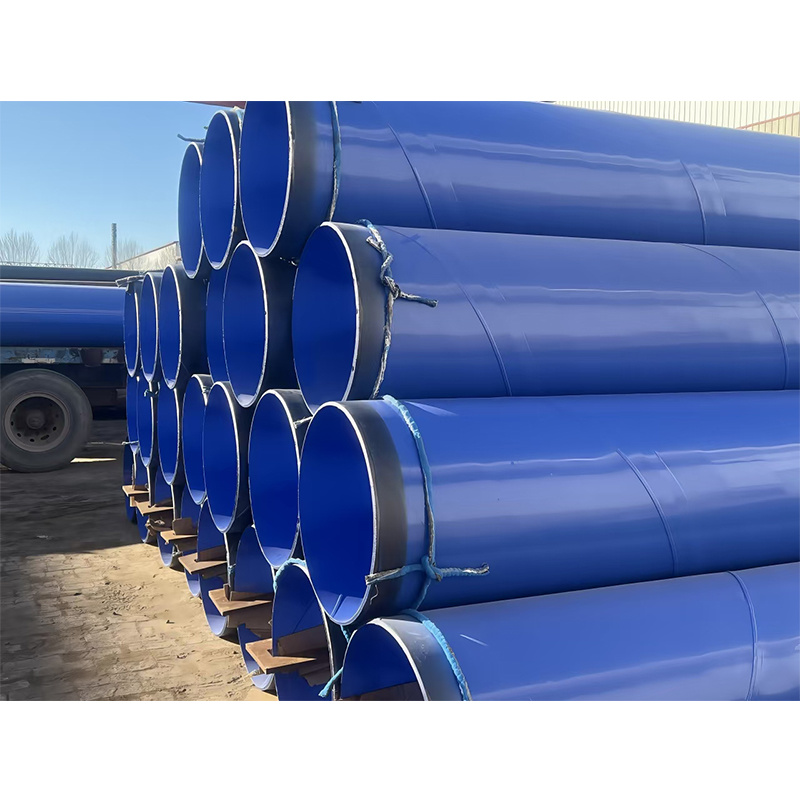
Understanding 3PE External Coated Steel Pipes: A Comprehensive Guide for Professionals
Jun 27,2025
---
3PE external coated steel pipes have gained significant traction in the construction and building materials industry, especially for applications requiring enhanced durability and resistance to corrosion. The "3PE" in its name stands for the three-layer polyethylene coating that is designed to protect steel pipes from harsh environmental conditions. This coating consists of a fusion-bonded epo
---
3PE external coated steel pipes have gained significant traction in the construction and building materials industry, especially for applications requiring enhanced durability and resistance to corrosion. The "3PE" in its name stands for the three-layer polyethylene coating that is designed to protect steel pipes from harsh environmental conditions. This coating consists of a fusion-bonded epoxy layer, a second adhesive layer, and a polyethylene outer layer, each contributing to the overall performance of the pipe.
One of the main advantages of 3PE external coated steel pipes is their superior resistance to corrosion. The coating acts as a barrier against moisture and other corrosive elements, significantly extending the lifespan of the pipes. In environments where traditional steel pipes might succumb to rust and degradation, 3PE coatings provide a reliable solution, making them ideal for underground installations or regions with high humidity.
In addition to corrosion resistance, the 3PE coating enhances the mechanical properties of the steel pipes. This means that they can withstand higher pressures and impacts without compromising structural integrity. For construction professionals, this is particularly important when dealing with fluctuating loads and challenging site conditions. The added strength can lead to reduced maintenance costs over time and a lower likelihood of costly repairs or replacements.
Another significant aspect of 3PE external coated steel pipes is their versatility. They are suitable for various applications, including water transportation, oil and gas pipelines, and sewage systems. This adaptability allows construction professionals to utilize these pipes in a wide range of projects, ensuring compliance with industry standards and improving overall project efficiency.
Furthermore, the installation process for 3PE external coated steel pipes is generally straightforward. The pipes can be connected using standard welding or mechanical jointing methods, which makes them convenient for on-site assembly. This ease of installation can save valuable time and resources during the construction phase, allowing teams to focus on other critical tasks.
In summary, 3PE external coated steel pipes represent a robust and effective solution for modern construction projects. Their exceptional corrosion resistance, mechanical strength, and versatility make them an ideal choice for a variety of applications within the building materials sector. For professionals looking to ensure project longevity and reliability, understanding the benefits and applications of 3PE external coated steel pipes is essential. Embracing these innovative materials can lead to improved performance and sustainability in building practices.
3PE external coated steel pipes have gained significant traction in the construction and building materials industry, especially for applications requiring enhanced durability and resistance to corrosion. The "3PE" in its name stands for the three-layer polyethylene coating that is designed to protect steel pipes from harsh environmental conditions. This coating consists of a fusion-bonded epoxy layer, a second adhesive layer, and a polyethylene outer layer, each contributing to the overall performance of the pipe.
One of the main advantages of 3PE external coated steel pipes is their superior resistance to corrosion. The coating acts as a barrier against moisture and other corrosive elements, significantly extending the lifespan of the pipes. In environments where traditional steel pipes might succumb to rust and degradation, 3PE coatings provide a reliable solution, making them ideal for underground installations or regions with high humidity.
In addition to corrosion resistance, the 3PE coating enhances the mechanical properties of the steel pipes. This means that they can withstand higher pressures and impacts without compromising structural integrity. For construction professionals, this is particularly important when dealing with fluctuating loads and challenging site conditions. The added strength can lead to reduced maintenance costs over time and a lower likelihood of costly repairs or replacements.
Another significant aspect of 3PE external coated steel pipes is their versatility. They are suitable for various applications, including water transportation, oil and gas pipelines, and sewage systems. This adaptability allows construction professionals to utilize these pipes in a wide range of projects, ensuring compliance with industry standards and improving overall project efficiency.
Furthermore, the installation process for 3PE external coated steel pipes is generally straightforward. The pipes can be connected using standard welding or mechanical jointing methods, which makes them convenient for on-site assembly. This ease of installation can save valuable time and resources during the construction phase, allowing teams to focus on other critical tasks.
In summary, 3PE external coated steel pipes represent a robust and effective solution for modern construction projects. Their exceptional corrosion resistance, mechanical strength, and versatility make them an ideal choice for a variety of applications within the building materials sector. For professionals looking to ensure project longevity and reliability, understanding the benefits and applications of 3PE external coated steel pipes is essential. Embracing these innovative materials can lead to improved performance and sustainability in building practices.
Related Posts
Understanding Plastic-Coated Steel Pipes for Efficient Sewage Systems
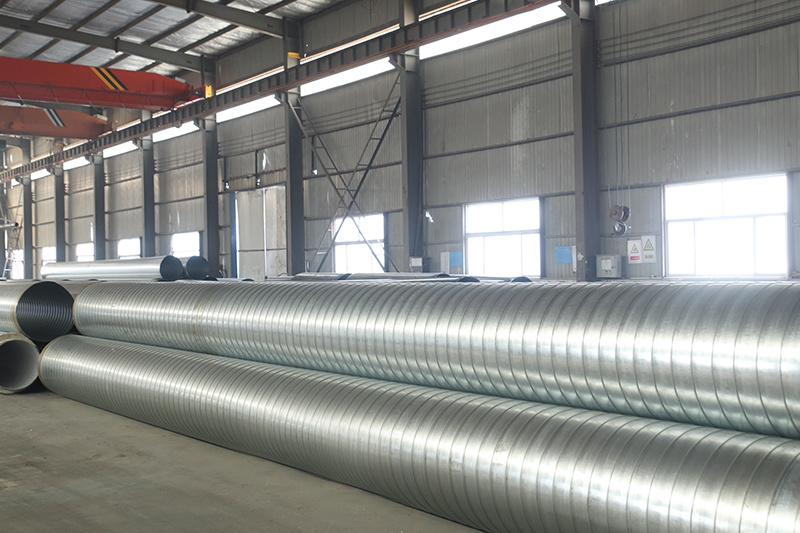
Plastic-coated steel pipes have gained significant attention in the construction industry, particularly in the context of sewage systems. These pipes combine the inherent strength of steel with the protective qualities of plastic, making them an excellent choice for various applications in building and decorating materials.
One of the primary advantages of using plastic-coated steel pipes in sewag