Understanding the Benefits of Heat Insulated Steel Pipes in Construction
Sep 15,2025
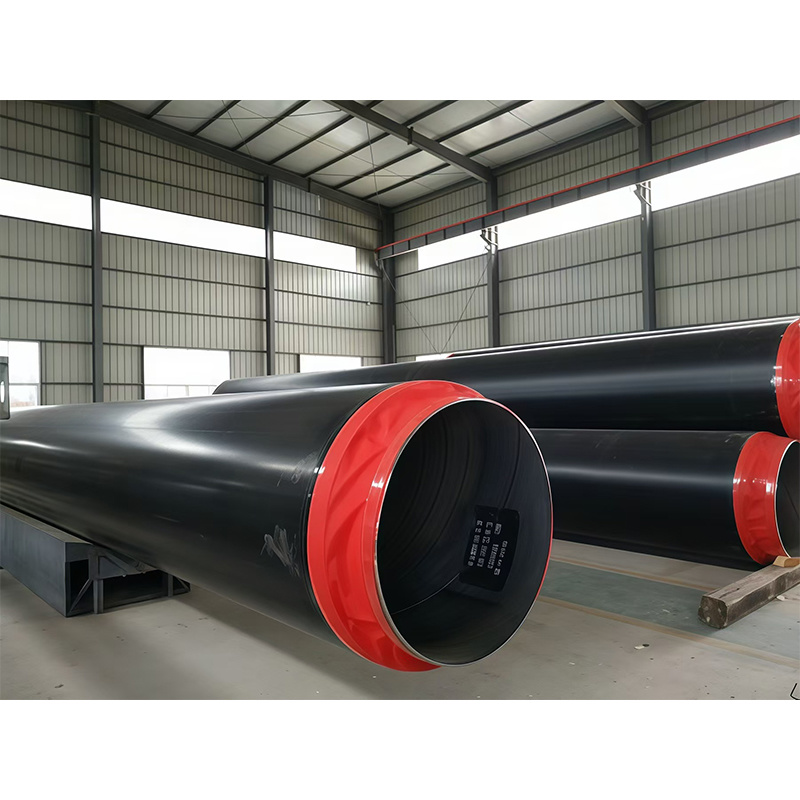
In the construction and decoration materials sector, the use of heat insulated steel pipes is becoming increasingly popular due to their numerous benefits. These pipes are designed to minimize heat transfer, making them an invaluable asset in various applications, especially in heating and cooling systems. By utilizing heat insulated steel pipes, builders and architects can significantly improve a
In the construction and decoration materials sector, the use of heat insulated steel pipes is becoming increasingly popular due to their numerous benefits. These pipes are designed to minimize heat transfer, making them an invaluable asset in various applications, especially in heating and cooling systems. By utilizing heat insulated steel pipes, builders and architects can significantly improve a building’s energy efficiency, leading to both environmental benefits and cost savings.
One of the primary advantages of heat insulated steel pipes is their ability to maintain the desired temperature of the fluids they carry. This is particularly important in heating systems, where the goal is to deliver hot water or steam without significant heat loss. The insulation minimizes thermal bridging, which occurs when heat is transferred through the material, ensuring that the energy used for heating is not wasted. This efficiency translates to lower energy consumption and reduced utility bills.
Additionally, in climates where temperature fluctuations are common, heat insulated steel pipes help stabilize the internal temperature of buildings. By reducing the thermal loss, these pipes ensure that heating and cooling systems do not have to work as hard, prolonging their lifespan and reducing maintenance costs. This is especially crucial in large buildings or industrial settings where the volume of fluid transported can be substantial.
Moreover, the durability of steel provides further benefits. Steel pipes are resistant to various environmental factors, including corrosion and mechanical stress, which can compromise other types of piping materials. This durability, combined with the insulation, makes heat insulated steel pipes a long-term investment for any construction project.
From a sustainability perspective, using heat insulated steel pipes aligns with the growing trend toward environmentally friendly building practices. As buildings consume a significant amount of energy, improving the efficiency of heating and cooling systems is a step toward reducing the overall carbon footprint of a structure. Moreover, the recyclability of steel contributes to sustainability efforts, allowing for a circular economy in construction materials.
In conclusion, the integration of heat insulated steel pipes in building design and construction offers a range of benefits, from energy efficiency and cost savings to enhanced durability and sustainability. For construction professionals looking to deliver high-quality, energy-efficient structures, considering heat insulated steel pipes is a wise and impactful choice. By embracing this technology, the construction industry can contribute to a greener future while meeting the demands of modern living.
One of the primary advantages of heat insulated steel pipes is their ability to maintain the desired temperature of the fluids they carry. This is particularly important in heating systems, where the goal is to deliver hot water or steam without significant heat loss. The insulation minimizes thermal bridging, which occurs when heat is transferred through the material, ensuring that the energy used for heating is not wasted. This efficiency translates to lower energy consumption and reduced utility bills.
Additionally, in climates where temperature fluctuations are common, heat insulated steel pipes help stabilize the internal temperature of buildings. By reducing the thermal loss, these pipes ensure that heating and cooling systems do not have to work as hard, prolonging their lifespan and reducing maintenance costs. This is especially crucial in large buildings or industrial settings where the volume of fluid transported can be substantial.
Moreover, the durability of steel provides further benefits. Steel pipes are resistant to various environmental factors, including corrosion and mechanical stress, which can compromise other types of piping materials. This durability, combined with the insulation, makes heat insulated steel pipes a long-term investment for any construction project.
From a sustainability perspective, using heat insulated steel pipes aligns with the growing trend toward environmentally friendly building practices. As buildings consume a significant amount of energy, improving the efficiency of heating and cooling systems is a step toward reducing the overall carbon footprint of a structure. Moreover, the recyclability of steel contributes to sustainability efforts, allowing for a circular economy in construction materials.
In conclusion, the integration of heat insulated steel pipes in building design and construction offers a range of benefits, from energy efficiency and cost savings to enhanced durability and sustainability. For construction professionals looking to deliver high-quality, energy-efficient structures, considering heat insulated steel pipes is a wise and impactful choice. By embracing this technology, the construction industry can contribute to a greener future while meeting the demands of modern living.
TAG:
Related Posts
Understanding Plastic-Coated Steel Pipes for Efficient Sewage Systems
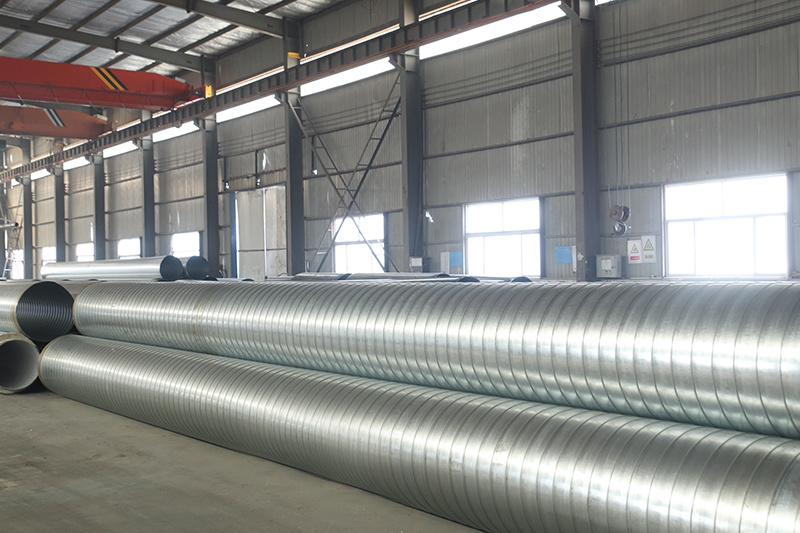
Plastic-coated steel pipes have gained significant attention in the construction industry, particularly in the context of sewage systems. These pipes combine the inherent strength of steel with the protective qualities of plastic, making them an excellent choice for various applications in building and decorating materials.
One of the primary advantages of using plastic-coated steel pipes in sewag