Understanding Epoxy Resin Coated Steel Pipes: Benefits and Applications
Oct 03,2025
Epoxy resin coated steel pipes are increasingly gaining recognition in the construction and decorative materials industry, particularly for their durability and resistance to corrosion. These pipes are made from standard steel and are coated with a layer of epoxy resin, which enhances their performance and extends their lifespan. This coating serves as a protective barrier against various environm
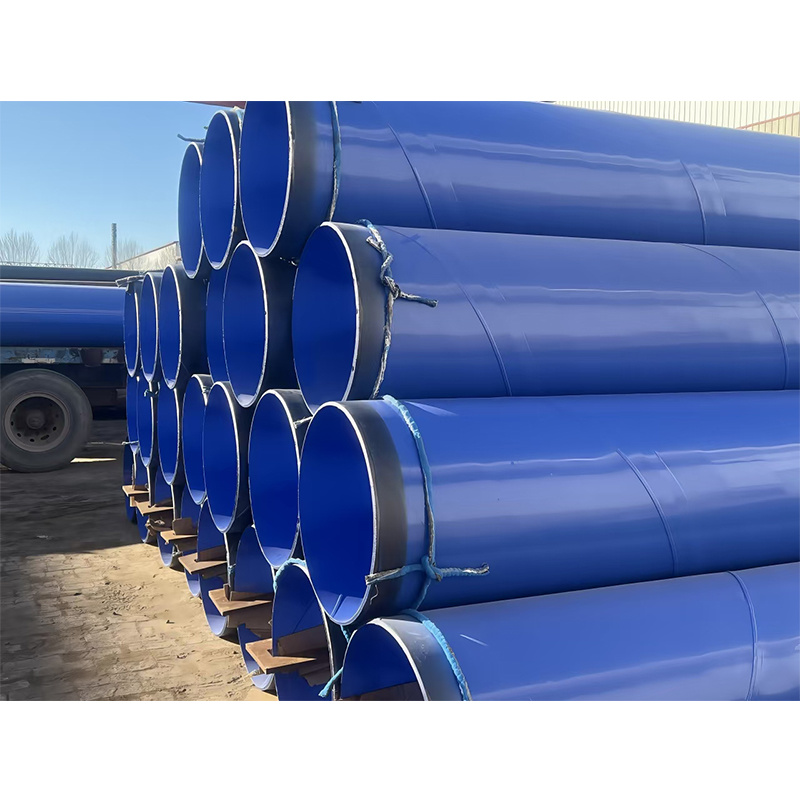
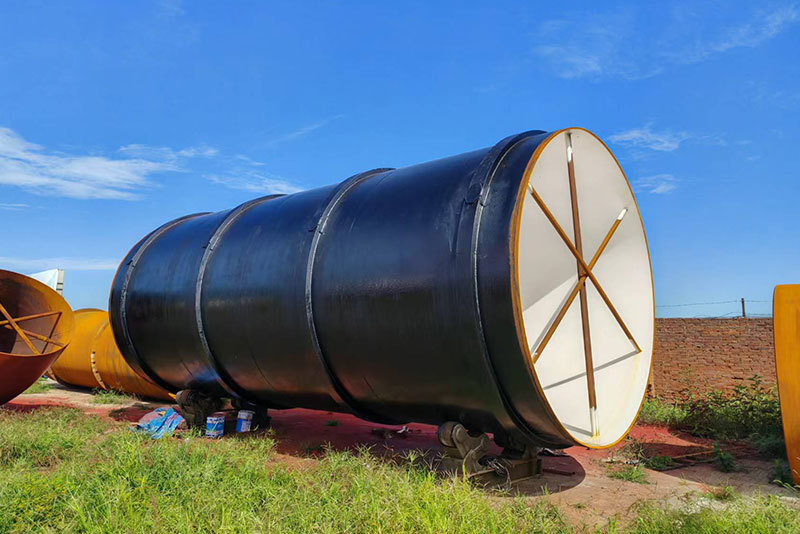
Epoxy resin coated steel pipes are increasingly gaining recognition in the construction and decorative materials industry, particularly for their durability and resistance to corrosion. These pipes are made from standard steel and are coated with a layer of epoxy resin, which enhances their performance and extends their lifespan. This coating serves as a protective barrier against various environmental factors, making them ideal for a wide range of applications.
One of the primary benefits of epoxy resin coated steel pipes is their exceptional resistance to corrosion. Traditional steel pipes are prone to rust and deterioration when exposed to moisture and chemicals. The epoxy coating effectively seals the steel surface, preventing any exposure to corrosive elements. This attribute not only prolongs the life of the pipes but also reduces the need for costly repairs and replacements, ultimately leading to lower maintenance costs.
Another advantage of these coated pipes is their smooth surface, which enhances fluid flow. The epoxy resin creates a uniform and smooth inner surface that minimizes friction and turbulence. Consequently, this feature is highly beneficial in applications where efficient fluid transport is essential, such as in water supply systems and industrial pipelines. Users can experience reduced energy consumption due to decreased resistance, allowing for more efficient operations.
Epoxy resin coated steel pipes are also versatile in their applications. They can be used in various sectors, including construction, infrastructure, and even in decorative projects. Their resistance to chemicals makes them suitable for industries involving aggressive substances, while their aesthetic appeal allows for integration into design-oriented projects. This versatility makes them a popular choice among builders and architects looking for both functionality and style.
Moreover, the process of applying epoxy resin to steel pipes is relatively straightforward and can be customized to meet specific project requirements. The coating can be applied in different thicknesses depending on the expected exposure conditions, ensuring that the pipes perform optimally in their intended environments.
In conclusion, epoxy resin coated steel pipes represent a significant advancement in construction materials, combining the strength of steel with the protective qualities of epoxy. Their corrosion resistance, smooth surface for improved fluid dynamics, and versatility in applications make them an attractive option for various projects. By considering epoxy resin coated steel pipes for your next construction or decorative project, you can ensure enhanced durability and performance while minimizing future maintenance needs.
One of the primary benefits of epoxy resin coated steel pipes is their exceptional resistance to corrosion. Traditional steel pipes are prone to rust and deterioration when exposed to moisture and chemicals. The epoxy coating effectively seals the steel surface, preventing any exposure to corrosive elements. This attribute not only prolongs the life of the pipes but also reduces the need for costly repairs and replacements, ultimately leading to lower maintenance costs.
Another advantage of these coated pipes is their smooth surface, which enhances fluid flow. The epoxy resin creates a uniform and smooth inner surface that minimizes friction and turbulence. Consequently, this feature is highly beneficial in applications where efficient fluid transport is essential, such as in water supply systems and industrial pipelines. Users can experience reduced energy consumption due to decreased resistance, allowing for more efficient operations.
Epoxy resin coated steel pipes are also versatile in their applications. They can be used in various sectors, including construction, infrastructure, and even in decorative projects. Their resistance to chemicals makes them suitable for industries involving aggressive substances, while their aesthetic appeal allows for integration into design-oriented projects. This versatility makes them a popular choice among builders and architects looking for both functionality and style.
Moreover, the process of applying epoxy resin to steel pipes is relatively straightforward and can be customized to meet specific project requirements. The coating can be applied in different thicknesses depending on the expected exposure conditions, ensuring that the pipes perform optimally in their intended environments.
In conclusion, epoxy resin coated steel pipes represent a significant advancement in construction materials, combining the strength of steel with the protective qualities of epoxy. Their corrosion resistance, smooth surface for improved fluid dynamics, and versatility in applications make them an attractive option for various projects. By considering epoxy resin coated steel pipes for your next construction or decorative project, you can ensure enhanced durability and performance while minimizing future maintenance needs.
TAG:
Related Posts
Understanding Plastic-Coated Steel Pipes for Efficient Sewage Systems
Plastic-coated steel pipes have gained significant attention in the construction industry, particularly in the context of sewage systems. These pipes combine the inherent strength of steel with the protective qualities of plastic, making them an excellent choice for various applications in building and decorating materials.
One of the primary advantages of using plastic-coated steel pipes in sewag