
The Advantages of Using Plastic-Coated Pipelines in Industrial Settings
Oct 24,2025
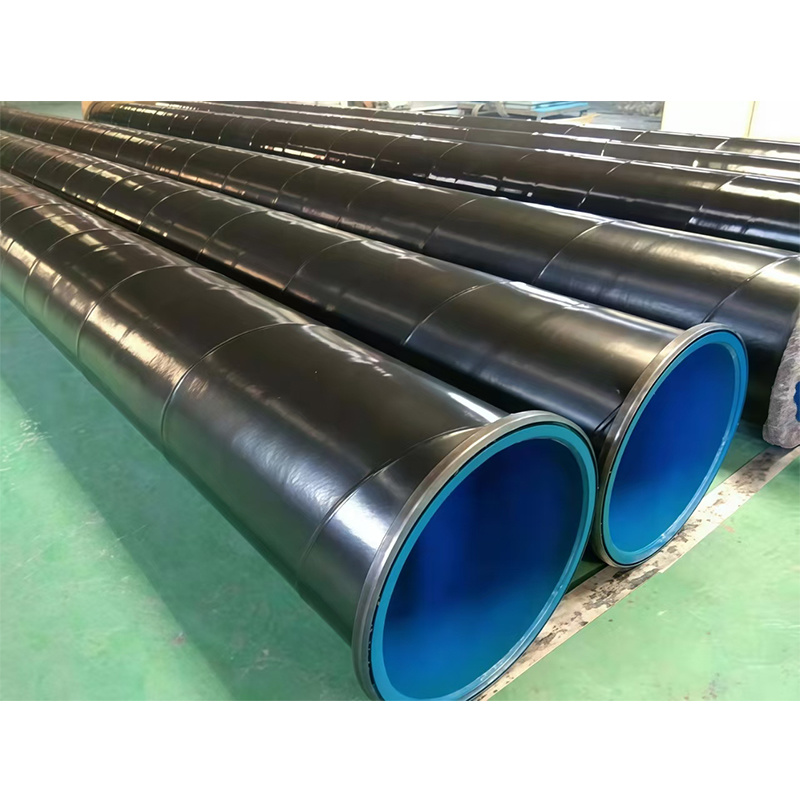
The Advantages of Using Plastic-Coated Pipelines in Industrial Settings
Introduction to Plastic-Coated Pipelines
In the ever-evolving landscape of industrial settings, the choice of materials for pipelines is crucial. Plastic-coated pipelines have emerged as an innovative solution, offering numerous advantages over traditional materials. This article delves deep into these benefits, focusing on how plastic coating enhances the performance, longevity, and cost-effectiveness of pipelines used in various industrial applications.
Understanding Plastic Coating Technology
Plastic coating involves the application of a layer of plastic material over metal substrates, typically steel. This process not only improves the physical characteristics of the pipeline but also provides additional protective features. The most common types of plastics used in coating include polyethylene, polypropylene, and polyvinyl chloride (PVC). Each type has its unique properties tailored to specific industrial requirements.
How Plastic Coating Works
The plastic coating is applied using methods such as electrostatic spray, dip coating, or fluidized bed coating. These processes ensure a uniform layer that adheres tightly to the pipeline, creating a barrier against environmental factors. This added layer significantly improves the pipeline's resistance to corrosion, abrasion, and chemical exposure.
The Key Benefits of Plastic-Coated Pipelines
1. Enhanced Corrosion Resistance
One of the primary advantages of plastic-coated pipelines is their superior resistance to corrosion. Corrosion can lead to catastrophic failures and costly downtime in industrial operations. By utilizing plastic coatings, industries can effectively mitigate the risk of corrosion, extending the lifespan of their pipelines.
Long-Term Durability
Plastic coatings significantly improve the durability of pipelines. They can withstand harsh environmental conditions, including moisture, chemicals, and extreme temperatures. This long-term resilience reduces the need for frequent replacements, saving both time and resources.
2. Cost-Effectiveness and Economic Advantages
While the initial investment in plastic-coated pipelines might be higher than traditional options, the long-term savings are substantial. Reduced maintenance costs, extended lifespan, and decreased downtime contribute to a favorable return on investment. Industries can allocate their resources more efficiently, allowing them to focus on core operations rather than constant maintenance.
Energy Efficiency in Operations
Plastic-coated pipelines often contribute to energy efficiency. Their insulating properties help maintain the temperature of the transported materials, reducing energy consumption for heating or cooling. This aspect is particularly beneficial in industries where thermal regulation is critical.
3. Weight Reduction and Handling Ease
Plastic-coated pipelines are typically lighter than their metal counterparts. This weight reduction simplifies handling, installation, and transportation. Workers can maneuver these pipelines with greater ease, reducing labor costs and enhancing workplace safety.
Improved Safety Standards
With their smooth, non-corrosive surface, plastic-coated pipelines minimize the risks associated with leaks and spills. This characteristic is particularly important in industries dealing with hazardous materials, where even a minor leak can lead to significant safety issues.
4. Versatility Across Industries
Plastic-coated pipelines find applications in various industrial sectors, including oil and gas, chemical processing, food and beverage, and pharmaceuticals. Their versatile nature allows them to adapt to different operational requirements.
Custom Solutions for Specific Needs
The ability to customize plastic coatings for specific applications enhances their appeal. Industries can choose coatings designed for particular chemical exposures or temperatures, ensuring optimal performance in their unique environments.
Maintenance and Longevity of Plastic-Coated Pipelines
Routine Inspections and Maintenance Strategies
While plastic-coated pipelines are low-maintenance, routine inspections are essential to ensure their longevity. Industries should develop a maintenance schedule that includes visual inspections for signs of wear or damage.
Repairing Damage Effectively
In the event of damage, repairs can often be straightforward. Depending on the extent of the wear, industries may choose to patch the affected area or recoat the pipeline entirely. This flexibility allows for minimal disruption to operations.
Comparative Analysis: Plastic-Coated vs. Traditional Pipelines
Understanding the differences between plastic-coated pipelines and traditional metal options is crucial for making informed decisions. While traditional pipelines may offer certain advantages, such as lower initial costs, they often fall short in long-term performance and maintenance needs.
Durability and Performance Metrics
When comparing durability, plastic-coated pipelines often outshine traditional options. They exhibit increased resistance to a wider range of environmental stresses, making them a more reliable choice for industrial applications.
Innovations in Plastic Coating Technologies
The field of plastic coating is continually advancing, with new technologies emerging to enhance efficiency and performance. Innovations such as nanocoatings and advanced polymer blends are paving the way for even more durable and effective pipeline solutions.
Sustainable Practices in Pipeline Manufacturing
As industries become more environmentally conscious, the production of plastic-coated pipelines is adapting. Manufacturers are exploring sustainable materials and processes to reduce the environmental footprint associated with pipeline production.
Recycling and Reusability
Many plastic-coated products are now designed with recyclability in mind, contributing to a more sustainable industrial ecosystem. Understanding these practices can help industries align with environmental regulations and corporate responsibility initiatives.
Case Studies: Successful Implementation of Plastic-Coated Pipelines
Examining real-world applications of plastic-coated pipelines can provide valuable insights into their effectiveness and advantages. Various industries, from pharmaceuticals to petrochemicals, have successfully integrated plastic-coated solutions within their operations.
Industry Examples and Outcomes
Several case studies showcase how plastic-coated pipelines have significantly reduced maintenance costs and improved operational efficiency. For instance, a chemical processing plant reported a 40% decrease in downtime after switching to plastic-coated pipelines, illustrating their impact on productivity.
Frequently Asked Questions (FAQs)
1. What materials are commonly used in plastic coating for pipelines?
Common materials include polyethylene, polypropylene, and PVC, each offering unique properties suited for different industrial applications.
2. How long can plastic-coated pipelines last?
With proper maintenance, plastic-coated pipelines can last significantly longer than traditional pipelines, often exceeding 30 years.
3. Are plastic-coated pipelines suitable for high-temperature applications?
Yes, many plastic coatings are designed to withstand high temperatures, making them suitable for various industrial processes.
4. Can plastic-coated pipelines be repaired if damaged?
Yes, repairs can be made through patching or recoating, ensuring minimal disruptions in operations.
5. What industries benefit most from using plastic-coated pipelines?
Industries such as oil and gas, chemical processing, food and beverage, and pharmaceuticals benefit significantly from the advantages of plastic-coated pipelines.
Conclusion
Plastic-coated pipelines offer a multitude of advantages that can significantly enhance industrial operations. From improved corrosion resistance and cost-effectiveness to increased durability and safety, these pipelines present a compelling choice for industries looking to optimize their processes. As technology continues to evolve, the benefits of plastic-coated pipelines will likely expand, leading to even greater efficiencies in various industrial applications. By choosing plastic-coated pipelines, industries not only invest in better materials but also pave the way for a more sustainable and efficient future.
TAG:
Related Posts

Understanding Plastic-Coated Steel Pipes for Efficient Sewage Systems







Address
Wuliyao Industrial Zone, Yanshan County, Cangzhou City, Hebei Province, China