
3PE Steel Pipes: The Ultimate Solution for Chemical Processing Facilities
Oct 30,2025
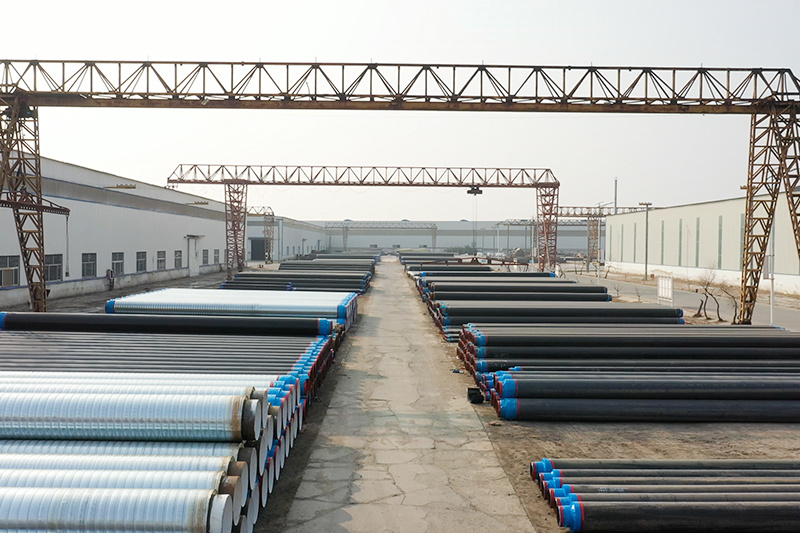
3PE Steel Pipes: A Solution for Chemical Processing Facilities
Chemical processing facilities face unique challenges due to the corrosive nature of the materials they handle. To ensure safety and efficiency, it is crucial to select piping systems that can withstand harsh conditions. **3PE steel pipes** have emerged as a preferred choice due to their exceptional resistance to corrosion and structural integrity. In this article, we will delve into the benefits, applications, and critical features of 3PE steel pipes, providing a comprehensive overview tailored for decision-makers in the chemical processing industry.
Table of Contents
- Introduction to 3PE Steel Pipes
- Benefits of Using 3PE Steel Pipes
- Applications of 3PE Steel Pipes in Chemical Processing
- Key Features of 3PE Steel Pipes
- Installation and Maintenance Considerations
- Industry Standards and Certifications
- Case Studies: Successful Implementation
- Frequently Asked Questions
Introduction to 3PE Steel Pipes
3PE steel pipes are characterized by their three-layer polyethylene coating, which consists of an epoxy primer, a middle layer of adhesive, and an outer layer of polyethylene. This unique structure offers superior protection against various environmental factors, making them ideal for chemical processing facilities where exposure to corrosive substances is a constant threat. The combination of **steel’s strength** and the protective qualities of polyethylene creates a robust piping solution that meets stringent industry demands.
Benefits of Using 3PE Steel Pipes
The adoption of 3PE steel pipes provides numerous advantages, enhancing operational efficiency and safety in chemical processing facilities.
Durability and Longevity
**Durability** is a hallmark of 3PE steel pipes. The robust construction ensures that these pipes can withstand high pressures and temperatures, making them suitable for transporting various chemicals. The three-layer coating significantly extends the lifespan of these pipes, reducing the frequency of replacements and lowering long-term maintenance costs.
Corrosion Resistance
One of the most significant advantages of 3PE steel pipes is their exceptional **corrosion resistance**. The polyethylene coating provides a formidable barrier against moisture and corrosive agents, significantly reducing the likelihood of rust and deterioration. This feature is crucial in chemical processing environments where exposure to aggressive substances can compromise standard piping systems.
Cost Efficiency
Investing in 3PE steel pipes can lead to substantial cost savings over time. While the initial investment may be higher than traditional piping materials, the durability and low maintenance requirements of 3PE pipes result in lower operational costs. Facilities can expect to see improved efficiency and reduced downtime, contributing to overall cost-effectiveness.
Applications of 3PE Steel Pipes in Chemical Processing
3PE steel pipes are versatile and can be applied in various contexts within chemical processing facilities. Common applications include:
1. **Transporting Corrosive Chemicals**: 3PE pipes are ideal for conveying aggressive substances such as acids, alkalis, and solvents. Their resistance to corrosion ensures safe and reliable transport.
2. **Water and Wastewater Management**: These pipes can also be used in water treatment and wastewater applications, where the materials being processed may cause damage to traditional piping systems.
3. **Heating and Cooling Systems**: In processes that require heating or cooling, 3PE steel pipes effectively maintain temperature while resisting wear from thermal expansion.
4. **Fuel Pipelines**: Their robust design makes 3PE pipes suitable for the transportation of fuels, ensuring safety and compliance with industry regulations.
Key Features of 3PE Steel Pipes
Understanding the key features of 3PE steel pipes can help facilities make informed decisions when selecting piping systems. Notable features include:
- **Three-Layer Coating**: The unique three-layer structure provides outstanding protection and extends the lifecycle of the pipes.
- **High Strength**: Made from high-quality steel, 3PE pipes can handle significant pressure, making them suitable for various applications.
- **Flexibility**: The pipes can be manufactured in various diameters and lengths, allowing for customization based on specific facility requirements.
- **Heat Resistance**: 3PE steel pipes can withstand high temperatures, making them ideal for various chemical processes.
Installation and Maintenance Considerations
When installing 3PE steel pipes, it is essential to follow industry best practices to ensure optimal performance. Key considerations include:
- **Proper Handling**: Care should be taken during transportation and installation to avoid damaging the coating.
- **Sealing Joints**: Ensuring airtight seals at joints and connections is critical to prevent leaks and maintain system integrity.
- **Regular Inspections**: Routine inspections help detect any potential issues early, allowing for timely maintenance and reducing downtime.
Industry Standards and Certifications
3PE steel pipes must adhere to various industry standards to ensure safety and reliability. Common certifications include:
- **ASTM**: The American Society for Testing and Materials provides guidelines for the material and performance of pipes.
- **ISO**: The International Organization for Standardization outlines standards for quality management and environmental management systems.
- **API**: The American Petroleum Institute sets standards for the oil and natural gas industry, including piping systems.
These certifications ensure that 3PE steel pipes meet the rigorous demands of chemical processing environments.
Case Studies: Successful Implementation
Many chemical processing facilities have successfully implemented 3PE steel pipes, reaping the benefits of enhanced durability and corrosion resistance. A notable case involved a major chemical manufacturer that transitioned to 3PE pipes for their acid transport system. This change resulted in a **40% reduction in maintenance costs** and significantly improved safety standards. Such success stories underscore the effectiveness of 3PE steel pipes in real-world applications.
Frequently Asked Questions
What are the main advantages of 3PE steel pipes over traditional steel pipes?
3PE steel pipes offer enhanced corrosion resistance, durability, and lower long-term maintenance costs compared to traditional steel pipes, making them an ideal choice for chemical processing facilities.
How long can 3PE steel pipes last?
With proper installation and maintenance, 3PE steel pipes can last over 30 years, significantly outlasting many traditional piping options.
Are 3PE steel pipes suitable for high-pressure applications?
Yes, 3PE steel pipes are designed to handle high pressures, making them effective for transporting various chemicals in chemical processing environments.
Can 3PE steel pipes be used for both hot and cold fluids?
Absolutely! 3PE steel pipes are suitable for transporting both hot and cold fluids, offering versatility in various applications.
What is the installation process for 3PE steel pipes?
The installation process involves careful handling, proper sealing of joints, and adherence to industry best practices to ensure optimal performance and safety.
Conclusion
3PE steel pipes represent a **cutting-edge solution** for chemical processing facilities, providing unmatched durability, corrosion resistance, and cost efficiency. Their unique three-layer coating ensures that they can withstand the harsh conditions often found in these environments. As industries continue to prioritize safety and operational efficiency, the adoption of 3PE steel pipes is likely to increase, making them a vital component of modern chemical processing systems. By choosing 3PE steel pipes, facilities can enhance their infrastructure, ensuring safe and efficient operations for years to come.
TAG:
Related Posts

Understanding Plastic-Coated Steel Pipes for Efficient Sewage Systems







Address
Wuliyao Industrial Zone, Yanshan County, Cangzhou City, Hebei Province, China