
Exploring the Advantages of Plastic Coated Steel Pipes for Builders: A Comprehensive Guide
Nov 05,2025
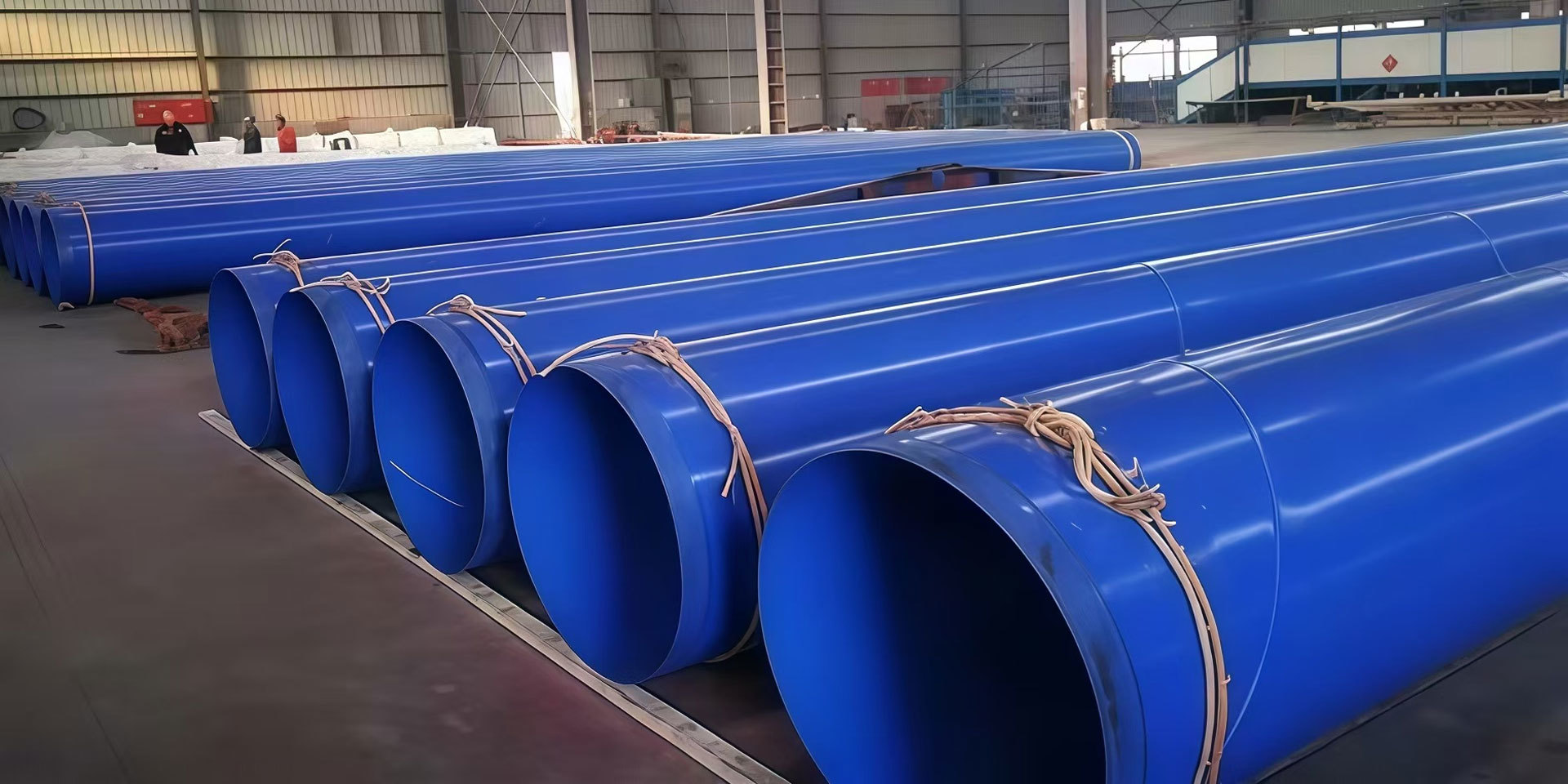
Exploring the Advantages of Plastic Coated Steel Pipes for Builders
Table of Contents
- Introduction to Plastic Coated Steel Pipes
- What Are Plastic Coated Steel Pipes?
- Benefits of Plastic Coated Steel Pipes
- 1. Durability and Longevity
- 2. Corrosion Resistance
- 3. Cost-Effectiveness
- 4. Aesthetic Appeal
- 5. Environmental Impact
- Applications of Plastic Coated Steel Pipes
- Installation of Plastic Coated Steel Pipes
- Maintenance Tips for Plastic Coated Steel Pipes
- Conclusion
- Frequently Asked Questions
Introduction to Plastic Coated Steel Pipes
In the construction industry, selecting the right materials is paramount to ensure structural integrity, longevity, and aesthetic value. **Plastic coated steel pipes** have emerged as a popular choice among builders for various applications. These pipes combine the strength and durability of steel with the protective benefits of plastic coatings, making them an excellent option for a range of construction needs. This article delves into the benefits, applications, installation methods, and maintenance of plastic coated steel pipes, providing builders with a comprehensive understanding of their advantages.
What Are Plastic Coated Steel Pipes?
Plastic coated steel pipes consist of a steel core that is coated with a layer of plastic, typically made from polyethylene or PVC. This innovative design enhances the pipe's properties, providing a protective barrier against environmental factors. The coating process involves applying a layer of plastic to the exterior surface of the steel pipe, which can be achieved through various methods such as extrusion or dipping.
The result is a pipe that retains the strength and load-bearing capabilities of steel while benefiting from the corrosion resistance and versatility of plastic. This combination makes plastic coated steel pipes suitable for both indoor and outdoor applications, even in harsh environments.
Benefits of Plastic Coated Steel Pipes
1. Durability and Longevity
One of the most significant advantages of plastic coated steel pipes is their **durability**. The steel core provides substantial strength, enabling the pipes to withstand high pressure and mechanical stress. The plastic coating acts as a shield against physical damage, environmental hazards, and wear and tear. As a result, these pipes demonstrate an impressive lifespan, making them a reliable choice for builders looking to invest in long-lasting materials.
2. Corrosion Resistance
Corrosion is one of the primary concerns in construction, particularly for piping systems exposed to moisture and chemicals. Traditional steel pipes are susceptible to rust and degradation, which can compromise structural integrity over time. In contrast, the **plastic coating** offers excellent corrosion resistance, preventing rust formation and enhancing the pipe's longevity. This feature is especially beneficial for applications in coastal areas or industries that involve corrosive substances.
3. Cost-Effectiveness
While the initial investment in plastic coated steel pipes may be higher than conventional steel pipes, their long-term cost-effectiveness is undeniable. The durability and corrosion resistance of these pipes result in reduced maintenance costs and fewer replacements over time. Builders can save significantly on operational expenses, making plastic coated steel pipes a smart financial choice for both residential and commercial projects.
4. Aesthetic Appeal
In addition to their functional benefits, plastic coated steel pipes are available in various colors and finishes, allowing builders to select options that complement their design vision. The **aesthetic appeal** of these pipes enhances the overall appearance of construction projects, making them suitable for both visible and hidden applications. Whether used in plumbing systems or as structural elements, plastic coated steel pipes can seamlessly integrate into a project's design.
5. Environmental Impact
Sustainability is a growing concern in the construction industry, and plastic coated steel pipes contribute positively to this initiative. The longevity of these pipes reduces the frequency of replacements, thus minimizing waste. Additionally, many plastic coatings can be recycled at the end of their lifecycle, further reducing environmental impact. By opting for plastic coated steel pipes, builders can align their projects with eco-friendly practices while maintaining high-quality standards.
Applications of Plastic Coated Steel Pipes
Plastic coated steel pipes are versatile and can be employed in various applications, including:
- **Plumbing systems**: Ideal for both hot and cold water supply lines.
- **Structural support**: Suitable for scaffolding and frame structures due to their strength.
- **Electrical conduits**: Protecting electrical wiring from environmental factors.
- **HVAC systems**: Ductwork and ventilation systems benefit from the corrosion-resistant properties.
- **Industrial applications**: Used in chemical processing and manufacturing where exposure to harsh conditions occurs.
The versatility of plastic coated steel pipes ensures they can meet the diverse needs of builders across various sectors.
Installation of Plastic Coated Steel Pipes
The installation process for plastic coated steel pipes is comparable to that of traditional steel pipes. However, builders must consider specific considerations related to the plastic coating:
1. **Cutting and Joining**: Use appropriate tools designed for cutting steel pipes. When joining pipes, ensure that the coating is not damaged to maintain corrosion resistance.
2. **Support and Anchoring**: Properly support and anchor the pipes to prevent sagging and stress on joints, particularly in long runs.
3. **Sealing Joints**: Use compatible sealants to ensure that joints remain watertight and do not compromise the integrity of the plastic coating.
4. **Inspection**: Conduct thorough inspections post-installation to identify any areas where the coating may have been compromised, allowing for timely repairs.
By following these guidelines, builders can ensure the effective installation of plastic coated steel pipes, maximizing their benefits.
Maintenance Tips for Plastic Coated Steel Pipes
While plastic coated steel pipes require minimal maintenance, adhering to a regular inspection routine is essential to ensure their longevity:
1. **Visual Inspections**: Regularly check for damages or signs of wear in the plastic coating, especially after extreme weather events.
2. **Cleaning**: Clean the exterior surfaces with mild detergents and water to remove contaminants that could affect the coating over time.
3. **Addressing Damage**: If the coating is scratched or damaged, repair it promptly with compatible patching materials to prevent corrosion.
4. **Monitor for Leaks**: Periodically inspect joints and connections for leaks, addressing any issues immediately to avoid further complications.
Maintaining plastic coated steel pipes is straightforward, but vigilance ensures their continued performance and reliability.
Conclusion
Plastic coated steel pipes have established themselves as a superior choice for builders seeking durable, corrosion-resistant, and aesthetically appealing materials for various applications. Their unique combination of **strength** and **protective coatings** offers significant benefits in both residential and commercial construction. By understanding the advantages, applications, and maintenance of these pipes, builders can make informed decisions that enhance the quality and longevity of their projects.
Frequently Asked Questions
1. What are the main advantages of plastic coated steel pipes over traditional steel pipes?
Plastic coated steel pipes offer improved corrosion resistance, durability, aesthetic appeal, and long-term cost savings compared to traditional steel pipes.
2. Can plastic coated steel pipes be used for both hot and cold water supply?
Yes, plastic coated steel pipes are suitable for both hot and cold water supply applications due to their protective characteristics.
3. How does the installation process for plastic coated steel pipes differ from traditional steel pipes?
The installation process is similar, but care must be taken to avoid damaging the plastic coating during cutting and joining.
4. Are plastic coated steel pipes environmentally friendly?
Yes, their durability reduces waste, and many coatings can be recycled, making them a more sustainable choice.
5. How often should I inspect plastic coated steel pipes?
Regular inspections should be conducted at least once or twice a year, with additional checks after extreme weather events or significant changes in use.
By leveraging the unique advantages of plastic coated steel pipes and following best practices in installation and maintenance, builders can ensure that their projects benefit from this advanced material choice.
TAG:
Related Posts

Understanding Plastic-Coated Steel Pipes for Efficient Sewage Systems







Address
Wuliyao Industrial Zone, Yanshan County, Cangzhou City, Hebei Province, China