
Exploring the Advantages of 3PE Steel Pipe in Pipeline Construction: A Comprehensive Guide
Nov 11,2025
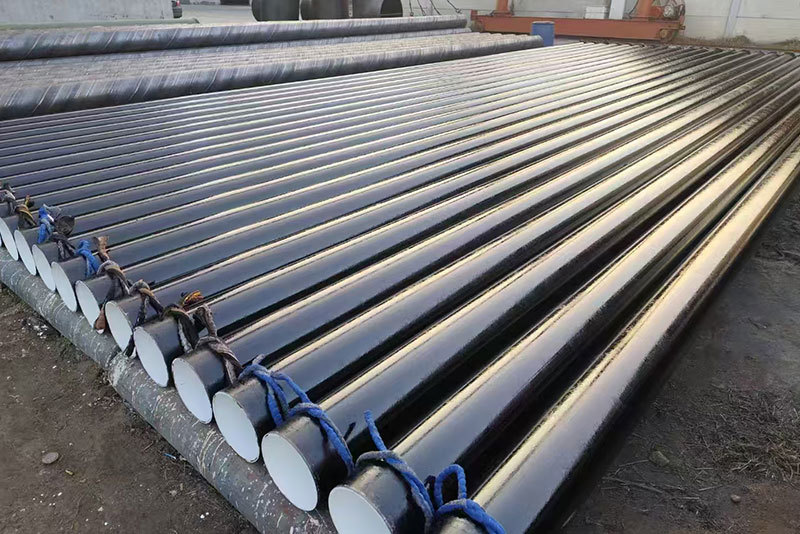
Exploring the Advantages of 3PE Steel Pipe in Pipeline Construction
Table of Contents
- 1. Introduction to 3PE Steel Pipes
- 2. What is 3PE Coating?
- 3. Benefits of 3PE Steel Pipes
- 3.1 Corrosion Resistance
- 3.2 Enhanced Durability
- 3.3 Cost-Effectiveness
- 3.4 Positive Environmental Impact
- 4. Applications of 3PE Steel Pipes
- 5. Installation and Maintenance of 3PE Steel Pipes
- 6. 3PE Steel Pipes vs. Other Piping Materials
- 7. The Future of 3PE Steel Pipes in Construction
- 8. FAQs about 3PE Steel Pipes
- 9. Conclusion
1. Introduction to 3PE Steel Pipes
In the ever-evolving landscape of construction and infrastructure projects, **3PE steel pipes** stand out as a robust solution for pipeline systems. The term "3PE" refers to a three-layer polyethylene coating that offers exceptional protection against corrosion, ensuring longevity and durability. This article dives into the compelling advantages of 3PE steel pipes, exploring how they enhance pipeline construction and serve various industries.
2. What is 3PE Coating?
3PE coating consists of three distinct layers:
1. **The first layer** is an epoxy primer that bonds with the steel surface, providing an excellent foundation for the subsequent layers.
2. **The second layer** is a high-density polyethylene (HDPE) layer, which acts as the primary protective barrier against moisture and environmental elements.
3. **The third layer** is an outer layer of adhesive, which further strengthens the bond and enhances overall durability.
This multi-layered approach not only protects against corrosion but also ensures that the pipes maintain their structural integrity over time.
3. Benefits of 3PE Steel Pipes
3PE steel pipes offer a myriad of advantages that make them a preferred choice for pipeline construction.
3.1 Corrosion Resistance
Corrosion is one of the most significant threats to the integrity of pipeline systems. The **3PE coating provides unparalleled corrosion resistance**, allowing these pipes to withstand harsh environmental conditions, including exposure to chemicals, moisture, and soil. This durability reduces the need for frequent replacements and repairs, saving time and money.
3.2 Enhanced Durability
The combination of the epoxy primer and HDPE layer creates a robust protective shield around the steel pipe. This durability ensures that **3PE steel pipes can endure mechanical stresses, external impacts, and extreme weather conditions**. As a result, they are ideal for various applications, from oil and gas transport to water supply systems.
3.3 Cost-Effectiveness
Investing in **3PE steel pipes** can lead to significant cost savings in the long run. Their durability and corrosion resistance mean that they require less maintenance and fewer replacements compared to traditional piping materials. Additionally, the reduced risk of leaks and failures translates to lower operational costs for businesses.
3.4 Positive Environmental Impact
The use of **3PE steel pipes** contributes to a more sustainable construction practice. Their longevity reduces waste generated from pipe replacements, and their ability to withstand environmental stresses minimizes the risk of leaks and contamination. This makes them a responsible choice for environmentally conscious projects.
4. Applications of 3PE Steel Pipes
3PE steel pipes are versatile and can be utilized across various sectors, including:
- **Oil and Gas Industry**: Transporting crude oil and natural gas while ensuring safety and compliance with industry standards.
- **Water Supply Systems**: Delivering potable water while preventing contamination and leakage.
- **Sewage and Drainage**: Providing robust solutions for waste management and drainage systems.
- **Industrial Applications**: Supporting the transport of chemicals and other industrial liquids.
5. Installation and Maintenance of 3PE Steel Pipes
Proper installation and maintenance are crucial for ensuring the longevity and effectiveness of 3PE steel pipes. Here are some key points to consider:
Installation Guidelines
- Ensure that the installation site is free from debris and sharp objects that could damage the pipes.
- Utilize appropriate fittings and connectors to maintain the integrity of the joints.
- Follow industry standards and practices to ensure that the installation adheres to local regulations.
Maintenance Tips
- Regularly inspect the pipes for signs of damage or wear.
- Clean the exterior of the pipes to prevent the accumulation of contaminants.
- Address any leaks or damages immediately to prevent further issues.
6. 3PE Steel Pipes vs. Other Piping Materials
When comparing **3PE steel pipes with other common materials**, several factors come into play:
Steel vs. PVC
While PVC pipes are lightweight and easy to install, they lack the durability and resistance to high temperatures that **3PE steel pipes** offer. Steel pipes are more suited for high-pressure applications.
Steel vs. Ductile Iron
Ductile iron pipes are known for their strength, but they are heavier and more expensive to install. In contrast, **3PE steel pipes** provide a balance of strength and cost-effectiveness, making them a more attractive option for many applications.
7. The Future of 3PE Steel Pipes in Construction
As technology advances, the future of **3PE steel pipes** looks promising. Innovations in coating techniques and materials will likely enhance their performance even further. With growing environmental concerns, the demand for sustainable and durable piping solutions will continue to rise, positioning 3PE steel pipes at the forefront of the industry.
8. FAQs about 3PE Steel Pipes
What is the lifespan of 3PE steel pipes?
The lifespan of **3PE steel pipes** can exceed 50 years, depending on the environmental conditions and maintenance practices.
Are 3PE steel pipes suitable for underground installations?
Yes, **3PE steel pipes** are ideal for underground installations due to their excellent corrosion resistance and durability.
Can 3PE coating be applied to existing steel pipes?
Yes, existing steel pipes can be retrofitted with a 3PE coating, provided they are properly cleaned and prepared for application.
What are the temperature limits for 3PE steel pipes?
**3PE steel pipes** can typically withstand temperatures ranging from -40°C to 80°C, making them suitable for a variety of applications.
How do 3PE steel pipes compare in terms of weight?
**3PE steel pipes** are heavier than PVC but lighter than ductile iron, providing a good balance between strength and manageability during installation.
9. Conclusion
In summary, **3PE steel pipes** represent a significant advancement in pipeline construction, offering a multitude of advantages such as corrosion resistance, enhanced durability, cost-effectiveness, and positive environmental impact. Their versatility allows for widespread applications across various industries, making them a preferred choice for modern infrastructure projects. As we look to the future, the continued evolution of 3PE technology will ensure that these pipes remain a vital component in effective and sustainable pipeline solutions. Investing in **3PE steel pipes** is not just a choice for today but a commitment to quality and reliability for the future.
TAG:
Related Posts

Understanding Plastic-Coated Steel Pipes for Efficient Sewage Systems







Address
Wuliyao Industrial Zone, Yanshan County, Cangzhou City, Hebei Province, China