
Understanding 3PE Steel Pipes for Efficient Water Transmission
Nov 20,2025
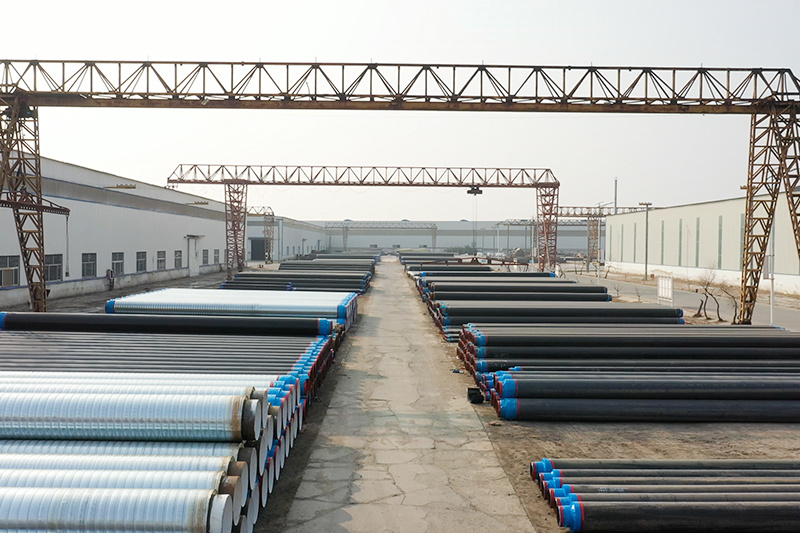
The structure of 3PE steel pipes consists of a steel base layer, which provides the necessary strength and pressure resistance. The first layer is an epoxy primer that helps in bonding the outer layers to the steel. The second layer is a high-density polyethylene (HDPE), which forms a robust barrier against external elements. Finally, the third layer is a polyethylene coat that adds an extra shield against physical wear and environmental conditions. This innovative coating system significantly extends the lifespan of the steel pipes and minimizes maintenance costs.
One of the primary advantages of using 3PE steel pipes for water transmission is their exceptional corrosion resistance. Traditional steel pipes often face issues like rust and deterioration when exposed to moisture, which can lead to leaks and system failures. However, with the protective 3PE coating, these pipes can withstand harsh conditions, ensuring a reliable water supply over long periods.
Additionally, 3PE steel pipes are designed to accommodate high pressure, making them ideal for various applications in urban water distribution systems. Their strength allows them to handle the demands of transporting water over long distances without compromising the integrity of the piping system. Furthermore, their lightweight nature compared to other piping materials facilitates easier handling and installation, reducing labor costs and project timelines.
Another aspect worth noting is the environmental impact of 3PE steel pipes. The materials used in their construction are often recyclable, aligning with eco-friendly initiatives in the construction industry. This characteristic makes them a sustainable option for builders looking to minimize their carbon footprint and promote responsible resource management.
In summary, 3PE steel pipes are an exceptional choice for water transmission applications due to their durability, corrosion resistance, and high-pressure capabilities. As the construction and decoration materials industry continues to evolve, the use of advanced piping solutions like 3PE steel pipes will play a vital role in ensuring efficient and sustainable water management systems. Whether for residential, commercial, or industrial uses, understanding the benefits of 3PE steel pipes is essential for making informed decisions in construction projects.
TAG:
Related Posts

Understanding Plastic-Coated Steel Pipes for Efficient Sewage Systems







Address
Wuliyao Industrial Zone, Yanshan County, Cangzhou City, Hebei Province, China