
Why Plastic-Coated Steel Pipes Are Essential for the Chemical Industry
Dec 05,2025

Why Plastic-Coated Steel Pipes Are Essential for the Chemical Industry
The chemical industry relies heavily on specialized materials to ensure efficiency, safety, and longevity in its operations. Among these materials, **plastic-coated steel pipes** have emerged as a vital component. These pipes are revolutionizing how chemical substances are transported, handled, and processed. In this article, we will delve into the importance of plastic-coated steel pipes, their advantages over traditional alternatives, their applications in the chemical sector, and the reasons why they are indispensable.
Table of Contents
- Understanding Plastic-Coated Steel Pipes
- Benefits of Plastic Coating for Steel Pipes
- Applications of Plastic-Coated Steel Pipes in the Chemical Industry
- Comparing Plastic-Coated Steel Pipes to Other Materials
- Factors Ensuring Performance and Longevity
- Safety Considerations in Using Plastic-Coated Steel Pipes
- Installation and Maintenance Best Practices
- Future Trends in Plastic-Coated Steel Pipe Technology
- Conclusion
- FAQs
Understanding Plastic-Coated Steel Pipes
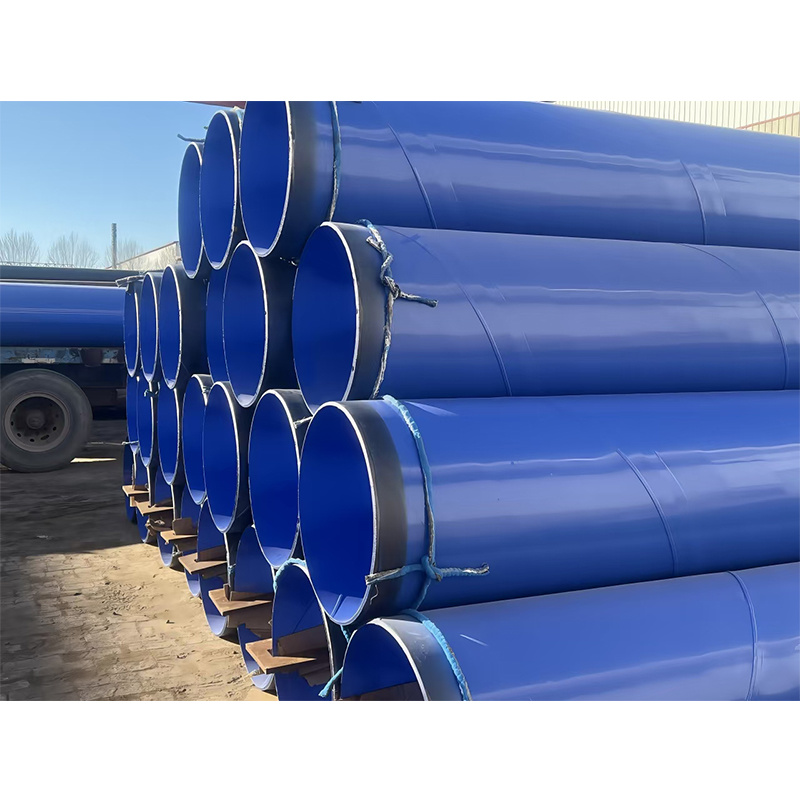
Plastic-coated steel pipes are essentially steel pipes that have undergone a coating process with various types of plastic, commonly polyethylene or polyvinyl chloride (PVC). This coating serves multiple purposes, including corrosion resistance, improved durability, and enhanced chemical compatibility. The primary function of these pipes is to transport fluids—whether gases, liquids, or slurries—while protecting the steel from the harsh conditions often present in chemical processing environments.
How are Plastic-Coated Pipes Made?
The manufacturing process of plastic-coated steel pipes involves several steps:
1. **Surface Preparation**: The steel pipe undergoes rigorous cleaning to remove any contaminants or rust that could affect adhesion.
2. **Coating Application**: The prepared pipe is then coated using methods like extrusion, where the plastic is melted and formed around the steel.
3. **Curing**: The coated pipes are cured in an oven to ensure the plastic adheres firmly to the steel and achieves its final properties.
4. **Quality Control**: Each pipe is rigorously tested for defects, ensuring that they meet industry standards.
This multi-step process ensures that the pipes achieve high performance and durability in challenging environments.
Benefits of Plastic Coating for Steel Pipes
The adoption of plastic-coated steel pipes in the chemical industry comes with an array of benefits that enhance their appeal.
1. Corrosion Resistance
One of the most significant advantages of plastic-coated steel pipes is their **corrosion resistance**. Chemicals and environmental factors can lead to rapid deterioration of uncoated steel. The plastic coating forms a barrier that protects the steel from corrosive agents, significantly extending the lifespan of the piping system.
2. Enhanced Durability
Plastic-coated pipes are designed to withstand extreme conditions, including high pressure and temperature variations. The flexibility of plastic combined with the strength of steel offers a robust solution that can endure mechanical stresses without compromising structural integrity.
3. Improved Chemical Compatibility
Different chemicals require specific materials to avoid reactions that could lead to leaks or failures. Plastic coatings enhance the compatibility of steel pipes with various chemicals, making them suitable for transporting aggressive substances without degradation.
4. Reduced Maintenance Costs
Due to their durability and corrosion resistance, plastic-coated steel pipes require less frequent maintenance and replacement. This translates to lower operational costs over time, particularly in large-scale industrial applications where downtime can be very costly.
5. Lightweight
The plastic coating also contributes to a reduction in the overall weight of the pipes. This lightweight feature makes installation and handling more manageable, allowing for easier transportation and reduced installation costs.
Applications of Plastic-Coated Steel Pipes in the Chemical Industry
Plastic-coated steel pipes are utilized in a wide range of applications within the chemical industry.
1. Transportation of Hazardous Chemicals
These pipes are ideal for transporting hazardous materials, including acids, bases, and corrosive liquids. The plastic coating provides an extra layer of safety, preventing leaks and spills that could lead to environmental contamination or accidents.
2. Wastewater Management
In chemical processing plants, wastewater management is critical. Plastic-coated steel pipes are used to handle and transport wastewater, ensuring that the pipes remain intact while carrying corrosive effluents that would degrade traditional piping materials.
3. Storage Solutions
Plastic-coated steel pipes are also employed in storage tanks and silos where chemical storage is necessary. Their resistance to corrosion and chemical compatibility makes them suitable for holding aggressive substances safely.
4. Heat Exchangers
In heat exchange applications, where temperature regulation is crucial, plastic-coated steel pipes offer the durability and resistance required to function efficiently over long periods.
5. Process Equipment
Chemical processing equipment often incorporates plastic-coated pipes to maintain integrity under various operational conditions, ensuring efficiency and safety.
Comparing Plastic-Coated Steel Pipes to Other Materials
When assessing piping materials for the chemical industry, it's essential to compare plastic-coated steel pipes with other commonly used materials.
1. Traditional Steel Pipes
Traditional steel pipes are prone to rust and corrosion when exposed to harsh chemicals. In contrast, plastic-coated steel pipes provide a protective barrier that dramatically increases longevity.
2. Plastic Pipes
While plastic pipes are inherently resistant to corrosion, they may not withstand high pressures and temperatures as effectively as steel. In many cases, the combination of steel strength with plastic's protective qualities makes plastic-coated steel pipes the superior choice.
3. Copper Pipes
Copper pipes are known for their excellent thermal conductivity; however, they can corrode when exposed to certain chemicals. Plastic-coated steel pipes, on the other hand, offer more versatility and resistance to a wider range of corrosive substances.
Factors Ensuring Performance and Longevity
To maximize the benefits of plastic-coated steel pipes, several factors must be considered.
1. Quality of Coating
The quality of the plastic coating directly affects the performance and longevity of the pipes. High-quality coatings ensure better adhesion and durability.
2. Correct Sizing and Selection
Choosing the appropriate size and type of pipe for specific applications is crucial to ensure optimal performance. Factors such as flow rate, temperature, and chemical composition should guide the selection process.
3. Regular Inspections
Routine inspections help identify potential issues before they escalate. Regular maintenance ensures that any degradation in the coating or structural integrity is addressed promptly.
Safety Considerations in Using Plastic-Coated Steel Pipes
Safety is paramount in the chemical industry, and plastic-coated steel pipes contribute significantly to a safer working environment.
1. Leak Prevention
The robust nature of plastic-coated pipes minimizes the risk of leaks, which is essential when handling hazardous materials. This protection helps maintain compliance with safety regulations.
2. Fire Resistance
In environments where fire risks are present, plastic-coated steel pipes can offer some degree of fire resistance, helping to mitigate the spread of flames in the event of an emergency.
3. Worker Safety
By reducing the likelihood of chemical spills and leaks, plastic-coated pipes contribute to a safer workplace for employees, minimizing health risks associated with exposure to toxic substances.
Installation and Maintenance Best Practices
Proper installation and maintenance practices are crucial for ensuring the effectiveness and longevity of plastic-coated steel pipes.
1. Professional Installation
Engaging trained professionals for installation is essential to ensure adherence to industry standards. Properly installed pipes will perform better and last longer.
2. Regular Maintenance Checks
Conducting regular maintenance checks can identify wear and tear early, allowing for timely repairs or replacements to mitigate more extensive damage.
3. Proper Handling
During installation and maintenance, pipes should be handled with care to avoid damaging the coating. Any scratches or chips in the coating should be repaired promptly.
Future Trends in Plastic-Coated Steel Pipe Technology
As technology evolves, so too does the development of plastic-coated steel pipes.
1. Advanced Coating Technologies
Innovations in coating technologies are expected to enhance adhesion, durability, and resistance to extreme conditions, further solidifying the role of plastic-coated pipes in the chemical industry.
2. Smart Pipe Solutions
The integration of smart technology into piping systems is on the rise. Sensors that monitor pressure, temperature, and potential leaks could become standard features, improving safety and efficiency.
3. Sustainable Materials
With growing emphasis on sustainability, future developments may explore eco-friendly materials for coatings, ensuring that the environmental impact of chemical processes is minimized.
Conclusion
In summary, plastic-coated steel pipes are an essential component of the chemical industry, providing unparalleled benefits in durability, safety, and efficiency. Their unique properties make them suitable for a range of applications, from transportation to storage of hazardous materials. As technology advances, we can expect further enhancements in their design and functionality, ensuring they remain a cornerstone of safe and effective chemical processing.
FAQs
1. What are plastic-coated steel pipes made of?
Plastic-coated steel pipes are made of steel that is coated with a layer of plastic, typically polyethylene or PVC, to enhance their corrosion resistance and durability.
2. How do plastic-coated steel pipes compare to regular steel pipes?
Plastic-coated steel pipes offer superior corrosion resistance and longevity compared to regular steel pipes, making them more suitable for chemical applications.
3. Can plastic-coated steel pipes handle high temperatures?
Yes, plastic-coated steel pipes are designed to withstand high temperatures, depending on the type of plastic used for the coating.
4. Are plastic-coated steel pipes environmentally friendly?
While plastic-coated steel pipes enhance safety and reduce leaks, the environmental impact depends on the specific materials used and their disposal methods.
5. How often should plastic-coated steel pipes be inspected?
Routine inspections should be conducted regularly, typically annually, to ensure the integrity and performance of the pipes, especially in harsh chemical environments.
TAG:
Related Posts

Understanding Plastic-Coated Steel Pipes for Efficient Sewage Systems







Address
Wuliyao Industrial Zone, Yanshan County, Cangzhou City, Hebei Province, China