
Exploring the Benefits of Using Plastic-Coated Steel Pipes in Farming
Feb 19,2026
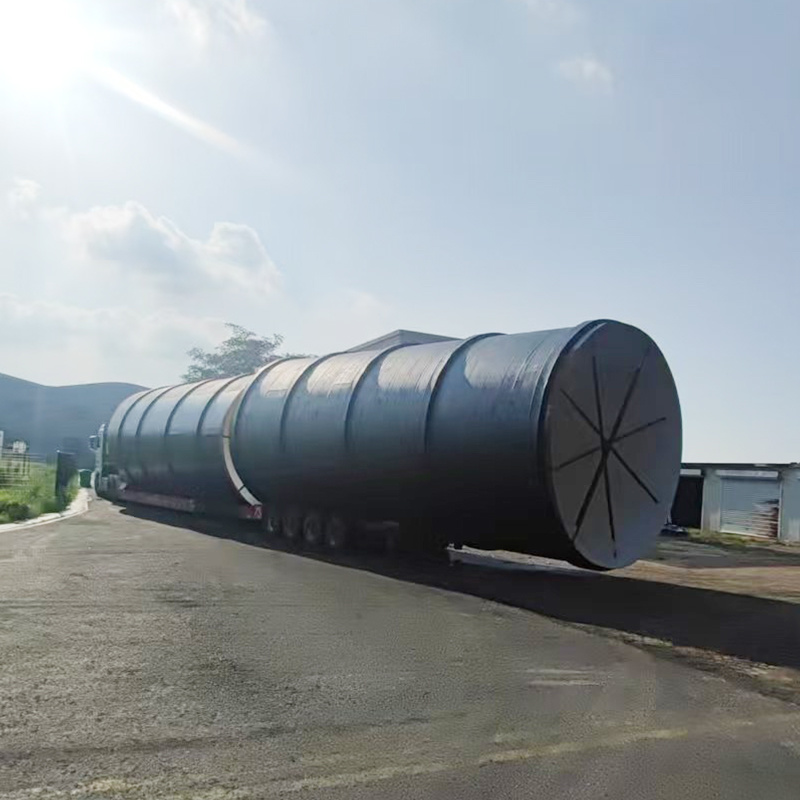
Exploring the Benefits of Using Plastic-Coated Steel Pipes in Farming
Table of Contents
- Introduction to Plastic-Coated Steel Pipes
- Advantages of Plastic-Coated Steel Pipes in Farming
- 1.1 Durability and Longevity
- 1.2 Corrosion Resistance
- 1.3 Low Maintenance Requirements
- 1.4 Cost-Effectiveness Over Time
- Applications of Plastic-Coated Steel Pipes in Agriculture
- Environmental Benefits
- Installation and Handling of Plastic-Coated Steel Pipes
- The Future of Plastic-Coated Steel Pipes in Farming
- FAQs
- Conclusion
Introduction to Plastic-Coated Steel Pipes
In the quest for efficiency and sustainability in farming, one of the innovations leading the way is **plastic-coated steel pipes**. These pipes combine the strength of steel with the protective qualities of plastic coatings, creating a highly effective solution for various agricultural applications. As farming practices evolve, understanding the unique benefits of plastic-coated steel pipes becomes essential for farmers looking to optimize their operations.
Advantages of Plastic-Coated Steel Pipes in Farming
1.1 Durability and Longevity
One of the standout features of plastic-coated steel pipes is their **durability**. Unlike traditional piping materials, these pipes can withstand harsh environmental conditions, including extreme temperatures and heavy impacts. The steel core provides a strong foundation, while the plastic coating offers an additional layer of protection. As a result, farmers can expect these pipes to have a significantly longer lifespan, reducing the need for frequent replacements.
1.2 Corrosion Resistance
Corrosion can be a major issue in agricultural settings, particularly where water and chemicals are involved. Plastic-coated steel pipes are designed to resist corrosion, thanks to their protective coatings. This feature is vital for farmers who use irrigation systems or other water management practices, as it ensures that the pipes remain functional and effective over time, preventing leaks and water loss.
1.3 Low Maintenance Requirements
Another benefit of plastic-coated steel pipes is their **low maintenance** requirements. Once installed, these pipes require minimal upkeep, freeing up time and resources for farmers to focus on other critical areas of their operations. This advantage is particularly beneficial in large-scale farming operations, where maintaining equipment can become a significant burden.
1.4 Cost-Effectiveness Over Time
While the initial investment in plastic-coated steel pipes may be higher than other materials, their long-term cost-effectiveness is undeniable. Due to their durability and corrosion resistance, farmers can experience reduced replacement costs and maintenance expenses over the lifespan of the pipes. This characteristic positions plastic-coated steel pipes as a smart financial choice for those looking to invest in reliable and efficient farming infrastructure.
Applications of Plastic-Coated Steel Pipes in Agriculture
Plastic-coated steel pipes find a wide range of applications across various farming practices, contributing to increased efficiency and productivity.
2.1 Irrigation Systems
One of the primary uses of plastic-coated steel pipes is in irrigation systems. These pipes can effectively transport water to crops while withstanding the pressure and potential damage from water flow. Their corrosion resistance ensures that the pipes will not degrade over time, maintaining the integrity of the irrigation system and ensuring optimal water delivery to plants.
2.2 Supporting Structures
In addition to their use in irrigation, plastic-coated steel pipes serve as essential components in various supporting structures within farming operations. Whether used in greenhouse framing, fencing, or even in the construction of barns and storage facilities, these pipes provide the strength and durability needed to support agricultural infrastructure.
Environmental Benefits
Farming practices are increasingly focused on sustainability and minimizing environmental impact. Plastic-coated steel pipes contribute to these efforts by reducing the need for frequent replacements, which ultimately leads to less waste. Furthermore, their durability means that fewer resources are consumed in manufacturing and transporting replacement pipes. Investing in plastic-coated steel pipes aligns with the growing trend towards environmentally responsible farming practices.
Installation and Handling of Plastic-Coated Steel Pipes
Installing plastic-coated steel pipes requires careful consideration and planning. Farmers should ensure that the ground is appropriately prepared to avoid damaging the pipes during installation. It's essential to follow manufacturer guidelines for installation to maximize the benefits of the pipes. Moreover, proper handling techniques will help maintain the integrity of the plastic coating, ensuring long-lasting performance.
The Future of Plastic-Coated Steel Pipes in Farming
As technology continues to advance, the future of plastic-coated steel pipes in farming looks promising. Innovations in materials and manufacturing processes are likely to further enhance the durability and efficiency of these pipes. As farmers increasingly seek solutions that combine strength, efficiency, and sustainability, plastic-coated steel pipes will likely become a standard choice in agricultural applications.
FAQs
1. What are plastic-coated steel pipes made of?
Plastic-coated steel pipes consist of a steel core that is coated with a layer of plastic, providing protection against corrosion and environmental conditions.
2. How long do plastic-coated steel pipes last?
With proper installation and maintenance, plastic-coated steel pipes can last several decades, significantly longer than traditional piping materials.
3. Are plastic-coated steel pipes suitable for all types of farming?
Yes, these pipes are versatile and suitable for a wide range of farming applications, including irrigation, structural support, and more.
4. Do plastic-coated steel pipes require special handling during installation?
While they do not require specialized equipment, care should be taken to avoid damaging the plastic coating during installation.
5. How do plastic-coated steel pipes contribute to sustainable farming practices?
By reducing the need for replacements and minimizing waste, plastic-coated steel pipes support sustainable farming efforts and promote environmental responsibility.
Conclusion
In summary, plastic-coated steel pipes offer numerous benefits for modern farming practices. Their durability, corrosion resistance, low maintenance requirements, and cost-effectiveness make them an ideal choice for farmers looking to enhance their agricultural operations. Furthermore, their applications extend beyond irrigation, serving as vital components in various farming structures. As the industry moves towards sustainability, plastic-coated steel pipes will undoubtedly play a significant role in shaping the future of farming. Embracing this innovative solution can lead to more efficient, reliable, and environmentally responsible agricultural practices.
TAG:
Related Posts

Understanding Plastic-Coated Steel Pipes for Efficient Sewage Systems







Address
Wuliyao Industrial Zone, Yanshan County, Cangzhou City, Hebei Province, China