
The Essential Guide to 3PE Steel Pipes in Pipeline Projects
Mar 12,2026
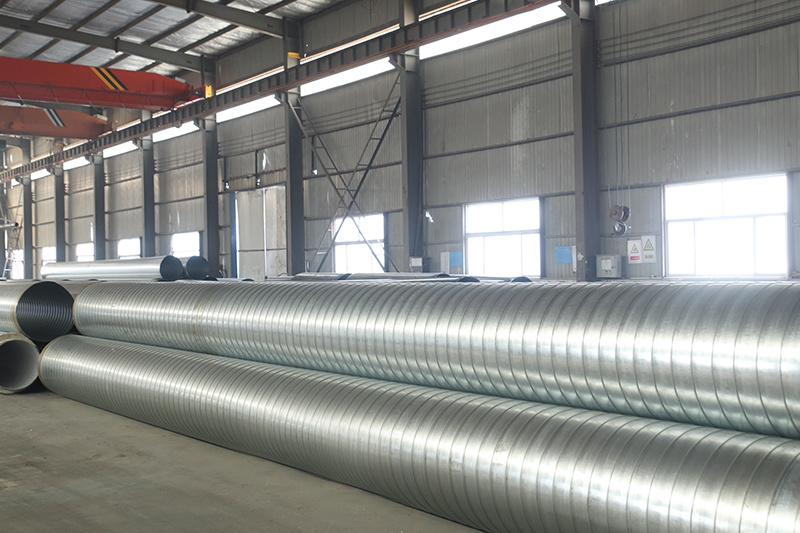
3PE steel pipes, or Three-layer Polyethylene coated pipes, have emerged as a vital component in pipeline projects, particularly in the construction and decoration materials industry, specifically within the realm of steel piping. These pipes are characterized by their unique three-layer structure, consisting of an epoxy primer, a copolymer adhesive, and a polyethylene outer layer. This sophisticat
3PE steel pipes, or Three-layer Polyethylene coated pipes, have emerged as a vital component in pipeline projects, particularly in the construction and decoration materials industry, specifically within the realm of steel piping. These pipes are characterized by their unique three-layer structure, consisting of an epoxy primer, a copolymer adhesive, and a polyethylene outer layer. This sophisticated design not only enhances the durability and longevity of the pipes but also offers superior protection against corrosion and environmental factors.
One of the primary advantages of 3PE steel pipes is their exceptional corrosion resistance. The polyethylene layer acts as a reliable barrier against moisture, chemicals, and other corrosive elements, which is particularly important in harsh environments or areas with high humidity. This feature significantly reduces the maintenance costs associated with pipeline projects, as the likelihood of corrosion-related failures is substantially minimized.
In addition to corrosion resistance, 3PE steel pipes are also lightweight compared to traditional steel pipes, making them easier to handle and install. This reduction in weight can lead to lower transportation costs and quicker installation times, which are critical factors in the planning and execution of pipeline projects. The faster installation times can result in project timelines being shortened, allowing for more efficient resource allocation and project management.
Another noteworthy benefit of 3PE steel pipes is their versatility. They can be used in various applications, including water supply, gas distribution, and even in industrial settings. Their adaptability makes them an ideal choice for engineers and project managers seeking a reliable solution for a wide range of pipeline requirements.
Furthermore, the environmental impact of 3PE steel pipes should not be overlooked. The use of these pipes supports sustainability efforts within the construction industry. Their long lifespan and low maintenance needs contribute to reduced waste and fewer resource requirements over time. This aligns well with global efforts to promote eco-friendly practices in construction and infrastructure development.
In summary, 3PE steel pipes represent a modern solution for pipeline projects, offering remarkable benefits such as enhanced corrosion resistance, reduced weight, versatility, and sustainability. These qualities make them an indispensable choice for professionals in the building and materials sector, ensuring that projects are executed efficiently and effectively. As you consider the materials for your next pipeline project, it is clear that 3PE steel pipes are a compelling option worth exploring.
One of the primary advantages of 3PE steel pipes is their exceptional corrosion resistance. The polyethylene layer acts as a reliable barrier against moisture, chemicals, and other corrosive elements, which is particularly important in harsh environments or areas with high humidity. This feature significantly reduces the maintenance costs associated with pipeline projects, as the likelihood of corrosion-related failures is substantially minimized.
In addition to corrosion resistance, 3PE steel pipes are also lightweight compared to traditional steel pipes, making them easier to handle and install. This reduction in weight can lead to lower transportation costs and quicker installation times, which are critical factors in the planning and execution of pipeline projects. The faster installation times can result in project timelines being shortened, allowing for more efficient resource allocation and project management.
Another noteworthy benefit of 3PE steel pipes is their versatility. They can be used in various applications, including water supply, gas distribution, and even in industrial settings. Their adaptability makes them an ideal choice for engineers and project managers seeking a reliable solution for a wide range of pipeline requirements.
Furthermore, the environmental impact of 3PE steel pipes should not be overlooked. The use of these pipes supports sustainability efforts within the construction industry. Their long lifespan and low maintenance needs contribute to reduced waste and fewer resource requirements over time. This aligns well with global efforts to promote eco-friendly practices in construction and infrastructure development.
In summary, 3PE steel pipes represent a modern solution for pipeline projects, offering remarkable benefits such as enhanced corrosion resistance, reduced weight, versatility, and sustainability. These qualities make them an indispensable choice for professionals in the building and materials sector, ensuring that projects are executed efficiently and effectively. As you consider the materials for your next pipeline project, it is clear that 3PE steel pipes are a compelling option worth exploring.
TAG:
Related Posts
Understanding Plastic-Coated Steel Pipes for Efficient Sewage Systems
Plastic-coated steel pipes have gained significant attention in the construction industry, particularly in the context of sewage systems. These pipes combine the inherent strength of steel with the protective qualities of plastic, making them an excellent choice for various applications in building and decorating materials.
One of the primary advantages of using plastic-coated steel pipes in sewag