
Understanding the Installation Techniques for Plastic-Coated Steel Pipes in Marine Environments
Apr 02,2026
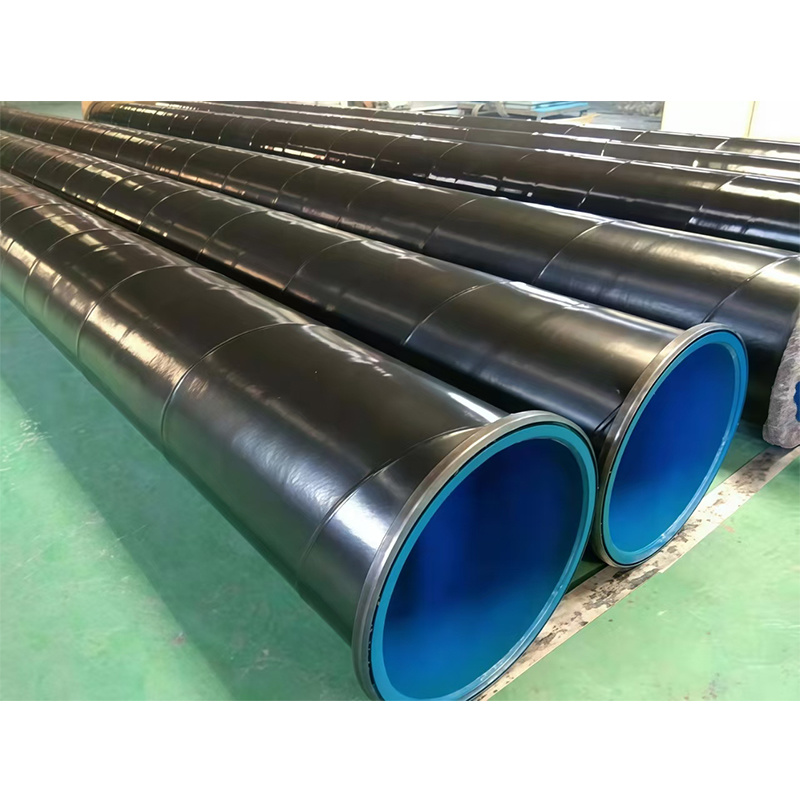
Understanding the Installation Techniques for Plastic-Coated Steel Pipes in Marine Environments
Table of Contents
- 1. Introduction to Plastic-Coated Steel Pipes
- 2. Challenges of Marine Environments
- 3. Benefits of Plastic-Coated Steel Pipes
- 4. Preparing for Installation
- 5. Key Installation Techniques
- 6. Maintenance Practices for Longevity
- 7. Common Installation Issues and Solutions
- 8. Frequently Asked Questions
- 9. Conclusion
1. Introduction to Plastic-Coated Steel Pipes
Plastic-coated steel pipes are increasingly popular in various industries, particularly within marine environments. These pipes combine the strength of steel with a protective layer of plastic, offering excellent resistance to corrosion, abrasion, and other harsh conditions. Understanding the correct installation techniques for these pipes is crucial to ensure their longevity and effectiveness. This article serves as a comprehensive guide to the installation and maintenance of plastic-coated steel pipes in marine settings.
2. Challenges of Marine Environments
Marine environments pose unique challenges that can affect the integrity and performance of piping systems. The following factors must be considered:
Corrosive Salinity
The presence of saltwater significantly increases the risk of corrosion. Traditional steel pipes often succumb to rust and degradation over time. Plastic coatings serve to mitigate some of these effects, but it is essential to ensure proper installation to maximize their protective capabilities.
Temperature Variations
Marine environments often experience significant temperature fluctuations. These variations can cause materials to expand and contract, stressing joints and connections. Proper installation techniques can help accommodate these changes and prevent damage.
Marine Growth
Biofouling, or the accumulation of marine organisms on surfaces, can affect the flow and efficiency of piping systems. Ensuring smooth surfaces and proper maintenance can help reduce these impacts.
3. Benefits of Plastic-Coated Steel Pipes
The advantages of utilizing plastic-coated steel pipes in marine applications are numerous:
Enhanced Durability
The plastic coating provides a robust barrier against corrosive elements, ensuring the pipes maintain their structural integrity for longer periods.
Lower Maintenance Costs
Due to their resistance to corrosion and other environmental factors, plastic-coated steel pipes require less frequent maintenance and replacement, leading to significant cost savings.
Improved Flow Characteristics
The smooth interior of plastic-coated pipes reduces friction, allowing for better flow rates and reduced energy consumption.
4. Preparing for Installation
Before beginning the installation of plastic-coated steel pipes, several preparatory steps should be taken:
Material Selection
Select the right type of plastic-coated steel pipe based on the specific requirements of the project. Consider factors such as diameter, length, and coating thickness to ensure the pipes meet installation criteria.
Site Assessment
Conduct a thorough site assessment to identify potential hazards and environmental conditions that could impact installation. This assessment should include soil type, water salinity, and existing infrastructure.
Tools and Equipment
Gather all necessary tools and equipment prior to installation. This may include pipe cutters, welders, supports, and protective gear. Ensuring all tools are in working condition will expedite the installation process.
5. Key Installation Techniques
The installation of plastic-coated steel pipes requires careful attention to detail to ensure optimal performance. Here are some key techniques:
Joint Preparation
Properly prepare joints by cleaning both the pipe and fittings to remove any contaminants. This ensures a strong connection and prevents future leaks.
Use of Support Structures
In marine environments, it is essential to use appropriate support structures to hold pipes securely in place. This reduces movement caused by water currents and temperature changes.
Sealing Connections
Utilize high-quality sealants or gaskets to ensure airtight connections. Water can quickly infiltrate poorly sealed joints, leading to corrosion and damage.
Proper Alignment
Ensure pipes are properly aligned during installation to prevent undue stress on joints. Misalignment can lead to leaks and mechanical failure over time.
Testing and Inspection
After installation, conduct thorough testing and inspection of the piping system. Pressurizing the system can help identify leaks or weaknesses before the system goes into full operation.
6. Maintenance Practices for Longevity
Regular maintenance is essential to maximize the lifespan of plastic-coated steel pipes in marine environments:
Routine Inspections
Schedule periodic inspections to assess the condition of both the pipes and their protective coatings. Early detection of wear can prevent costly repairs.
Cleaning Techniques
Implement cleaning protocols to remove any marine growth or buildup that may obstruct flow. High-pressure washing or chemical treatments can be effective.
Monitoring Environmental Conditions
Keep an eye on environmental factors such as salinity and temperature, as these can impact the performance of the piping system over time.
7. Common Installation Issues and Solutions
Despite careful planning, installation challenges can arise. Here are some common issues and their solutions:
Pipe Misalignment
If pipes are misaligned during installation, it may cause leaks or mechanical failure. Reassess the installation and realign as necessary, ensuring all supports are correctly positioned.
Insufficient Sealing
Poorly sealed connections can lead to water infiltration. Ensure that all joints are adequately sealed with the appropriate sealants or gaskets.
Corrosion Under Coating
If corrosion occurs beneath the plastic coating, it can compromise the pipe's integrity. Regular inspections can help identify such issues early; consider re-coating or replacing affected sections.
8. Frequently Asked Questions
What are plastic-coated steel pipes?
Plastic-coated steel pipes are steel pipes coated with a layer of plastic to provide corrosion resistance and enhanced durability, especially in harsh environments such as marine settings.
How do I choose the right plastic-coated steel pipe for marine use?
Consider factors such as the pipe's diameter, length, coating thickness, and the specific environmental conditions it will face. Consulting an expert can also help in making the best choice.
What maintenance is required for plastic-coated steel pipes?
Routine inspections, cleaning to remove marine growth, and monitoring the environmental conditions are crucial maintenance practices to ensure longevity.
Can plastic-coated steel pipes be welded?
Yes, but special care must be taken to avoid damaging the plastic coating. Welding should be done cautiously, and any areas where the coating is damaged should be repaired immediately.
How can I ensure a successful installation?
Ensuring proper alignment, using quality sealants, and thorough testing post-installation are key factors in achieving a successful installation of plastic-coated steel pipes.
9. Conclusion
The installation of plastic-coated steel pipes in marine environments requires careful planning, execution, and maintenance. By understanding the unique challenges posed by these environments and implementing best practices for installation and upkeep, professionals can ensure the durability and effectiveness of these piping systems. Investing time and resources into proper techniques not only enhances the performance of the pipes but also saves costs in the long run, making it a smart choice for marine applications.
TAG:
Related Posts

Understanding Plastic-Coated Steel Pipes for Efficient Sewage Systems







Address
Wuliyao Industrial Zone, Yanshan County, Cangzhou City, Hebei Province, China