
Why Thermal Insulation Pipes Are Essential for Modern Construction
Mar 20,2025
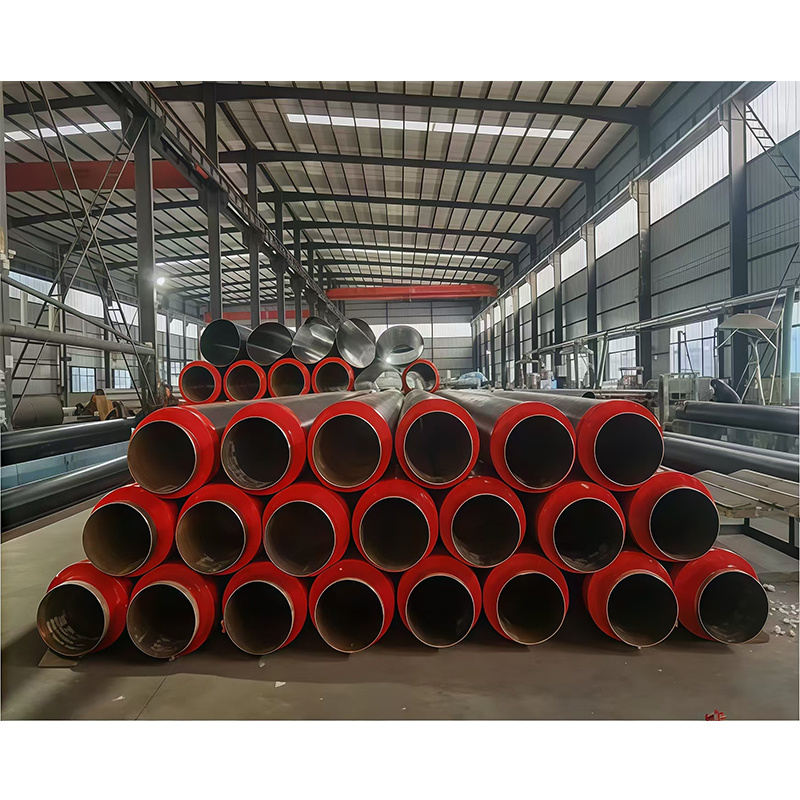
1. Introduction to Thermal Insulation Pipes
best thermal insulation pipes are specialized products designed to minimize heat transfer between the pipe's contents and the external environment. These pipes are integral to various systems, including heating, ventilation, and air conditioning (HVAC), plumbing, and industrial processes. As modern construction evolves, the demand for efficient thermal insulation solutions becomes increasingly significant. This article explores the necessity of thermal insulation pipes, their types, benefits, applications, and future trends.
2. The Importance of Thermal Insulation in Construction
In a world where energy conservation and sustainability are at the forefront of construction practices, thermal insulation pipes have become indispensable. Proper insulation helps regulate temperatures, ensuring comfort in living and working spaces while significantly reducing energy consumption. The modern construction industry faces challenges related to rising energy costs and environmental regulations, making effective thermal insulation a critical focus.
3. Types of Thermal Insulation Pipes
Various materials and designs offer unique properties for thermal insulation. Choosing the right type of insulation pipe depends on factors such as application, environmental conditions, and budget.
3.1. Foam Insulation Pipes
Foam insulation pipes are made from polymer-based materials, offering excellent thermal resistance. Their lightweight nature and flexibility make them easy to install, particularly in tight spaces. These pipes are commonly used in residential applications, where energy efficiency is a priority.
3.2. Fiberglass Insulation Pipes
Fiberglass insulation pipes consist of glass fibers, providing superb thermal performance. They are suitable for high-temperature applications and are often used in commercial buildings and industrial settings. Their durability and resistance to moisture make them an ideal choice for various construction environments.
3.3. Mineral Wool Insulation Pipes
Mineral wool insulation pipes are made from natural or recycled materials, offering excellent thermal and acoustic insulation. They are fire-resistant and eco-friendly, making them suitable for both residential and industrial applications. Their ability to withstand high temperatures makes them a preferred choice in boiler systems and other heat-intensive environments.
4. Benefits of Using Thermal Insulation Pipes
Incorporating thermal insulation pipes into construction projects yields numerous benefits, not only for building performance but also for long-term sustainability.
4.1. Energy Efficiency
One of the primary advantages of thermal insulation pipes is their contribution to energy efficiency. Insulation helps maintain desired temperatures, reducing the load on heating and cooling systems. This leads to significant energy savings and lower utility bills for homeowners and businesses alike.
4.2. Environmental Impact
Using thermal insulation pipes aligns with global efforts to reduce carbon footprints and promote sustainability. Efficient insulation minimizes energy consumption, resulting in fewer greenhouse gas emissions. Furthermore, many insulation materials are eco-friendly, contributing to a greener construction industry.
4.3. Cost-Effectiveness
Investing in high-quality thermal insulation pipes can lead to substantial long-term savings. The initial cost of insulation is often offset by reduced energy bills and extended lifespan of HVAC systems. Additionally, buildings with effective insulation may qualify for energy efficiency tax credits and rebates.
5. Applications of Thermal Insulation Pipes in Modern Construction
Thermal insulation pipes find their applications across various sectors, enhancing functionality and energy management in different building types.
5.1. Residential Buildings
In residential construction, thermal insulation pipes are crucial for plumbing systems, heating systems, and even air conditioning. Proper insulation prevents heat loss in winter and keeps homes cool during summer, creating a comfortable living environment.
5.2. Commercial Buildings
Commercial buildings often have complex HVAC systems that require effective thermal insulation to operate efficiently. Insulated pipes help control temperature fluctuations and improve air quality, leading to a healthier workspace for employees and clients.
5.3. Industrial Facilities
In industrial settings, thermal insulation pipes are essential for processing fluids at controlled temperatures. They help maintain the integrity of materials, improve operational efficiency, and ensure safety within facilities dealing with heat-intensive processes.
6. Installation and Maintenance of Thermal Insulation Pipes
Proper installation and regular maintenance are vital for ensuring the effectiveness of thermal insulation pipes. It is recommended to engage professionals who specialize in insulation installation to minimize issues and ensure compliance with building codes. Regular inspections can help identify any damage or deterioration, allowing for timely repairs.
7. Future Trends in Thermal Insulation Technologies
The construction industry is gradually embracing innovative technologies aimed at enhancing thermal insulation. Developments in smart insulation systems and sustainable materials are on the rise. These trends promise to revolutionize how thermal insulation is applied, further improving building energy efficiency and reducing environmental impact.
Thermal insulation pipes wholesale are an essential component of modern construction, playing a pivotal role in enhancing energy efficiency, reducing environmental impact, and ensuring cost-effectiveness. As the industry continues to evolve, the significance of thermal insulation will only increase, paving the way for innovative solutions that cater to the growing need for sustainable and efficient building practices. Understanding the various types, benefits, and applications of thermal insulation pipes is crucial for anyone involved in construction, whether as a professional, contractor, or homeowner. By investing in quality thermal insulation, we can contribute to a greener future while enjoying the numerous advantages it offers in our built environment.
TAG:
Related Posts

Understanding Plastic-Coated Steel Pipes for Efficient Sewage Systems







Address
Wuliyao Industrial Zone, Yanshan County, Cangzhou City, Hebei Province, China