
Understanding Thermal Insulated Steel Pipe Exporters: Enhancing Building Efficiency
May 14,2025
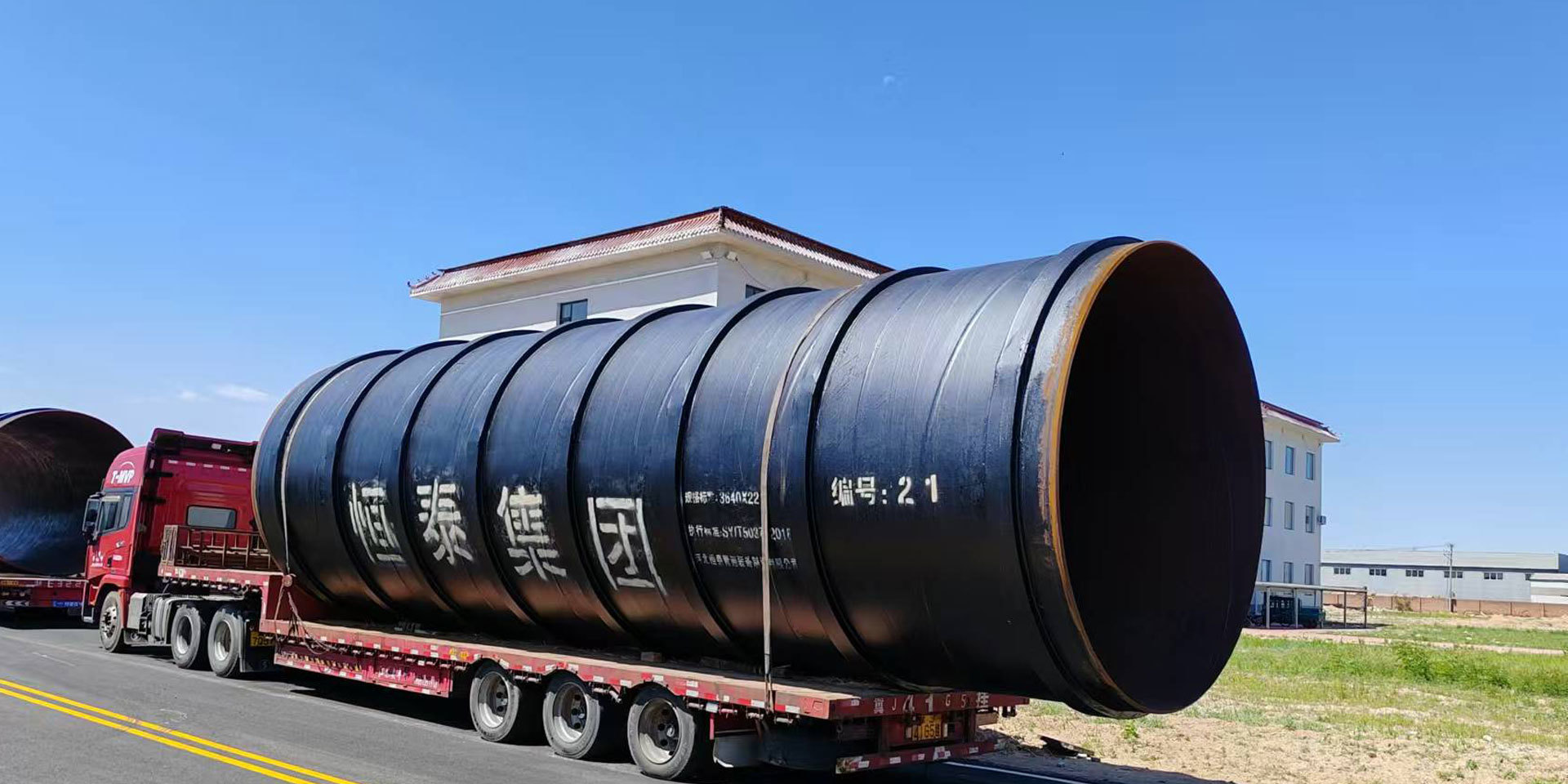
Thermal insulated steel pipes are a critical component in the construction and decoration industry, particularly in the sector of building materials. These pipes are specifically designed to minimize heat transfer, making them an ideal choice for various applications, including heating, cooling, and plumbing systems. As an exporter of thermal insulated steel pipes, it is essential to understand their properties, benefits, and the growing demand in the global market.
One of the primary advantages of thermal insulated steel pipes is their ability to maintain temperature stability within the systems they are connected to. This is crucial for reducing energy consumption, as less energy is required to heat or cool a space when the temperature is consistently maintained. This property makes them particularly beneficial in areas with extreme climates, where temperature control is vital for comfort and energy efficiency.
Moreover, thermal insulation helps prevent condensation, which can lead to corrosion and other structural issues in steel piping. By incorporating thermal insulation into steel pipes, the longevity of the piping system is enhanced, reducing maintenance costs and the need for frequent replacements. This durability is especially important in large-scale construction projects where cost overruns can be a significant concern.
The market for thermal insulated steel pipe exporters has seen substantial growth due to increased awareness of energy efficiency and sustainability in construction practices. Building regulations worldwide are increasingly favoring materials that reduce energy consumption and carbon footprints. As such, thermal insulated steel pipes have become a preferred choice among architects and engineers looking to design eco-friendly buildings.
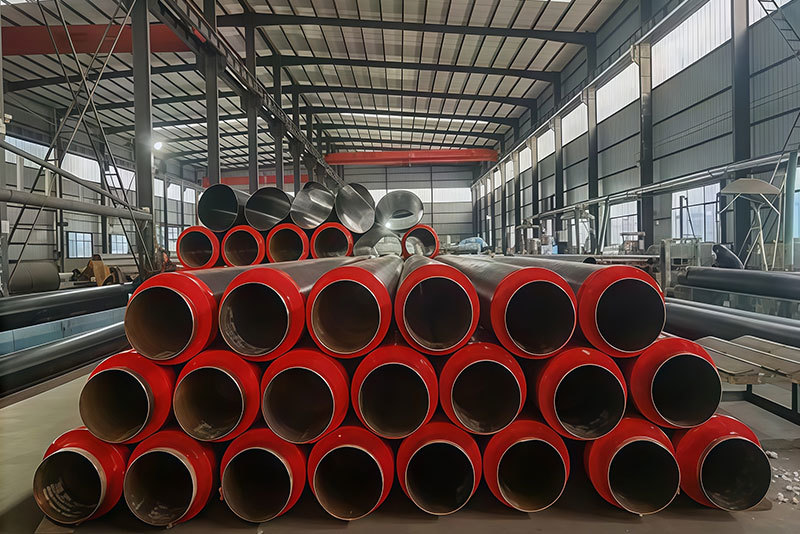
Exporters in this niche must ensure that their products meet international standards for quality and insulation performance. This often involves collaborating with manufacturers who specialize in high-quality insulation materials, such as polyurethane or fiberglass, which enhance the thermal performance of steel pipes. Additionally, understanding the specific needs of different markets can help exporters tailor their offerings and improve customer satisfaction.
In conclusion, thermal insulated steel pipe exporters play a vital role in modern construction by providing materials that contribute to energy efficiency, durability, and sustainability. The increasing demand for these pipes reflects a broader trend towards more responsible building practices. As a key player in this industry, being knowledgeable about the benefits and applications of thermal insulated steel pipes can help exporters effectively communicate their value to clients and stakeholders. This approach will not only enhance their market position but also contribute positively to global efforts aimed at building a more sustainable future.
TAG:
Previous
Related Posts

Understanding Plastic-Coated Steel Pipes for Efficient Sewage Systems







Address
Wuliyao Industrial Zone, Yanshan County, Cangzhou City, Hebei Province, China