
Discover the Advantages of Premium Pre-Insulated Steel Pipes for Your Next Construction Project
May 13,2025
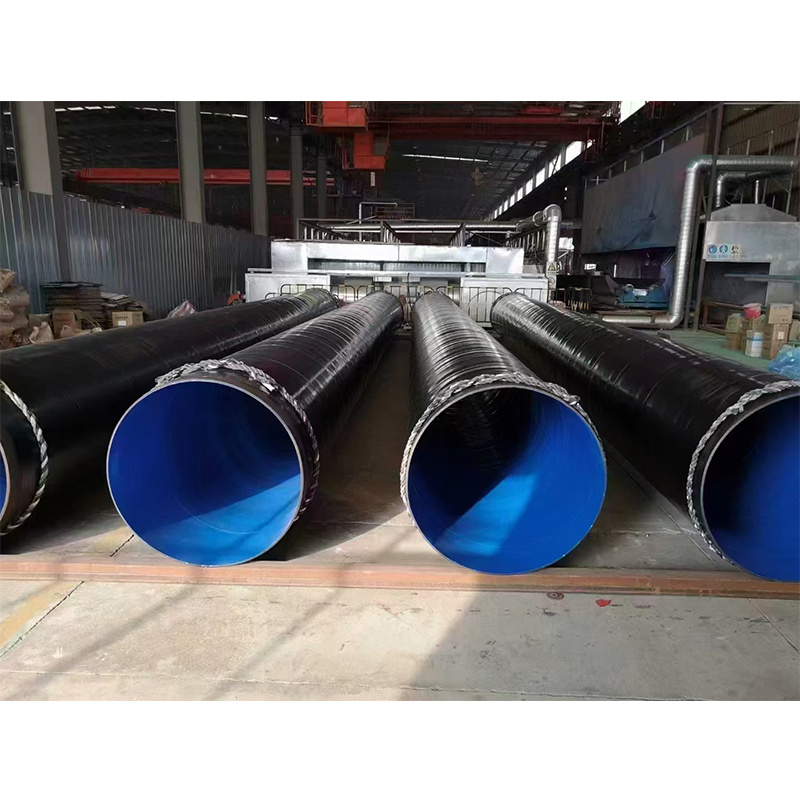
Discover the Advantages of Premium Pre-Insulated Steel Pipes for Your Next Construction Project
Table of Contents
1. Introduction to Pre-Insulated Steel Pipes
2. Key Benefits of Pre-Insulated Steel Pipes
2.1 Enhanced Energy Efficiency
2.2 Cost-Effectiveness in Construction
2.3 Durability and Longevity
2.4 Versatility and Application
3. Technical Specifications of Pre-Insulated Steel Pipes
3.1 Composition and Design
3.2 Insulation Materials Used
4. Common Applications in the Construction Industry
4.1 Heating and Cooling Systems
4.2 Hot Water Supply Systems
4.3 District Heating and Cooling
5. Installation Considerations and Best Practices
5.1 Preparation and Planning
5.2 Installation Steps
6. Environmental Impact and Sustainability
7. Frequently Asked Questions
8. Conclusion
1. Introduction to Pre-Insulated Steel Pipes
Pre-insulated steel pipes are revolutionizing the construction and engineering sectors. These pipes, designed with a layer of insulation around a steel core, provide superior thermal efficiency and reduced heat loss, making them suitable for a wide range of applications. As energy conservation becomes increasingly critical in modern construction, understanding the benefits of these pipes is essential for anyone involved in building projects.
2. Key Benefits of Pre-Insulated Steel Pipes
When considering materials for your next building project, the benefits of pre-insulated steel pipes stand out, addressing both practical needs and long-term goals.
2.1 Enhanced Energy Efficiency
One of the most compelling advantages of pre-insulated steel pipes is their ability to significantly enhance energy efficiency. The insulation layer minimizes heat loss, ensuring that systems operate at optimal levels. This efficiency not only reduces energy costs but also contributes to a lower carbon footprint, aligning with global efforts to promote sustainable building practices.
2.2 Cost-Effectiveness in Construction
Although the initial investment in pre-insulated steel pipes may be higher than traditional piping options, the long-term savings they offer often outweigh the upfront costs. Reduced energy consumption translates into lower operational costs, while minimizing maintenance and replacement needs further enhances cost-effectiveness.
2.3 Durability and Longevity
Pre-insulated steel pipes are engineered to withstand harsh environmental conditions, including extreme temperatures and corrosive substances. Their robust construction guarantees longevity, ensuring that building systems remain functional for many years without the need for frequent repairs or replacements.
2.4 Versatility and Application
These pipes are versatile and can be used across various applications, including district heating systems, chilled water systems, and even industrial process piping. Their adaptability makes them a preferred choice for a wide range of construction projects, from residential buildings to large-scale commercial developments.
3. Technical Specifications of Pre-Insulated Steel Pipes
Understanding the technical aspects of pre-insulated steel pipes can help you make informed decisions when selecting materials for your projects.
3.1 Composition and Design
Typically, pre-insulated steel pipes consist of three layers: an inner steel pipe, an insulating foam layer, and an outer casing made of steel or other protective materials. The selection of materials used for insulation and casing plays a crucial role in determining the pipes' thermal performance and overall durability.
3.2 Insulation Materials Used
Common insulation materials for pre-insulated pipes include polyurethane and polyethylene foam. These materials are chosen for their excellent thermal properties, ensuring minimal heat transfer. The insulation thickness varies based on application requirements and environmental conditions, allowing for tailored solutions to meet specific project needs.
4. Common Applications in the Construction Industry
Pre-insulated steel pipes find extensive use across various sectors of the construction industry, thanks to their unique properties.
4.1 Heating and Cooling Systems
The primary application of pre-insulated steel pipes is in heating and cooling systems. Their insulation prevents energy loss in hot water distribution systems, making them ideal for maintaining consistent temperatures with minimal energy consumption.
4.2 Hot Water Supply Systems
In residential and commercial settings, pre-insulated pipes are widely used for hot water supply. Their efficiency ensures that hot water reaches fixtures quickly, reducing the wait time and energy wastage associated with conventional systems.
4.3 District Heating and Cooling
District heating systems benefit significantly from the use of pre-insulated steel pipes. They facilitate the transport of hot water or steam from centralized production facilities to multiple buildings, offering an efficient solution for urban heating and cooling needs.
5. Installation Considerations and Best Practices
Proper installation is crucial to maximizing the benefits of pre-insulated steel pipes. Adhering to best practices ensures optimal performance and longevity.
5.1 Preparation and Planning
Before installation, thorough planning is necessary. This includes assessing the project site, understanding local building codes, and determining the specific requirements for insulation thickness and pipe diameter based on the intended application.
5.2 Installation Steps
The installation process involves several critical steps, including trench excavation (if buried), pipe alignment, and connections. It’s essential to follow manufacturer guidelines to ensure proper sealing and insulation continuity, preventing any potential heat loss.
6. Environmental Impact and Sustainability
The construction industry is increasingly prioritizing materials that promote sustainability. Pre-insulated steel pipes contribute to reduced energy consumption and lower greenhouse gas emissions, supporting initiatives aimed at protecting the environment. Their durability also means less waste generated from frequent replacements, further enhancing their sustainability profile.
7. Frequently Asked Questions
What are pre-insulated steel pipes used for?
Pre-insulated steel pipes are commonly used in heating and cooling systems, hot water supply, and district heating applications, offering energy-efficient solutions for various construction projects.
How do pre-insulated steel pipes improve energy efficiency?
These pipes minimize heat loss through their insulation layer, ensuring that systems operate at optimal levels and reducing energy consumption.
Are pre-insulated steel pipes more expensive than traditional options?
While the initial costs may be higher, the long-term savings due to reduced energy consumption and maintenance often make them a more cost-effective choice.
What materials are used for insulation in pre-insulated pipes?
Common insulation materials include polyurethane and polyethylene foam, chosen for their excellent thermal properties.
Can pre-insulated steel pipes be used in harsh environments?
Yes, these pipes are designed to withstand extreme temperatures and corrosive conditions, making them suitable for a variety of challenging applications.
8. Conclusion
Incorporating pre-insulated steel pipes into your building projects offers a multitude of benefits, from enhanced energy efficiency and cost savings to versatility and environmental sustainability. As the construction industry continues to evolve, the demand for innovative and efficient materials like these will only grow. By understanding and leveraging the advantages of pre-insulated steel pipes, you can ensure your projects are not only successful but also contribute positively to the environment and society.
Related Posts

Understanding Plastic-Coated Steel Pipes for Efficient Sewage Systems







Address
Wuliyao Industrial Zone, Yanshan County, Cangzhou City, Hebei Province, China