
Understanding Underground Insulated Steel Pipe: Essential Insights for Construction Applications
Mar 27,2025
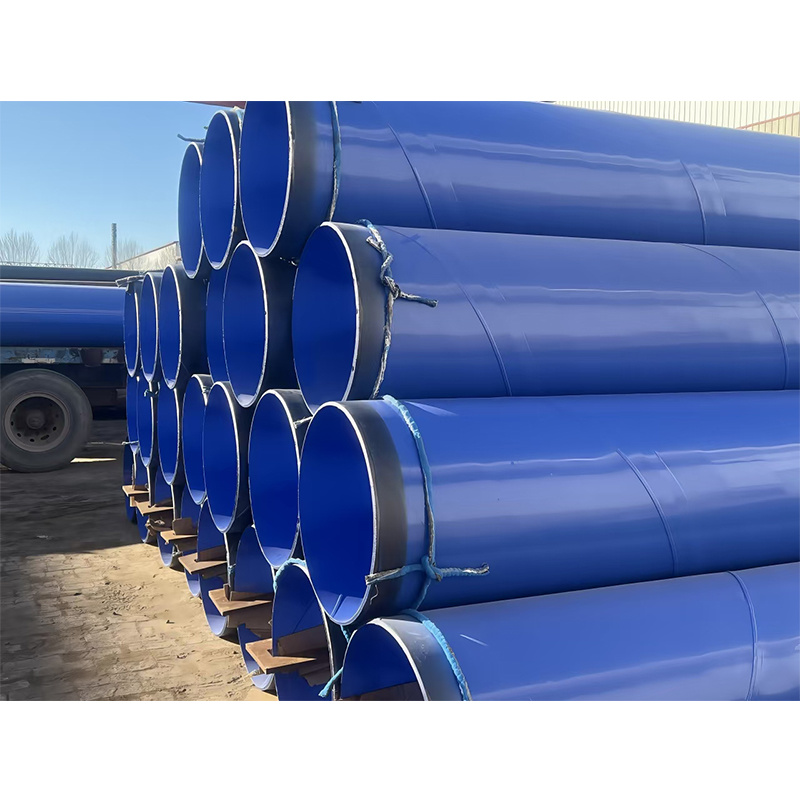
The primary advantage of underground insulated steel pipes lies in their energy efficiency. By reducing thermal loss, these pipes can significantly lower energy consumption and operational costs, leading to more sustainable construction practices. Additionally, the insulation protects the pipe from external temperature fluctuations, which could otherwise lead to condensation or freezing issues, particularly in colder climates.
In terms of construction, the installation of underground insulated steel pipes requires careful planning and execution. The pipes must be buried at an appropriate depth to protect them from physical damage and environmental conditions. Proper trench preparation and backfilling techniques are essential to ensure the longevity and performance of the pipes. Furthermore, the choice of insulation materials is critical. Common options include polyurethane foam and fiberglass, each providing different levels of thermal resistance and protection.
Maintenance of underground insulated steel pipes is another vital consideration. Regular inspections are necessary to ensure the integrity of both the steel pipes and the insulation. Signs of damage, such as corrosion or physical deformation, should be addressed promptly to prevent leaks or failures. Implementing a robust maintenance schedule can extend the lifespan of the pipes, ensuring that they continue to perform efficiently over time.
Another significant aspect to consider is the environmental impact of using underground insulated steel pipes. By improving energy efficiency, these pipes contribute to reducing greenhouse gas emissions associated with heating and cooling systems. Moreover, their durability and resistance to external factors can minimize the need for replacements, making them a more sustainable choice in the long run.
In summary, underground insulated steel pipes are an essential element in modern construction. Their ability to maintain temperature, reduce energy costs, and withstand environmental challenges makes them a preferred choice for various applications. Understanding their characteristics, installation requirements, and maintenance needs can greatly enhance the effectiveness and efficiency of construction projects, ultimately leading to improved infrastructure and sustainability in the built environment. Whether you are involved in heating systems, industrial applications, or commercial construction, considering underground insulated steel pipes can lead to significant long-term benefits.
TAG:
Related Posts

Understanding Plastic-Coated Steel Pipes for Efficient Sewage Systems







Address
Wuliyao Industrial Zone, Yanshan County, Cangzhou City, Hebei Province, China