
Why Choose Thermal Insulated Steel Pipes for Your Next Construction Project?
Mar 26,2025
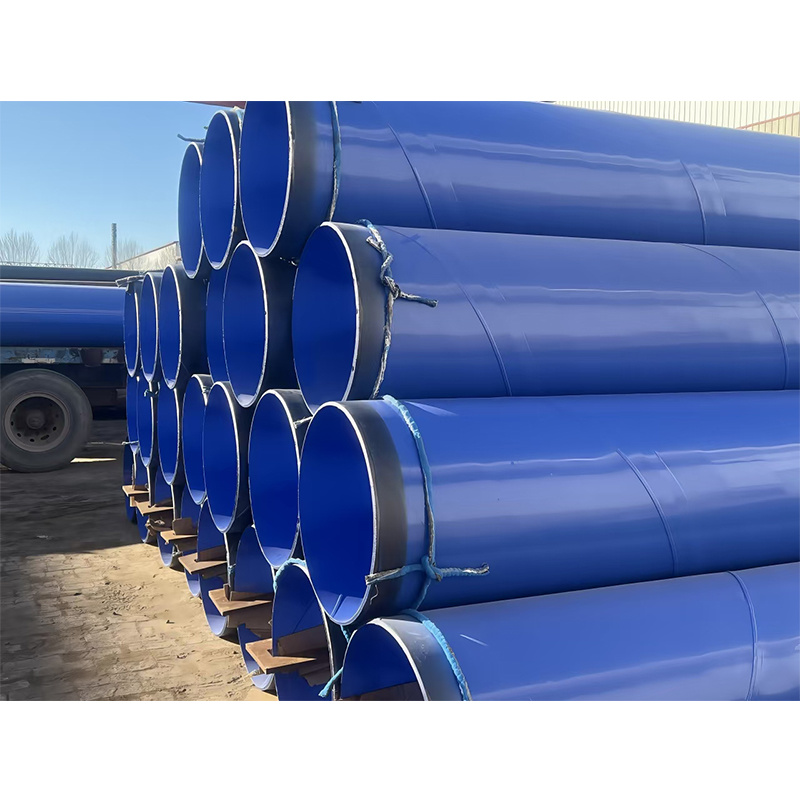
Thermal insulated steel pipes have emerged as a popular choice in the construction industry, driven by their impressive performance characteristics and adaptability to various applications. As construction projects evolve, the need for materials that can enhance energy efficiency, durability, and overall functionality has never been greater. This article delves into the compelling reasons why new Thermal insulated steel pipes should be at the forefront of your next construction project.
Understanding Thermal Insulated Steel Pipes
Thermal insulated steel pipes are specialized piping systems designed with insulation material that minimizes heat transfer. This construction method not only improves energy efficiency but also protects the pipes from environmental factors and potential damage. These pipes are commonly used in heating, cooling, and various industrial applications, making them a versatile option for builders and contractors.
What Makes Thermal Insulated Steel Pipes Unique?
1. Energy Efficiency: The primary advantage of thermal insulated steel pipes is their ability to maintain temperature. By reducing heat loss or gain during the transportation of fluids, these pipes contribute significantly to overall energy savings.
2. Versatility: Suitable for various applications, thermal insulated steel pipes can be used in residential, commercial, and industrial projects. Whether for hot water supply, chilled water distribution, or refrigerant transport, these pipes meet diverse needs.
3. Durability: Constructed from robust steel, these pipes offer exceptional resistance to corrosion and physical impacts. The added insulation further protects against thermal expansion and contraction, ensuring a longer lifespan.
4. Cost-Effectiveness: Although the upfront cost may be higher than traditional piping options, the long-term savings in energy bills and maintenance make thermal insulated steel pipes a smart investment.
5. Eco-Friendly: By enhancing energy efficiency, these pipes contribute to reduced greenhouse gas emissions. Their durability also means fewer replacements over time, further minimizing environmental impact.
Key Benefits of Thermal Insulated Steel Pipes
1. Enhanced Energy Savings
One of the most significant advantages of thermal insulated steel pipes is the energy savings they provide. Traditional piping systems can result in heat loss, especially in systems transporting hot fluids. This inefficiency leads to increased energy consumption, which can drive up operational costs. Thermal insulated steel pipes mitigate these losses by maintaining the temperature of the fluids within them, resulting in lower energy bills and a reduced carbon footprint.
2. Improved System Performance
With consistent temperature control, thermal insulated steel pipes improve the overall performance of heating and cooling systems. This stability not only enhances user comfort but also extends the lifespan of HVAC systems by reducing strain from temperature fluctuations. When systems operate more efficiently, they require less maintenance and have fewer breakdowns, contributing to smoother operations.
3. Resistance to Environmental Factors
Thermal insulated steel pipes are designed to withstand various environmental conditions. Their robust nature ensures that they can handle exposure to moisture, extreme temperatures, and even chemical substances. This resistance reduces the likelihood of corrosion and leaks, which can compromise system integrity and lead to costly repairs.
Corrosion Resistance
The insulation layer acts as a barrier against moisture, significantly reducing the risk of corrosion that typically affects uninsulated steel pipes. This feature is particularly advantageous in environments where humidity and temperature changes are prevalent.
4. Versatility in Applications
Thermal insulated steel pipes can be utilized across a wide range of applications, including:
- Hot and cold water distribution systems
- Chilled water lines in HVAC systems
- District heating systems
- Steam distribution networks
- Industrial fluid transport
This versatility makes them an ideal choice for various construction projects, from residential buildings to large-scale industrial facilities.
5. Simplified Installation Process
The installation of thermal insulated steel pipes is straightforward, saving both time and labor costs during construction. Many manufacturers offer pre-insulated piping systems that can be easily integrated into existing infrastructure. This pre-insulation reduces the need for additional insulation work on-site, streamlining the overall installation process and minimizing project timelines.
Thermal Insulated Steel Pipes vs. Traditional Piping Systems
When comparing thermal insulated steel pipes to traditional piping systems, several key differences emerge:
1. Insulation Efficiency
Traditional pipes often lack insulation, leading to significant heat loss. In contrast, thermal insulated steel pipes are engineered to minimize this loss, making them the superior choice for energy efficiency.
2. Durability and Longevity
While traditional pipes may require frequent replacement and maintenance due to corrosion and wear, thermal insulated steel pipes are built to last. Their resistance to environmental factors ensures a longer service life.
3. Initial Costs vs. Long-Term Savings
Although thermal insulated steel pipes may have a higher initial cost, the long-term savings in energy bills and maintenance make them a more economical choice in the long run.
Choosing the Right Thermal Insulated Steel Pipes
When selecting thermal insulated steel pipes for your project, consider the following factors:
1. Application Requirements
Identify the specific needs of your project. Are you transporting hot water or chilled fluids? Understanding the application will help you choose the right type of thermal insulated steel pipes.
2. Pipe Diameter and Thickness
The size and thickness of the pipes will impact the flow rate and overall efficiency of your system. Consult with a professional to determine the best specifications for your project.
3. Insulation Material
Different insulation materials offer varying levels of thermal resistance. Choose a material that aligns with your energy efficiency goals and budget.
FAQs About Thermal Insulated Steel Pipes
1. What is the lifespan of thermal insulated steel pipes?
Thermal insulated steel pipes can last for several decades, often exceeding 30 years, depending on environmental conditions and maintenance.
2. Are thermal insulated steel pipes more expensive than traditional pipes?
Yes, the initial cost may be higher, but the energy savings and reduced need for maintenance often offset this expense over time.
3. Can thermal insulated steel pipes be recycled?
Yes, steel is a highly recyclable material, and thermal insulated steel pipes can be recycled at the end of their lifecycle.
4. How do thermal insulated steel pipes enhance energy efficiency?
By minimizing heat transfer, these pipes maintain the temperature of the fluids they carry, reducing energy consumption and associated costs.
5. Are there any maintenance requirements for thermal insulated steel pipes?
While they require less maintenance compared to traditional pipes, regular inspections are recommended to ensure the insulation remains intact and the pipes are free from damage.
Conclusion
Thermal insulated steel pipes offer a multitude of benefits for construction projects, from energy efficiency and durability to versatility and reduced environmental impact. As the demand for sustainable building solutions increases, choosing thermal insulated steel pipes can provide a competitive edge in your next project. By investing in these advanced piping systems, you not only enhance the performance and longevity of your construction but also contribute to a more sustainable future. Embrace the advantages of thermal insulated steel pipes and elevate your construction projects to new heights.
TAG:
Related Posts

Understanding Plastic-Coated Steel Pipes for Efficient Sewage Systems







Address
Wuliyao Industrial Zone, Yanshan County, Cangzhou City, Hebei Province, China