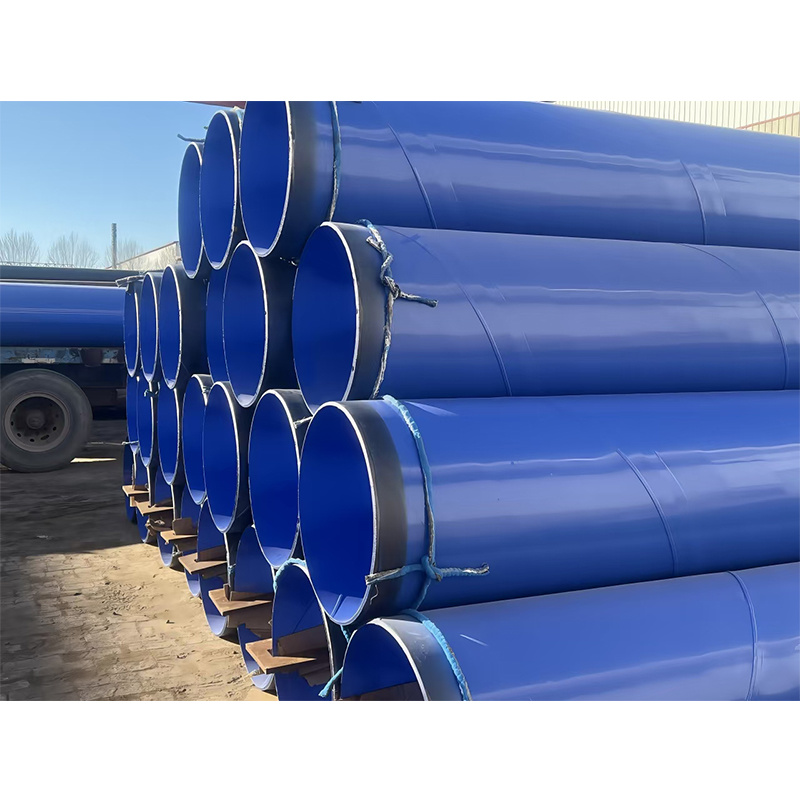
Understanding Insulated Pipes for Oil and Gas Applications
Mar 29,2025
In the oil and gas sector, the transportation of fluids such as crude oil and natural gas is a critical operation, often conducted over long distances through pipelines. One essential component of this infrastructure is insulated pipes, which play a vital role in maintaining the integrity and efficiency of the transportation process. Insulated pipes are designed to minimize heat loss, preventing t
In the oil and gas sector, the transportation of fluids such as crude oil and natural gas is a critical operation, often conducted over long distances through pipelines. One essential component of this infrastructure is insulated pipes, which play a vital role in maintaining the integrity and efficiency of the transportation process. Insulated pipes are designed to minimize heat loss, preventing the temperature of the transported fluids from dropping below critical levels, which can lead to issues such as increased viscosity and blockages.
Insulation in pipes serves several purposes. First and foremost, it helps retain the heat generated during the transportation of hot fluids. In many cases, especially with crude oil, maintaining a specific temperature is crucial for optimal flow rates and system efficiency. Insulated pipes, therefore, significantly reduce energy costs associated with heating fluids, thus offering an economic advantage in pipeline operations.
Moreover, insulated pipes can protect the contents from external environmental conditions. In regions where temperatures can plummet, insulated pipes help prevent the freezing of fluids, ensuring continuous flow and reducing the risks of pipeline ruptures or other failures associated with low-temperature exposure. This protection is particularly important in areas that experience harsh winter conditions.
The insulation materials used in these pipes vary, with common options including expanded polystyrene, polyurethane foam, and fiberglass. Each material has its own set of advantages in terms of thermal performance, weight, and cost. The choice of insulation material is often dictated by the specific requirements of the project, including the operating temperature, environmental conditions, and budget constraints.
Furthermore, the installation of insulated pipes requires careful planning and expertise. It is essential to ensure that the insulation is applied uniformly and that there are no gaps, as these can lead to heat loss and diminished performance. Regular maintenance and inspection of insulated pipelines are equally important to ensure their efficiency and longevity. By addressing these aspects, operators can mitigate risks and optimize the performance of their pipelines.
In conclusion, insulated pipes are a fundamental component in the oil and gas industry, enhancing the efficiency and safety of fluid transportation. By utilizing advanced insulation materials and proper installation techniques, companies can significantly improve their operations and reduce energy costs. Understanding the importance of these insulated pipes not only aids in selecting the right materials but also ensures that the system operates at its peak performance. As the demand for efficient and sustainable energy solutions continues to grow, the role of insulated pipes in the oil and gas sector will remain crucial.
Insulation in pipes serves several purposes. First and foremost, it helps retain the heat generated during the transportation of hot fluids. In many cases, especially with crude oil, maintaining a specific temperature is crucial for optimal flow rates and system efficiency. Insulated pipes, therefore, significantly reduce energy costs associated with heating fluids, thus offering an economic advantage in pipeline operations.
Moreover, insulated pipes can protect the contents from external environmental conditions. In regions where temperatures can plummet, insulated pipes help prevent the freezing of fluids, ensuring continuous flow and reducing the risks of pipeline ruptures or other failures associated with low-temperature exposure. This protection is particularly important in areas that experience harsh winter conditions.
The insulation materials used in these pipes vary, with common options including expanded polystyrene, polyurethane foam, and fiberglass. Each material has its own set of advantages in terms of thermal performance, weight, and cost. The choice of insulation material is often dictated by the specific requirements of the project, including the operating temperature, environmental conditions, and budget constraints.
Furthermore, the installation of insulated pipes requires careful planning and expertise. It is essential to ensure that the insulation is applied uniformly and that there are no gaps, as these can lead to heat loss and diminished performance. Regular maintenance and inspection of insulated pipelines are equally important to ensure their efficiency and longevity. By addressing these aspects, operators can mitigate risks and optimize the performance of their pipelines.
In conclusion, insulated pipes are a fundamental component in the oil and gas industry, enhancing the efficiency and safety of fluid transportation. By utilizing advanced insulation materials and proper installation techniques, companies can significantly improve their operations and reduce energy costs. Understanding the importance of these insulated pipes not only aids in selecting the right materials but also ensures that the system operates at its peak performance. As the demand for efficient and sustainable energy solutions continues to grow, the role of insulated pipes in the oil and gas sector will remain crucial.
TAG:
Related Posts
Understanding Plastic-Coated Steel Pipes for Efficient Sewage Systems
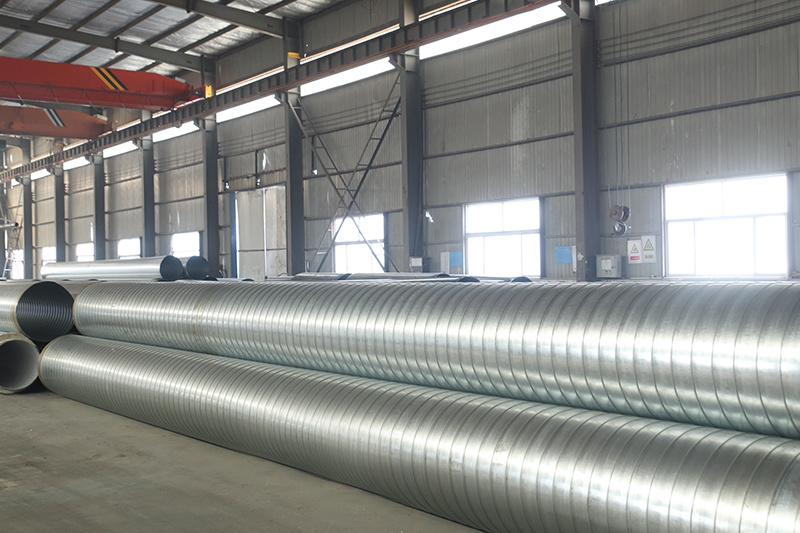
Plastic-coated steel pipes have gained significant attention in the construction industry, particularly in the context of sewage systems. These pipes combine the inherent strength of steel with the protective qualities of plastic, making them an excellent choice for various applications in building and decorating materials.
One of the primary advantages of using plastic-coated steel pipes in sewag