
Why Insulated Steel Pipes Are Essential for Modern Construction
Mar 30,2025
Why Insulated Steel Pipes Are Essential for Modern Construction
Introduction to Insulated Steel Pipes
In the realm of modern construction, materials play a pivotal role in determining the efficiency, durability, and sustainability of structures. Among these, **insulated steel pipes** have emerged as a vital component, gaining attention for their multifaceted benefits. These pipes are not just conduits; they are crucial elements that enhance energy efficiency, reduce operational costs, and improve overall building performance. This article delves into the significance of insulated steel pipes, exploring their applications, advantages, and why they are indispensable in today’s construction landscape.
Table of Contents
- Understanding Insulated Steel Pipes
- Benefits of Insulated Steel Pipes
- Applications of Insulated Steel Pipes
- Energy Efficiency and Cost Savings
- Durability and Longevity of Insulated Steel Pipes
- Installation and Maintenance Considerations
- Regulatory Standards and Compliance
- Future Trends in Insulated Steel Pipes
- FAQs
- Conclusion
Understanding Insulated Steel Pipes
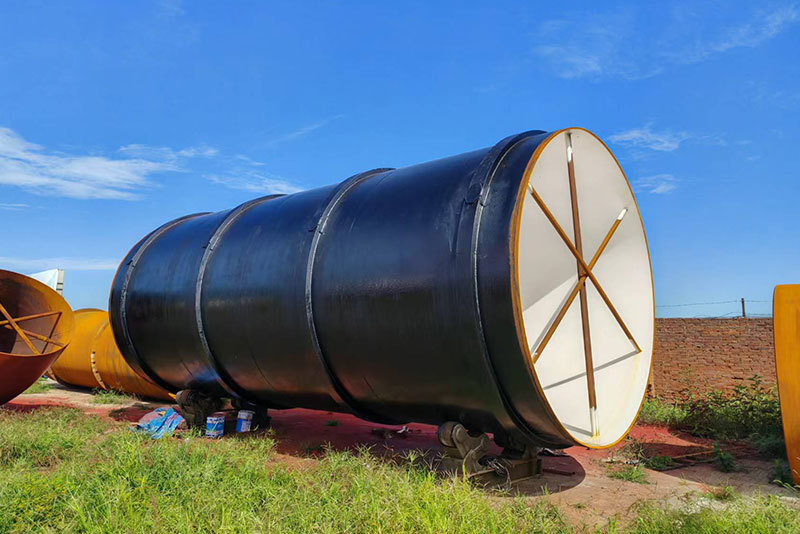
Insulated steel pipes are typically crafted from a steel core, which provides structural integrity, and are covered with insulating materials such as polyurethane foam or fiberglass. This composite structure effectively minimizes thermal conductivity, ensuring that the temperature of the substances conveyed within the pipes remains stable. Whether hot or cold, the insulation prevents energy loss, making these pipes an ideal choice for a variety of applications in modern construction.
Benefits of Insulated Steel Pipes
**Insulated steel pipes** offer numerous advantages that contribute to their growing popularity in the construction sector:
Enhanced Energy Efficiency
By reducing thermal bridging, insulated steel pipes ensure that energy is not wasted through heat loss or gain. This efficiency translates into lower energy bills for heating and cooling systems.
Improved Safety
The insulation of steel pipes also enhances safety in construction. By minimizing the risk of burns or injuries from hot surfaces, these pipes provide a safer environment for both workers and building occupants.
Sound Insulation
Insulated pipes can significantly reduce noise transmission, making them suitable for residential and commercial buildings where noise pollution is a concern.
Corrosion Resistance
Many insulated steel pipes are designed with additional coatings to enhance their resistance to corrosion, thus prolonging their lifespan and reducing the need for frequent replacements.
Applications of Insulated Steel Pipes
The versatility of insulated steel pipes allows for a wide range of applications in the construction industry:
HVAC Systems
Insulated steel pipes are extensively used in heating, ventilation, and air conditioning (HVAC) systems. Their ability to maintain desired temperatures and reduce energy consumption makes them a favored choice.
Water Supply and Distribution
In plumbing applications, insulated steel pipes are used for transporting hot and cold water, ensuring minimal energy loss and optimal performance.
Industrial Processes
In industrial settings, these pipes are crucial for transporting heated or cooled fluids, contributing to process efficiency and safety.
Refrigeration Systems
In refrigeration, insulated steel pipes are essential for maintaining low temperatures while minimizing energy expenditure.
Energy Efficiency and Cost Savings
The incorporation of insulated steel pipes in construction projects can lead to significant **cost savings** over time. By promoting energy efficiency, these pipes help reduce the overall energy consumption of buildings. This is particularly important in large structures, where even a minor reduction in energy use can result in substantial financial savings.
Case Studies: Cost Efficiency in Action
Numerous studies have shown that buildings utilizing insulated steel pipes experience lower operational costs. For example, an office building that integrated these pipes reported a **25% reduction** in heating and cooling expenses, demonstrating the tangible financial benefits of this technology.
Durability and Longevity of Insulated Steel Pipes
Insulated steel pipes are known for their exceptional durability. The protective insulation not only prevents thermal loss but also shields the steel from environmental factors that can lead to corrosion and wear over time. This resilience ensures a longer lifespan, reducing replacement frequency and maintenance costs.
Life Cycle Assessment
A life cycle assessment of insulated steel pipes indicates that their longevity contributes to lower environmental impact over time. Their durability means that fewer resources are needed for replacements, aligning with sustainability goals in construction.
Installation and Maintenance Considerations
While insulated steel pipes offer numerous benefits, proper installation and maintenance are crucial for maximizing their effectiveness.
Installation Techniques
Professional installation is essential to ensure that the insulation is applied correctly without gaps or compressions, which could compromise energy efficiency. Techniques such as **butt-welding** and **fusion welding** are commonly used in professional settings.
Regular Maintenance Practices
Regular inspections and maintenance can prolong the life of insulated steel pipes. This includes checking for signs of corrosion or damage to the insulation and performing necessary repairs promptly.
Regulatory Standards and Compliance
The use of insulated steel pipes is often subject to various **building codes** and **regulatory standards**. Compliance with these regulations ensures not only safety but also the efficiency of the installed systems.
Understanding Local Regulations
It's essential for contractors and builders to familiarize themselves with local building codes regarding insulated steel pipes. This knowledge can help avoid compliance issues and ensure that projects meet all necessary safety and performance standards.
Future Trends in Insulated Steel Pipes
Looking ahead, the future of insulated steel pipes in construction appears promising. Innovations in materials and technology are expected to enhance their performance even further.
Smart Insulation Technologies
Emerging technologies, such as smart insulation that can adapt to temperature changes or smart monitoring systems, are on the horizon. These advancements could revolutionize the way insulated steel pipes are utilized in construction, offering even greater efficiency and control.
Sustainability Initiatives
As the construction industry moves towards sustainability, insulated steel pipes made from recycled materials are gaining traction. These eco-friendly options align with global efforts to reduce environmental impact while maintaining performance standards.
FAQs
1. What are insulated steel pipes made of?
Insulated steel pipes typically consist of a steel core surrounded by insulating materials, such as polyurethane or fiberglass, designed to minimize thermal conductivity.
2. How do insulated steel pipes improve energy efficiency?
By reducing heat loss or gain, insulated steel pipes help maintain stable temperatures, which leads to decreased energy consumption for heating and cooling.
3. Are insulated steel pipes suitable for all climates?
Yes, insulated steel pipes are adaptable to various climates, making them a versatile choice for different construction environments.
4. How long do insulated steel pipes last?
With proper installation and maintenance, insulated steel pipes can last for many decades, often exceeding 30 years.
5. What maintenance is required for insulated steel pipes?
Regular inspections for corrosion and damage to the insulation are essential. Any issues should be addressed promptly to ensure optimal performance.
Conclusion
In conclusion, insulated steel pipes are essential components in modern construction, offering unparalleled benefits in terms of energy efficiency, safety, and durability. As the demand for sustainable and cost-effective building solutions grows, the role of these pipes will continue to expand. Understanding their advantages, applications, and proper maintenance will empower builders and contractors to make informed decisions that enhance the performance of their projects. Embracing insulated steel pipes today will pave the way for a more efficient and sustainable tomorrow in the construction industry.
TAG:
Related Posts

Understanding Plastic-Coated Steel Pipes for Efficient Sewage Systems







Address
Wuliyao Industrial Zone, Yanshan County, Cangzhou City, Hebei Province, China