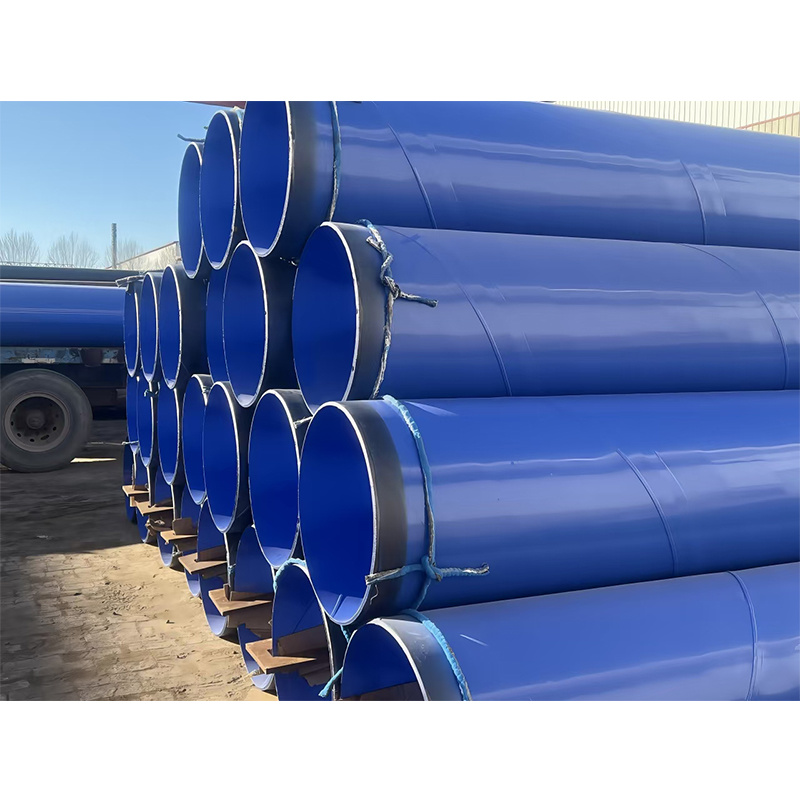
Understanding 3PE Steel Pipes for Water Supply: A Comprehensive Overview
Apr 04,2025
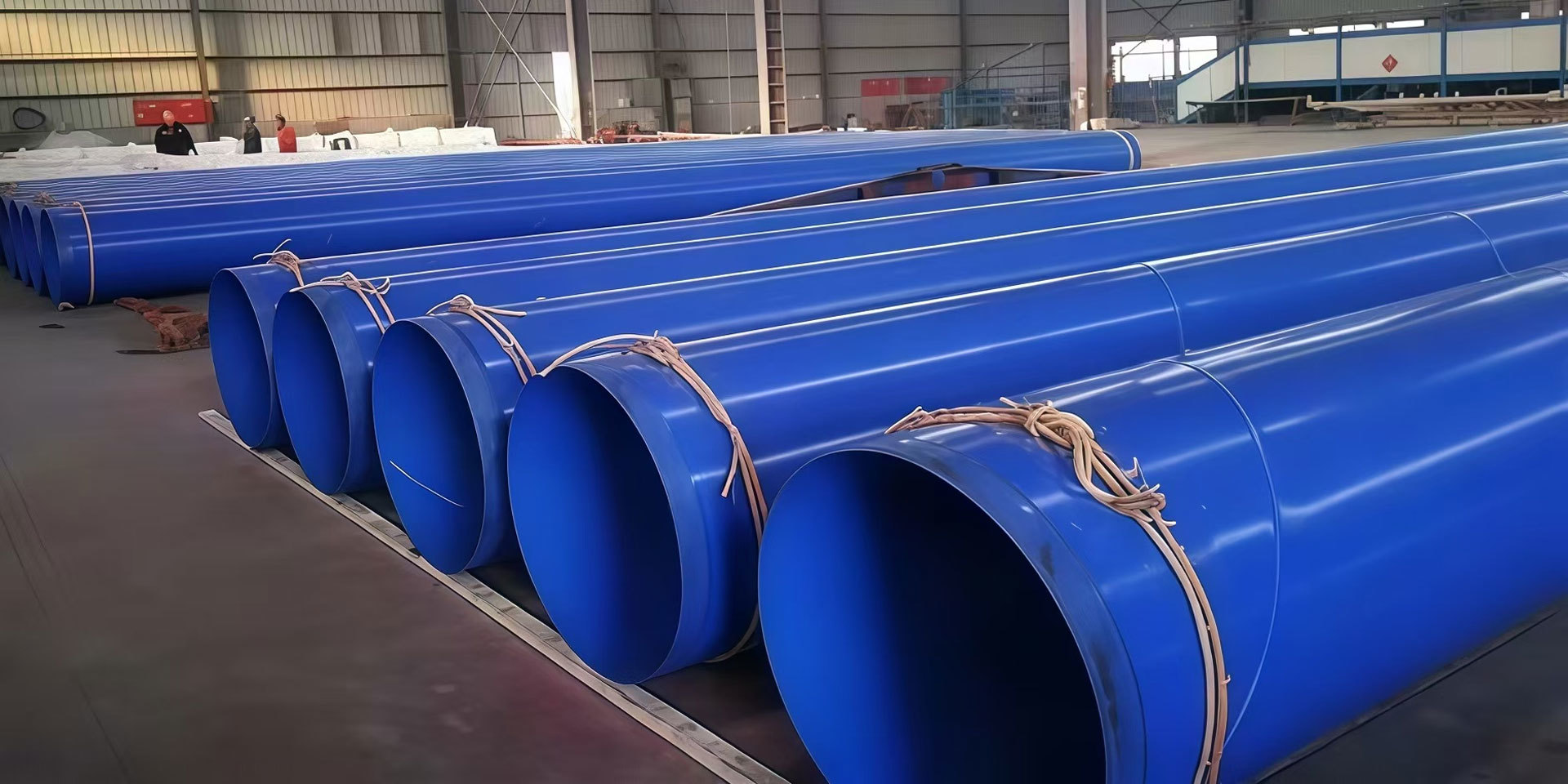
3PE steel pipes, or three-layer polyethylene coated steel pipes, are increasingly recognized for their effectiveness in water supply applications. These pipes combine the strength of steel with the protective qualities of polyethylene, making them an ideal choice for various construction and infrastructure projects. Understanding the components and advantages of 3PE steel pipes can help profession
3PE steel pipes, or three-layer polyethylene coated steel pipes, are increasingly recognized for their effectiveness in water supply applications. These pipes combine the strength of steel with the protective qualities of polyethylene, making them an ideal choice for various construction and infrastructure projects. Understanding the components and advantages of 3PE steel pipes can help professionals make informed decisions regarding their use in water supply systems.
The "3PE" designation refers to the three-layer structure of the coating applied to the steel pipe. The first layer typically consists of an epoxy primer, which provides excellent adhesion and corrosion resistance. The second layer is a polyethylene adhesive, ensuring strong bonding between the pipe and the final polyethylene coating. Finally, the outer layer is made of high-density polyethylene (HDPE), which protects the pipe from environmental factors such as moisture, chemicals, and UV radiation. This multi-layered approach significantly enhances the durability and longevity of the pipes, making them suitable for both underground and above-ground installations.
One of the primary benefits of 3PE steel pipes for water supply is their superior corrosion resistance. Traditional steel pipes can be susceptible to rust and deterioration, especially in wet environments. However, the protective polyethylene coating effectively shields the steel from moisture and other corrosive elements, significantly extending the pipe's service life. This feature is particularly important for water supply systems, where maintaining the integrity of the pipes is crucial for ensuring safe and clean water delivery.
In addition to their durability, 3PE steel pipes offer excellent insulating properties. The polyethylene coating not only provides protection but also helps to minimize thermal conductivity. This means that the temperature of the water inside the pipes is better maintained, which can be particularly advantageous in colder climates where freezing is a concern.
Another noteworthy advantage is the ease of installation. 3PE steel pipes are relatively lightweight compared to other types of pipes, making transportation and handling more manageable. Additionally, their compatibility with various joining methods, such as welding and mechanical fittings, allows for flexible installation options tailored to the specific requirements of a project.
Moreover, the use of 3PE steel pipes can contribute to sustainability efforts in construction. Their longevity reduces the need for frequent replacements, thereby minimizing waste and resource consumption over time. This aligns with modern construction practices that prioritize environmentally friendly materials and methods.
In conclusion, 3PE steel pipes for water supply offer a robust, durable, and efficient solution for modern construction needs. Their multi-layered coating provides exceptional corrosion protection, insulation, and ease of installation, making them a preferred choice for water transportation systems in various construction projects. Understanding these features can empower builders and contractors to select the best materials for their specific requirements while ensuring the longevity and reliability of their water supply systems.
The "3PE" designation refers to the three-layer structure of the coating applied to the steel pipe. The first layer typically consists of an epoxy primer, which provides excellent adhesion and corrosion resistance. The second layer is a polyethylene adhesive, ensuring strong bonding between the pipe and the final polyethylene coating. Finally, the outer layer is made of high-density polyethylene (HDPE), which protects the pipe from environmental factors such as moisture, chemicals, and UV radiation. This multi-layered approach significantly enhances the durability and longevity of the pipes, making them suitable for both underground and above-ground installations.
One of the primary benefits of 3PE steel pipes for water supply is their superior corrosion resistance. Traditional steel pipes can be susceptible to rust and deterioration, especially in wet environments. However, the protective polyethylene coating effectively shields the steel from moisture and other corrosive elements, significantly extending the pipe's service life. This feature is particularly important for water supply systems, where maintaining the integrity of the pipes is crucial for ensuring safe and clean water delivery.
In addition to their durability, 3PE steel pipes offer excellent insulating properties. The polyethylene coating not only provides protection but also helps to minimize thermal conductivity. This means that the temperature of the water inside the pipes is better maintained, which can be particularly advantageous in colder climates where freezing is a concern.
Another noteworthy advantage is the ease of installation. 3PE steel pipes are relatively lightweight compared to other types of pipes, making transportation and handling more manageable. Additionally, their compatibility with various joining methods, such as welding and mechanical fittings, allows for flexible installation options tailored to the specific requirements of a project.
Moreover, the use of 3PE steel pipes can contribute to sustainability efforts in construction. Their longevity reduces the need for frequent replacements, thereby minimizing waste and resource consumption over time. This aligns with modern construction practices that prioritize environmentally friendly materials and methods.
In conclusion, 3PE steel pipes for water supply offer a robust, durable, and efficient solution for modern construction needs. Their multi-layered coating provides exceptional corrosion protection, insulation, and ease of installation, making them a preferred choice for water transportation systems in various construction projects. Understanding these features can empower builders and contractors to select the best materials for their specific requirements while ensuring the longevity and reliability of their water supply systems.
TAG:
Related Posts
Understanding Plastic-Coated Steel Pipes for Efficient Sewage Systems
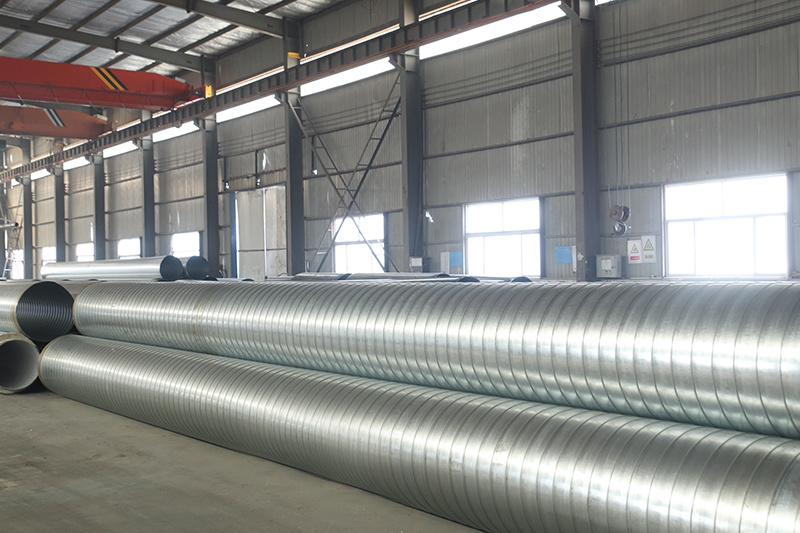
Plastic-coated steel pipes have gained significant attention in the construction industry, particularly in the context of sewage systems. These pipes combine the inherent strength of steel with the protective qualities of plastic, making them an excellent choice for various applications in building and decorating materials.
One of the primary advantages of using plastic-coated steel pipes in sewag