
Why 3PE Pipeline is Essential for Modern Oil and Gas Operations
Apr 03,2025
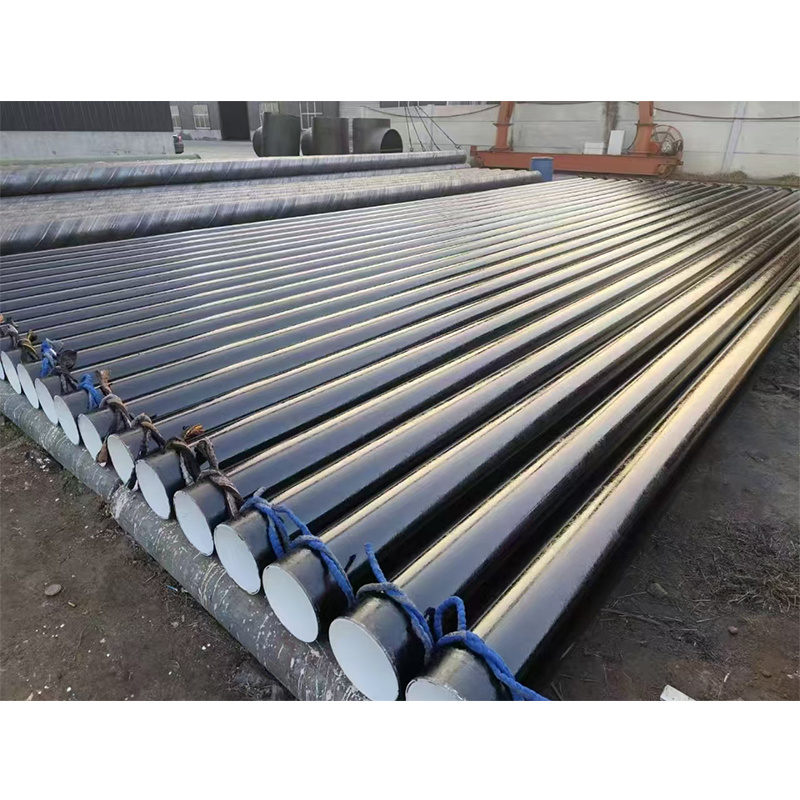
Why 3PE Pipeline is Essential for Modern Oil and Gas Operations
Table of Contents
1. Introduction to 3PE Pipeline Technology
2. The Composition of 3PE Coating
3. Advantages of 3PE Pipeline Systems
3.1 Enhanced Corrosion Resistance
3.2 Improved Durability and Longevity
3.3 Cost-Effectiveness Over Time
4. Applications of 3PE Pipelines in the Oil and Gas Industry
4.1 Transportation of Oil and Gas
4.2 Distribution Networks
4.3 Storage Solutions
5. Installation and Maintenance of 3PE Pipelines
5.1 Installation Procedures
5.2 Maintenance Best Practices
6. Environmental Impact and Sustainability
7. Future Trends in 3PE Pipeline Technology
8. Frequently Asked Questions
9. Conclusion
1. Introduction to 3PE Pipeline Technology
The **3PE (Three-Layer Polyethylene)** pipeline is a significant advancement in the oil and gas sector, designed to meet the increasing demands for **safety, efficiency, and environmental protection**. In modern operations, a reliable pipeline system is crucial for transporting hydrocarbons efficiently, and the 3PE system excels in this regard. With its unique three-layer structure, it offers enhanced protection against corrosion and wear, making it an essential choice for companies in the oil and gas industry.
2. The Composition of 3PE Coating
The **3PE coating** consists of three distinct layers, each serving a unique purpose:
- **First Layer**: This is a fusion-bonded epoxy layer that provides the primary barrier against corrosion. Epoxy is known for its strong adhesion properties, ensuring that the coating firmly sticks to the pipe surface.
- **Second Layer**: The second layer is a polyethylene layer that offers mechanical protection. It acts as a shield against physical damage from external factors such as soil movement and impact.
- **Third Layer**: The final layer is an outer layer of polyethylene that provides additional protection and resistance against environmental factors, including UV radiation and moisture. Together, these layers create a robust system that significantly enhances the lifetime of pipelines.
3. Advantages of 3PE Pipeline Systems
The adoption of 3PE pipelines brings numerous benefits that contribute to their essential role in modern oil and gas operations.
3.1 Enhanced Corrosion Resistance
Corrosion is one of the most significant challenges faced by pipelines, leading to leaks and increased maintenance costs. The 3PE system's **fusion-bonded epoxy** layer prevents rust and degradation, ensuring the integrity of the pipeline over time. This resistance significantly reduces the likelihood of pipeline failures, which can have catastrophic implications.
3.2 Improved Durability and Longevity
The layered structure of 3PE coatings not only resists corrosion but also withstands physical wear and tear. This durability translates into a longer lifespan for pipelines, reducing replacement and repair costs. Companies can benefit from extended operational periods without the need for significant infrastructure overhauls.
3.3 Cost-Effectiveness Over Time
Although the initial investment in 3PE pipelines may be higher compared to traditional options, the long-term savings are substantial. The reduction in maintenance needs, combined with the extended lifespan, means that companies can achieve a lower total cost of ownership (TCO) over time. This cost-effectiveness is a driving factor in the widespread adoption of 3PE technology in the oil and gas sector.
4. Applications of 3PE Pipelines in the Oil and Gas Industry
Given their robust properties, 3PE pipelines find multiple applications in the oil and gas industry.
4.1 Transportation of Oil and Gas
3PE pipelines are extensively used in the transportation of crude oil and natural gas from production sites to refineries and distribution centers. Their reliable performance ensures that hydrocarbons are moved safely and efficiently, minimizing the risk of leaks and spills.
4.2 Distribution Networks
In urban and industrial areas, 3PE pipelines are employed in distribution networks to deliver natural gas for heating and cooking. The low maintenance requirements and high resistance to corrosion make 3PE an ideal choice for such applications.
4.3 Storage Solutions
3PE pipelines are also utilized in the storage of liquids, including various petroleum products. Their ability to prevent contamination and leakages is vital for maintaining product integrity and ensuring environmental safety.
5. Installation and Maintenance of 3PE Pipelines
To maximize the benefits of 3PE pipelines, proper installation and ongoing maintenance practices are essential.
5.1 Installation Procedures
The installation of 3PE pipelines typically involves several steps:
1. **Site Preparation**: Assessing the location and preparing the ground to ensure a stable foundation.
2. **Pipe Laying**: Carefully placing the pipes in a predetermined trench while ensuring they are correctly aligned.
3. **Coating Integrity Check**: Inspecting the 3PE coating for any damage before burial.
4. **Backfilling**: Covering the pipes with soil while taking care not to damage the coating.
Following these procedures helps ensure the longevity and performance of the pipeline.
5.2 Maintenance Best Practices
Regular inspections and maintenance practices should be implemented to preserve the integrity of 3PE pipelines:
- Conduct periodic visual inspections to identify signs of damage or wear.
- Use non-destructive testing methods to assess the condition of the coating and underlying pipe.
- Implement a proactive maintenance schedule to address any issues before they escalate.
6. Environmental Impact and Sustainability
3PE pipelines contribute positively to environmental sustainability in several ways. Their corrosion resistance reduces the risk of spills and groundwater contamination. Additionally, by ensuring efficient transportation of oil and gas, these pipelines minimize the carbon footprint associated with the energy sector.
7. Future Trends in 3PE Pipeline Technology
As technology continues to advance, the 3PE pipeline sector is poised for growth and innovation. Trends such as **smart pipeline monitoring systems** and the integration of **sustainable materials** into coating formulations are on the horizon. These advancements aim to further enhance the safety and efficiency of pipeline operations while addressing environmental concerns.
8. Frequently Asked Questions
What is a 3PE pipeline?
A 3PE pipeline features a three-layer coating system designed to protect against corrosion and physical damage, enhancing its longevity and reliability in oil and gas operations.
Why is corrosion resistance important for pipelines?
Corrosion resistance prevents pipeline deterioration, reducing the risk of leaks and failures, which can lead to environmental hazards and financial losses.
How long do 3PE pipelines last?
With proper installation and maintenance, 3PE pipelines can last upwards of 30 years, significantly longer than traditional pipeline materials.
Are 3PE pipelines environmentally friendly?
Yes, 3PE pipelines reduce the risk of spills and leaks, contributing to environmental protection while efficiently transporting oil and gas.
What are the maintenance requirements for 3PE pipelines?
Regular inspections, visual checks, and non-destructive testing methods are recommended to ensure the integrity and performance of 3PE pipelines.
9. Conclusion
The adoption of **3PE pipelines** is essential for modern oil and gas operations, offering unparalleled benefits in terms of **corrosion resistance**, **durability**, and **cost-effectiveness**. As the industry continues to evolve, these pipelines will play a critical role in ensuring the safe and efficient transportation of hydrocarbons while minimizing environmental impacts. By investing in 3PE technology, companies can secure their operations' future and contribute to a more sustainable energy landscape.
Related Posts

Understanding Plastic-Coated Steel Pipes for Efficient Sewage Systems







Address
Wuliyao Industrial Zone, Yanshan County, Cangzhou City, Hebei Province, China