
The Essential Guide to Thermal Insulated Steel Pipe Supply in Construction
Apr 14,2025
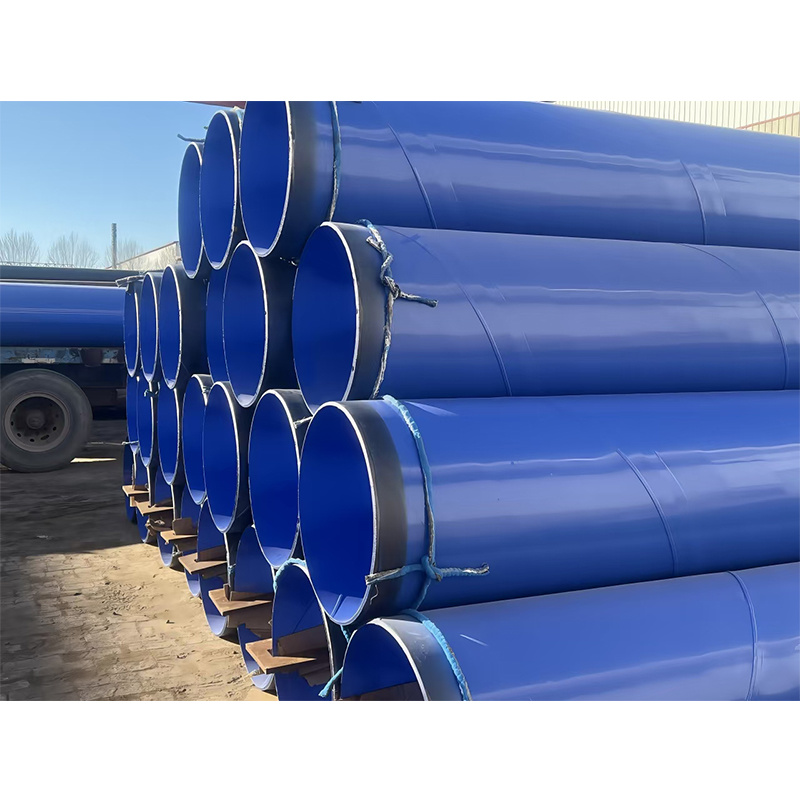
Thermal insulated steel pipes are an important component in modern construction and building projects, particularly in systems requiring efficient temperature control. These pipes are designed to reduce heat loss or gain during the transportation of fluids, making them ideal for heating, cooling, and plumbing applications. The insulation around the steel pipes serves as a barrier, maintaining the
Thermal insulated steel pipes are an important component in modern construction and building projects, particularly in systems requiring efficient temperature control. These pipes are designed to reduce heat loss or gain during the transportation of fluids, making them ideal for heating, cooling, and plumbing applications. The insulation around the steel pipes serves as a barrier, maintaining the desired temperature of the fluids inside while minimizing energy costs and enhancing overall energy efficiency.
One of the primary advantages of thermal insulated steel pipes is their ability to reduce energy consumption. By limiting thermal exchange with the surrounding environment, these pipes help maintain the temperature of fluids being transported. This is especially crucial in heating, ventilation, and air conditioning (HVAC) systems, where energy efficiency is paramount. By minimizing heat loss in hot water systems or preventing condensation in chilled water systems, these pipes can lead to substantial savings over time.
Furthermore, thermal insulated steel pipes contribute to the longevity of the piping system. By providing a protective layer against environmental factors and temperature fluctuations, the insulation helps prevent corrosion and degradation of the steel. This durability translates to lower maintenance costs and longer service life, making them a worthwhile investment in any construction project.
In addition to energy efficiency and durability, these insulated pipes offer versatility in application. They can be utilized in various settings, including residential, commercial, and industrial projects. Whether for plumbing, process piping, or district heating systems, thermal insulated steel pipes can be adapted to meet specific needs.
When considering supply options for thermal insulated steel pipes, it’s essential to evaluate the quality of materials and the expertise of the suppliers. Look for suppliers who can provide detailed information about insulation types, such as polyurethane and fiberglass, as well as their thermal performance characteristics. Understanding the insulation's R-value, which measures thermal resistance, is critical for ensuring optimal performance.
Moreover, regulatory compliance is an essential factor to consider when selecting thermal insulated steel pipes. Different regions may have specific building codes and standards related to insulation and energy efficiency. Suppliers should be knowledgeable about these standards, ensuring that the materials they provide meet or exceed local requirements.
In conclusion, thermal insulated steel pipe supply is a vital aspect of the construction industry, offering energy efficiency, durability, and versatility across various applications. By investing in high-quality insulated pipes, builders and contractors can enhance their projects' performance while contributing to a more sustainable future. Understanding the benefits and considerations associated with these pipes can lead to informed decisions that ultimately benefit both the project and the environment.
One of the primary advantages of thermal insulated steel pipes is their ability to reduce energy consumption. By limiting thermal exchange with the surrounding environment, these pipes help maintain the temperature of fluids being transported. This is especially crucial in heating, ventilation, and air conditioning (HVAC) systems, where energy efficiency is paramount. By minimizing heat loss in hot water systems or preventing condensation in chilled water systems, these pipes can lead to substantial savings over time.
Furthermore, thermal insulated steel pipes contribute to the longevity of the piping system. By providing a protective layer against environmental factors and temperature fluctuations, the insulation helps prevent corrosion and degradation of the steel. This durability translates to lower maintenance costs and longer service life, making them a worthwhile investment in any construction project.
In addition to energy efficiency and durability, these insulated pipes offer versatility in application. They can be utilized in various settings, including residential, commercial, and industrial projects. Whether for plumbing, process piping, or district heating systems, thermal insulated steel pipes can be adapted to meet specific needs.
When considering supply options for thermal insulated steel pipes, it’s essential to evaluate the quality of materials and the expertise of the suppliers. Look for suppliers who can provide detailed information about insulation types, such as polyurethane and fiberglass, as well as their thermal performance characteristics. Understanding the insulation's R-value, which measures thermal resistance, is critical for ensuring optimal performance.
Moreover, regulatory compliance is an essential factor to consider when selecting thermal insulated steel pipes. Different regions may have specific building codes and standards related to insulation and energy efficiency. Suppliers should be knowledgeable about these standards, ensuring that the materials they provide meet or exceed local requirements.
In conclusion, thermal insulated steel pipe supply is a vital aspect of the construction industry, offering energy efficiency, durability, and versatility across various applications. By investing in high-quality insulated pipes, builders and contractors can enhance their projects' performance while contributing to a more sustainable future. Understanding the benefits and considerations associated with these pipes can lead to informed decisions that ultimately benefit both the project and the environment.
TAG:
Related Posts
Understanding Plastic-Coated Steel Pipes for Efficient Sewage Systems
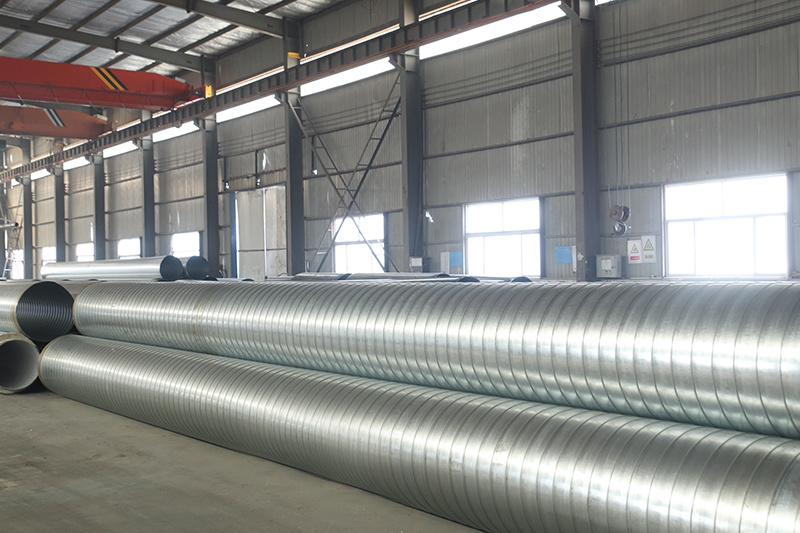
Plastic-coated steel pipes have gained significant attention in the construction industry, particularly in the context of sewage systems. These pipes combine the inherent strength of steel with the protective qualities of plastic, making them an excellent choice for various applications in building and decorating materials.
One of the primary advantages of using plastic-coated steel pipes in sewag