
Building Resilience with Advanced Underground Insulated Steel Pipe Solutions
Apr 15,2025
Building Resilience with Advanced Underground Insulated Steel Pipe Solutions
Table of Contents
- Introduction
- What Are Insulated Steel Pipes?
- Benefits of Using Insulated Steel Pipes
- Applications of Insulated Steel Pipes in Construction
- Advanced Manufacturing Techniques for Insulated Pipes
- Sustainability and Environmental Impact
- Maintenance and Lifespan of Insulated Steel Pipes
- Case Studies: Successful Applications
- Frequently Asked Questions
- Conclusion
Introduction
In an era where infrastructure resilience is paramount, the role of advanced underground insulated steel pipe solutions has emerged as a cornerstone in the construction and decoration materials industry. These pipes not only provide excellent resistance to environmental stresses but also enhance energy efficiency and minimize operational costs. As urbanization increases and extreme weather events become more frequent, the need for reliable, durable piping systems is more critical than ever.
This article delves into the multifaceted advantages of insulated steel pipes, their diverse applications in construction, and the innovative techniques employed in their manufacturing. Join us as we explore how these solutions can significantly contribute to building resilience in modern infrastructure.
What Are Insulated Steel Pipes?
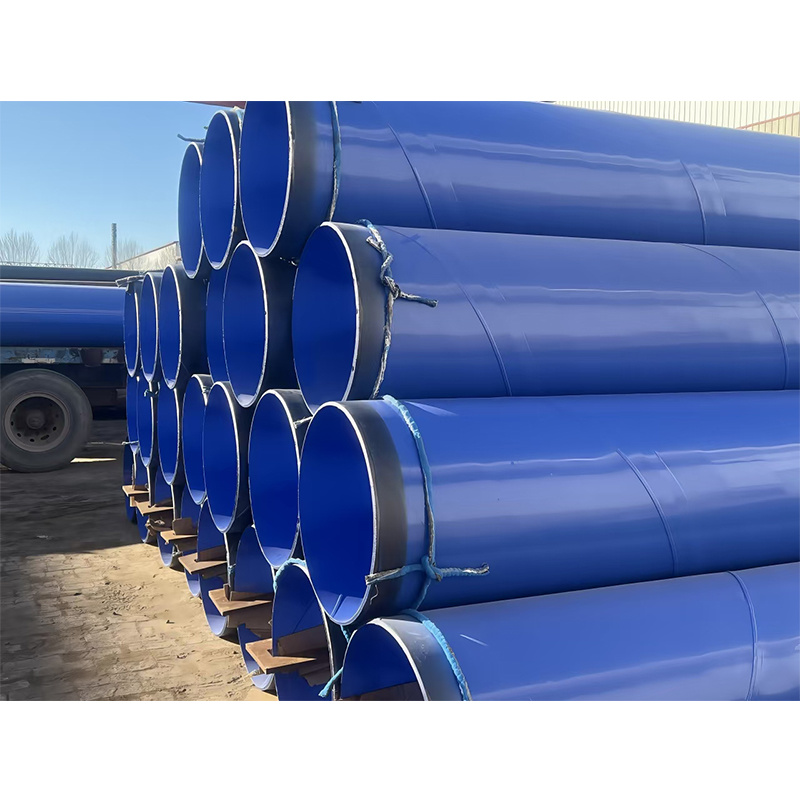
Insulated steel pipes are specialized piping systems designed to transport fluids while minimizing heat loss or gain. They consist of a steel core, which provides structural integrity, and insulation layers that enhance thermal performance. This unique composition allows insulated steel pipes to maintain the desired temperature of the transported fluids, making them ideal for various applications, particularly in underground settings.
Moreover, these pipes are engineered to withstand external pressures, corrosive environments, and thermal fluctuations, ensuring longevity and reliability. The insulation material used is often foam or other advanced composite materials, which not only provides thermal resistance but also contributes to the overall durability of the pipe.
Benefits of Using Insulated Steel Pipes
The adoption of insulated steel pipes in construction projects offers numerous benefits:
1. Enhanced Thermal Efficiency
Insulated steel pipes significantly reduce heat loss or gain, leading to improved energy efficiency. This is particularly beneficial in applications involving hot water or steam transport, where maintaining temperature is essential.
2. Corrosion Resistance
The steel core is often coated or treated to resist corrosion, prolonging the lifespan of the piping system. This is crucial in underground installations where moisture and soil conditions can lead to accelerated deterioration.
3. Cost-Effectiveness
By minimizing heat loss, insulated steel pipes can lead to lower energy bills and reduced operational costs. The initial investment is often recouped through long-term savings in energy and maintenance.
4. Flexibility in Installation
These pipes can be installed in various configurations and are adaptable to different soil conditions, making them suitable for diverse projects. Their lightweight nature compared to traditional piping materials also facilitates easier handling and installation.
5. Sustainability
With a focus on energy efficiency and reduced resource consumption, insulated steel pipes align with sustainable construction practices. Their longevity and recyclability further enhance their environmental credentials.
Applications of Insulated Steel Pipes in Construction
The versatility of insulated steel pipes makes them ideal for a wide range of applications:
1. District Heating Systems
These pipes are extensively used in district heating projects, where hot water is supplied from a centralized location to multiple buildings. The insulation ensures minimal heat loss during transmission, enhancing overall system efficiency.
2. Industrial Process Piping
In industries such as petrochemical and food processing, insulated pipes are crucial for transporting fluids at controlled temperatures. They ensure product quality and safety while minimizing energy usage.
3. Geothermal Heating and Cooling
Insulated steel pipes play a vital role in geothermal systems, where they transport water or refrigerants underground. Their insulation helps maintain the temperature of the fluid, optimizing system performance.
4. Snow Melting Systems
In colder climates, these pipes are used in snow melting applications for driveways and walkways. The insulation prevents heat loss, ensuring efficient snow melting even in low temperatures.
5. Water Distribution Networks
Insulated steel pipes are also applicable in municipal water distribution systems, ensuring that water is delivered at a consistent temperature, which is critical for maintaining water quality.
Advanced Manufacturing Techniques for Insulated Pipes
The production of insulated steel pipes involves cutting-edge techniques that enhance their performance and durability:
1. Advanced Coating Technologies
Modern coating technologies, such as fusion-bonded epoxy, provide superior corrosion resistance, ensuring that the pipes withstand harsh environmental conditions.
2. Precision Insulation Application
Automated processes for applying insulation materials ensure uniformity and consistency, enhancing the thermal performance of the pipes.
3. Quality Control Measures
Stringent quality control protocols throughout the manufacturing process guarantee that the finished products meet industry standards and specifications, providing confidence in their reliability.
4. Innovative Joining Techniques
New methods for joining insulated pipes, such as mechanical coupling systems, allow for quicker installations and reduce the risk of leaks, essential for maintaining system integrity.
Sustainability and Environmental Impact
The construction industry is increasingly focused on sustainability, and insulated steel pipes contribute positively in several ways:
1. Energy Conservation
By minimizing heat loss, these pipes save energy, which translates to lower greenhouse gas emissions from heating systems.
2. Reduced Resource Use
Long-lasting materials mean fewer resources are expended on replacements, contributing to a more sustainable lifecycle.
3. Recyclability
At the end of their life cycle, insulated steel pipes can be recycled, further reducing waste and promoting circular economy principles.
Maintenance and Lifespan of Insulated Steel Pipes
To maximize the lifespan of insulated steel pipes, regular maintenance is essential:
1. Periodic Inspections
Conducting regular inspections can help identify any issues, such as corrosion or insulation damage, before they escalate.
2. Addressing Leaks Promptly
Any leaks detected in the system should be addressed immediately to prevent further damage and maintain operational efficiency.
3. Recommended Maintenance Practices
Implementing best practices for maintenance, such as proper drainage and seasonal assessments, can significantly extend the life of insulated steel pipes.
Case Studies: Successful Applications
Examining real-world applications can shed light on the effectiveness of insulated steel pipes:
1. Urban District Heating Project
In a major urban district heating project, insulated steel pipes successfully minimized heat loss, leading to a 30% reduction in energy consumption, showcasing their efficiency in large-scale applications.
2. Food Processing Facility Upgrade
An upgrade to an insulated piping system in a food processing facility resulted in improved product integrity and reduced energy costs, demonstrating the impact of insulated steel pipes on industrial operations.
3. Geothermal System Implementation
A geothermal heating system utilizing insulated steel pipes showed consistent performance and temperature maintenance, proving their effectiveness in renewable energy applications.
Frequently Asked Questions
1. What is the lifespan of insulated steel pipes?
The typical lifespan can range from 30 to 50 years, depending on environmental conditions and maintenance practices.
2. How do insulated steel pipes compare to traditional piping materials?
Insulated steel pipes offer superior thermal efficiency, corrosion resistance, and longevity compared to traditional materials like PVC or uninsulated metal.
3. Are insulated steel pipes environmentally friendly?
Yes, they promote energy conservation and are recyclable, contributing to sustainable construction practices.
4. What types of insulation are commonly used?
Common types include polyurethane foam and fiberglass, chosen for their thermal resistance and durability.
5. Can insulated steel pipes be used in extreme weather conditions?
Absolutely. Their design and materials make them suitable for a wide range of environmental conditions, ensuring consistent performance even in extreme temperatures.
Conclusion
In conclusion, advanced underground insulated steel pipe solutions play a vital role in enhancing the resilience of modern infrastructure. Their unique properties, combined with innovative manufacturing techniques, make them indispensable in various applications, from district heating to industrial processes. As the construction industry continues to evolve, embracing these advanced solutions will not only improve energy efficiency and sustainability but also ensure the longevity and reliability of critical infrastructure systems. The shift towards using insulated steel pipes is not merely a trend but a necessary step towards building a more resilient future.
TAG:
Related Posts

Understanding Plastic-Coated Steel Pipes for Efficient Sewage Systems







Address
Wuliyao Industrial Zone, Yanshan County, Cangzhou City, Hebei Province, China