
Exploring the Latest Innovations in Insulated Pipes for the Oil and Gas Industry
Apr 18,2025
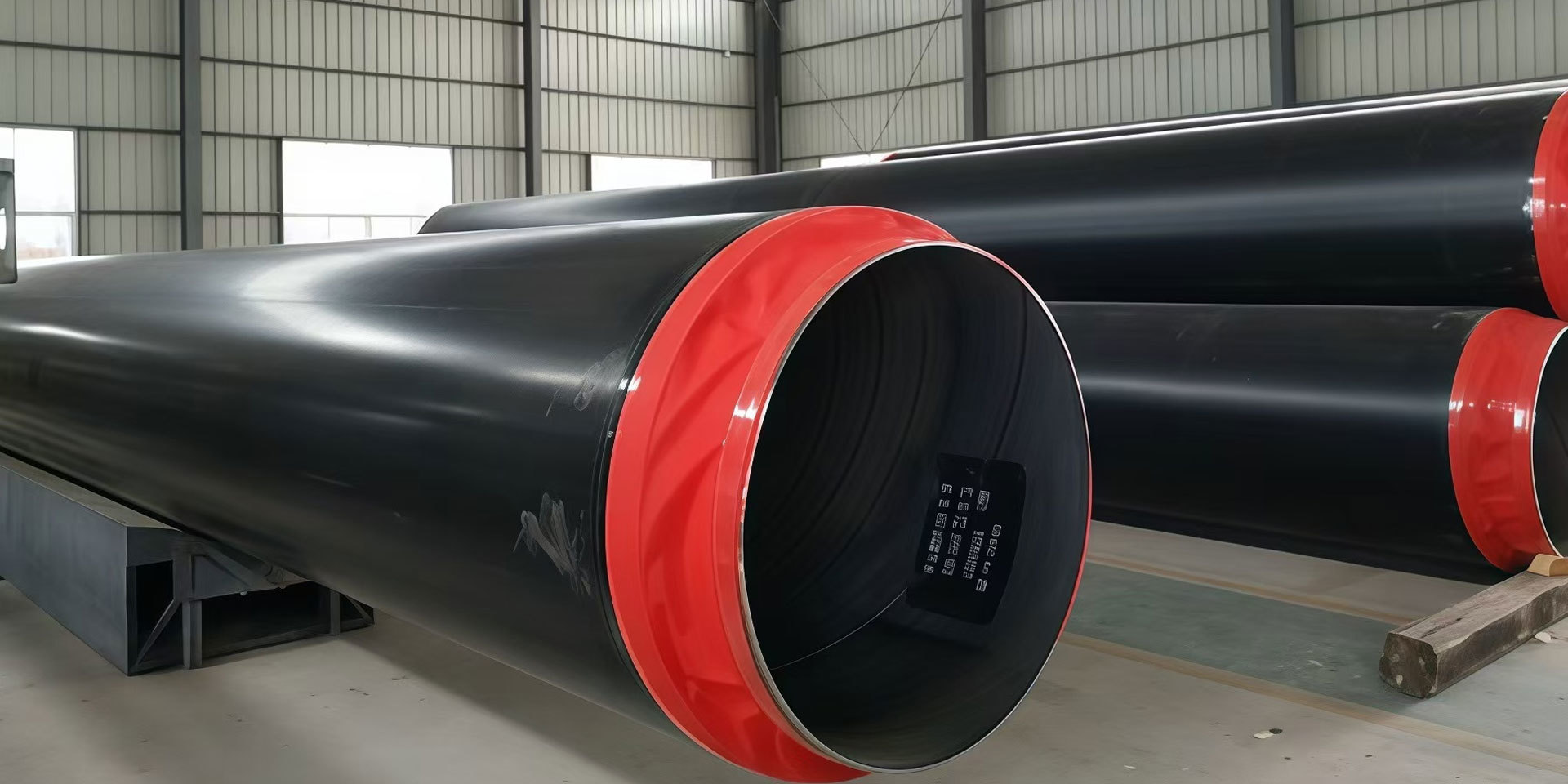
The latest insulated pipes typically feature state-of-the-art materials that offer superior insulation performance. Advanced insulation technologies, such as polyurethane foam or aerogel, significantly increase the thermal resistance of the pipes, enabling them to withstand extreme temperature variations. By minimizing heat loss, these insulated pipes contribute to energy conservation and lower operational costs, making them an attractive choice for companies aiming for sustainability and efficiency.
In addition to thermal insulation, the newest designs also focus on durability and resistance to corrosion. Manufacturers are increasingly incorporating high-grade steel and protective coatings to ensure that the pipes can endure harsh environmental conditions, including exposure to chemicals and moisture. This durability is essential for maintaining the integrity of the pipeline over extended periods, thereby reducing maintenance costs and downtime.
Installing insulated pipes in oil and gas operations also enhances safety. By preventing excessive heat loss and maintaining fluid temperatures, these pipes lower the risk of pressure fluctuations that can lead to dangerous situations. Furthermore, the effective insulation helps to minimize the risk of freezing in colder climates, ensuring a reliable flow of materials.
The versatility of insulated pipes allows them to be used in various applications within the oil and gas industry, including in refineries, petrochemical plants, and offshore platforms. Their ability to retain heat makes them ideal for transporting heated fluids, such as oil, steam, and hot water, while also being suitable for cold applications, such as liquefied natural gas (LNG) transport.
Moreover, the integration of smart technologies in these insulated pipes is on the rise. Some of the newest models are equipped with sensors that monitor temperature, pressure, and flow rates in real-time. This data can be invaluable for maintenance planning and operational optimization, allowing companies to make informed decisions based on accurate and timely information.
In conclusion, the newest insulated pipes for the oil and gas industry represent a significant advancement in transportation technology. With their enhanced thermal efficiency, durability, and safety features, they are set to play a crucial role in the future of energy transportation. As the industry continues to evolve, staying informed about these innovations will be vital for professionals looking to improve their operations and maintain a competitive edge.
TAG:
Related Posts

Understanding Plastic-Coated Steel Pipes for Efficient Sewage Systems







Address
Wuliyao Industrial Zone, Yanshan County, Cangzhou City, Hebei Province, China