
Why Insulated Steel Pipes Are Essential for Cost-Effective Construction
Apr 19,2025
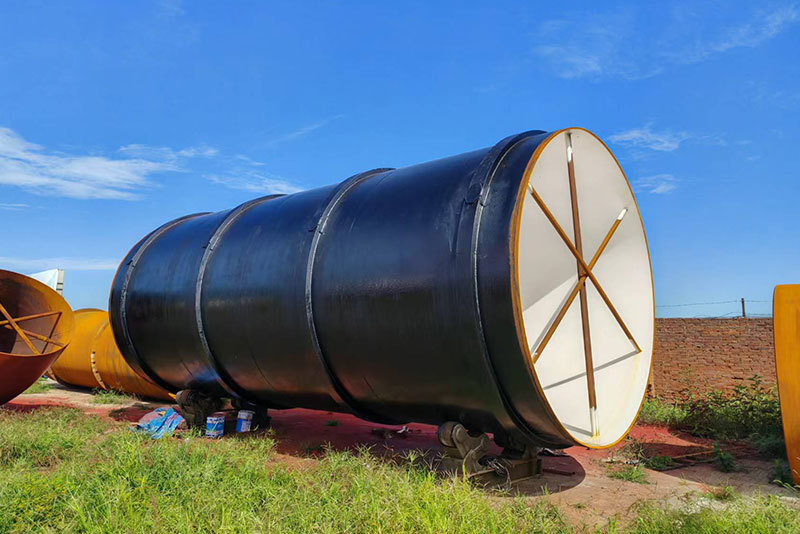
Why Insulated Steel Pipes Are Essential for Cost-Effective Construction
Introduction
In the ever-evolving world of construction, efficiency and cost-effectiveness are paramount. Among the many materials that can be utilized, **insulated steel pipes** have emerged as a cornerstone of modern building practices. Their ability to provide thermal insulation, reduce energy loss, and enhance durability makes them an essential choice for builders and contractors alike. This article aims to delve deep into the myriad benefits of insulated steel pipes and elucidate why they are indispensable for cost-effective construction.
Table of Contents
1. Understanding Insulated Steel Pipes
2. Key Benefits of Insulated Steel Pipes
- 2.1 Energy Efficiency
- 2.2 Cost Savings
- 2.3 Enhanced Durability
3. Applications of Insulated Steel Pipes
4. Materials Used in Insulated Steel Pipes
5. Installation Process of Insulated Steel Pipes
6. Maintaining Insulated Steel Pipes for Longevity
7. Regulatory Standards for Insulated Steel Pipes
8. The Future of Insulated Steel Pipes in Construction
9. Frequently Asked Questions (FAQs)
10. Conclusion
Understanding Insulated Steel Pipes
Insulated steel pipes are critical components used in various industrial and construction applications. These pipes consist of a steel core surrounded by a layer of insulation, which can be made from materials such as polyurethane foam, fiberglass, or mineral wool. The primary purpose of this insulation is to minimize heat transfer, thereby maintaining the temperature of the contents flowing through the pipes.
Key Benefits of Insulated Steel Pipes
Understanding the benefits of insulated steel pipes is crucial for construction professionals aiming to optimize their projects.
Energy Efficiency
One of the most significant advantages of insulated steel pipes is their contribution to **energy efficiency**. By reducing heat loss, these pipes ensure that heating and cooling systems operate more effectively, leading to lower energy costs. In commercial buildings, where energy consumption can be substantial, this efficiency translates to significant savings over time.
Cost Savings
In conjunction with energy efficiency, insulated steel pipes result in **cost savings**. The reduced energy requirements can lead to decreased utility bills, allowing construction projects to stay within budget. Additionally, the durability of these pipes means fewer replacements and repairs, further enhancing their cost-effectiveness over the long term.
Enhanced Durability
Insulated steel pipes are designed to withstand harsh conditions. Their robust construction not only ensures longevity but also enhances resilience against environmental factors. This durability makes them an ideal choice for both indoor and outdoor applications, as they can resist corrosion and degradation over time.
Applications of Insulated Steel Pipes
Insulated steel pipes have a wide range of applications across various sectors. Some common uses include:
- **Heating Systems:** Insulated steel pipes are extensively used in district heating systems and boiler installations, where maintaining optimal temperatures is vital.
- **Chilled Water Systems:** In air conditioning systems, these pipes help transport chilled water efficiently, ensuring effective cooling in large buildings.
- **Industrial Processes:** Many industrial operations rely on insulated pipes for the transport of hot or cold fluids, safeguarding against energy loss and ensuring process efficiency.
Materials Used in Insulated Steel Pipes
The selection of insulation materials is crucial in determining the performance of insulated steel pipes. Common materials include:
- **Polyurethane Foam:** This material provides excellent thermal resistance and is lightweight, making it a popular choice for many applications.
- **Fiberglass:** Known for its high tensile strength and resistance to thermal conductivity, fiberglass is often used in high-temperature settings.
- **Mineral Wool:** This material offers excellent fire-resistance properties and is often favored in industrial applications.
Installation Process of Insulated Steel Pipes
The installation of insulated steel pipes requires careful planning and execution. Here’s a concise overview of the process:
1. **Site Assessment:** Before installation, conduct a thorough site analysis to determine the best routing and installation methods for the pipes.
2. **Preparation:** Ensure all tools and materials are ready, including insulation materials, adhesives, and protective gear.
3. **Pipe Installation:** Begin by laying down the steel pipes, securing them in place, and ensuring they are aligned correctly.
4. **Insulation Application:** Apply the insulation around the pipes, ensuring complete coverage to maximize thermal resistance.
5. **Final Inspection:** Once installed, conduct a final inspection to ensure that all connections are secure and that the insulation is intact.
Maintaining Insulated Steel Pipes for Longevity
Proper maintenance is essential for ensuring the longevity of insulated steel pipes. Regular inspections should be conducted to check for signs of wear, damage, or moisture infiltration. Cleaning the pipes and insulation, as well as addressing any issues promptly, is vital for maintaining efficiency.
Regulatory Standards for Insulated Steel Pipes
Compliance with industry standards is crucial when installing insulated steel pipes. Various regulatory bodies provide guidelines that dictate the materials, installation practices, and maintenance procedures. Familiarizing oneself with these standards not only ensures safety and quality but also enhances the overall effectiveness of the construction project.
The Future of Insulated Steel Pipes in Construction
As the construction industry increasingly prioritizes sustainability and energy efficiency, the use of insulated steel pipes will likely expand. Innovations in insulation materials and installation techniques promise to enhance performance, making these pipes an even more attractive option for builders looking to reduce costs and environmental impact.
Frequently Asked Questions (FAQs)
1. What is the primary purpose of insulated steel pipes?
The primary purpose of insulated steel pipes is to reduce heat transfer, which helps maintain the temperature of the fluids inside, optimizing energy efficiency in heating and cooling systems.
2. How do insulated steel pipes contribute to cost savings?
By minimizing energy loss, insulated steel pipes reduce utility costs and extend the lifespan of heating and cooling systems, leading to significant cost savings over time.
3. Are insulated steel pipes suitable for outdoor use?
Yes, insulated steel pipes are designed to withstand harsh environmental conditions, making them suitable for both indoor and outdoor applications.
4. What materials are commonly used for insulation in steel pipes?
Common insulation materials include polyurethane foam, fiberglass, and mineral wool, each offering unique benefits based on the specific application.
5. How can I maintain insulated steel pipes to ensure their longevity?
Regular inspections and cleaning, along with prompt repairs of any damage or moisture infiltration, are essential for maintaining the integrity and efficiency of insulated steel pipes.
Conclusion
Insulated steel pipes are undeniably essential for **cost-effective construction**. Their benefits extend far beyond mere cost savings; they promote energy efficiency, enhance durability, and contribute to sustainable building practices. With an ever-growing focus on reducing energy consumption and optimizing resources, the importance of insulated steel pipes in construction will only continue to rise. By understanding their value and implementing best practices in installation and maintenance, builders can ensure their projects not only meet today's demands but also pave the way for a more efficient, sustainable future.
TAG:
Related Posts

Understanding Plastic-Coated Steel Pipes for Efficient Sewage Systems







Address
Wuliyao Industrial Zone, Yanshan County, Cangzhou City, Hebei Province, China