Understanding China’s Insulated Pipeline Systems: An Essential Guide for Industrial Applications
May 16,2025
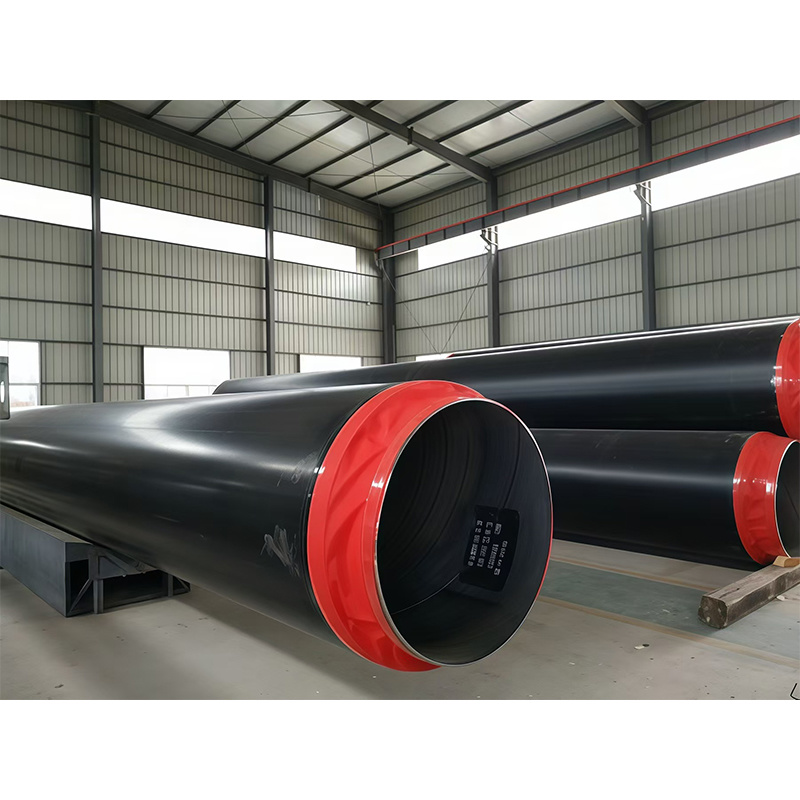
Insulated pipeline systems are crucial in a variety of industrial applications, particularly in settings where temperature control is paramount. In China, as industries continue to expand and modernize, the demand for efficient and reliable insulated pipelines has grown significantly. These systems are designed to transport fluids while minimizing heat loss or gain, making them especially vital fo
Insulated pipeline systems are crucial in a variety of industrial applications, particularly in settings where temperature control is paramount. In China, as industries continue to expand and modernize, the demand for efficient and reliable insulated pipelines has grown significantly. These systems are designed to transport fluids while minimizing heat loss or gain, making them especially vital for processes that require precise temperature management.
One of the main components of insulated pipeline systems is the insulation material itself. This material serves to reduce thermal conductivity, which helps maintain the desired temperature of the fluid being transported. Common insulation materials include polyurethane foam, fiberglass, and rubber. Each material has its unique properties, making them suitable for different temperature ranges and operational environments. Understanding the characteristics of these materials is essential for selecting the right insulation for specific applications.
The benefits of using insulated pipelines are numerous. First and foremost, they enhance energy efficiency by reducing heat loss, which can lead to lower energy costs and improved operational efficiency. Additionally, insulated pipelines can help prevent condensation and freezing, which is critical in cold environments where water-based fluids are transported. By maintaining the fluid's temperature, insulated pipelines also contribute to the overall integrity of the process, ensuring that the fluids remain within their desired parameters.
In China, insulated pipeline systems are widely used in various sectors, including chemical processing, oil and gas, and building services. Each of these industries relies on the consistent performance of insulated pipelines to transport fluids safely and efficiently. For example, in the chemical processing industry, maintaining the proper temperature is essential for reactions to occur at the desired rate. Similarly, in oil and gas applications, insulated pipelines are vital for ensuring that crude oil and natural gas are delivered at optimal temperatures.
Moreover, as environmental concerns grow, the need for sustainable practices in industrial operations has become increasingly important. Insulated pipelines contribute to sustainability efforts by reducing energy consumption and minimizing waste. This alignment with global sustainability goals makes insulated pipelines an attractive option for companies looking to reduce their carbon footprint.
In conclusion, insulated pipeline systems in China are a key component of modern industrial infrastructure. Their ability to maintain temperature, enhance energy efficiency, and prevent operational issues makes them indispensable in various applications. For professionals working in the industrial equipment and components sector, understanding the nuances of insulated pipelines is essential for optimizing operations and ensuring compliance with industry standards. As industries evolve, the role of insulated pipelines will only become more critical in meeting the demands of efficiency and sustainability.
One of the main components of insulated pipeline systems is the insulation material itself. This material serves to reduce thermal conductivity, which helps maintain the desired temperature of the fluid being transported. Common insulation materials include polyurethane foam, fiberglass, and rubber. Each material has its unique properties, making them suitable for different temperature ranges and operational environments. Understanding the characteristics of these materials is essential for selecting the right insulation for specific applications.
The benefits of using insulated pipelines are numerous. First and foremost, they enhance energy efficiency by reducing heat loss, which can lead to lower energy costs and improved operational efficiency. Additionally, insulated pipelines can help prevent condensation and freezing, which is critical in cold environments where water-based fluids are transported. By maintaining the fluid's temperature, insulated pipelines also contribute to the overall integrity of the process, ensuring that the fluids remain within their desired parameters.
In China, insulated pipeline systems are widely used in various sectors, including chemical processing, oil and gas, and building services. Each of these industries relies on the consistent performance of insulated pipelines to transport fluids safely and efficiently. For example, in the chemical processing industry, maintaining the proper temperature is essential for reactions to occur at the desired rate. Similarly, in oil and gas applications, insulated pipelines are vital for ensuring that crude oil and natural gas are delivered at optimal temperatures.
Moreover, as environmental concerns grow, the need for sustainable practices in industrial operations has become increasingly important. Insulated pipelines contribute to sustainability efforts by reducing energy consumption and minimizing waste. This alignment with global sustainability goals makes insulated pipelines an attractive option for companies looking to reduce their carbon footprint.
In conclusion, insulated pipeline systems in China are a key component of modern industrial infrastructure. Their ability to maintain temperature, enhance energy efficiency, and prevent operational issues makes them indispensable in various applications. For professionals working in the industrial equipment and components sector, understanding the nuances of insulated pipelines is essential for optimizing operations and ensuring compliance with industry standards. As industries evolve, the role of insulated pipelines will only become more critical in meeting the demands of efficiency and sustainability.
TAG:
Related Posts
Understanding Plastic-Coated Steel Pipes for Efficient Sewage Systems
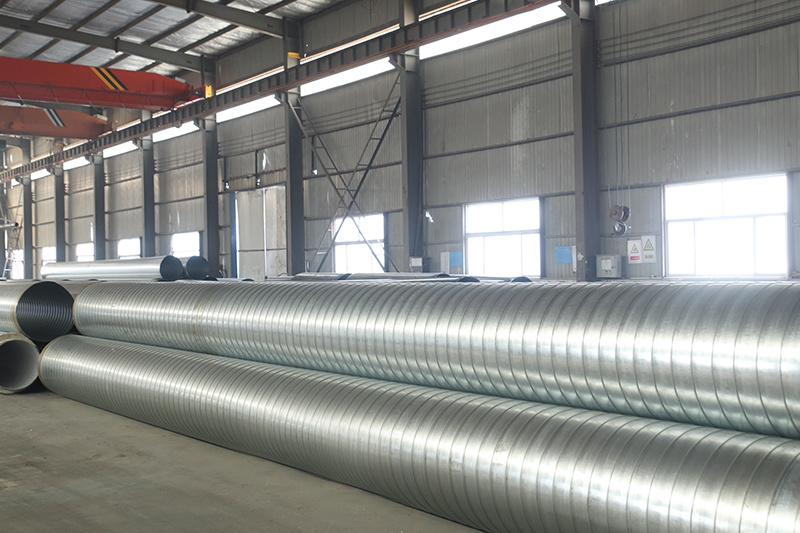
Plastic-coated steel pipes have gained significant attention in the construction industry, particularly in the context of sewage systems. These pipes combine the inherent strength of steel with the protective qualities of plastic, making them an excellent choice for various applications in building and decorating materials.
One of the primary advantages of using plastic-coated steel pipes in sewag