
The Essential Guide to Insulated Pipes for District Heating Factories
May 17,2025
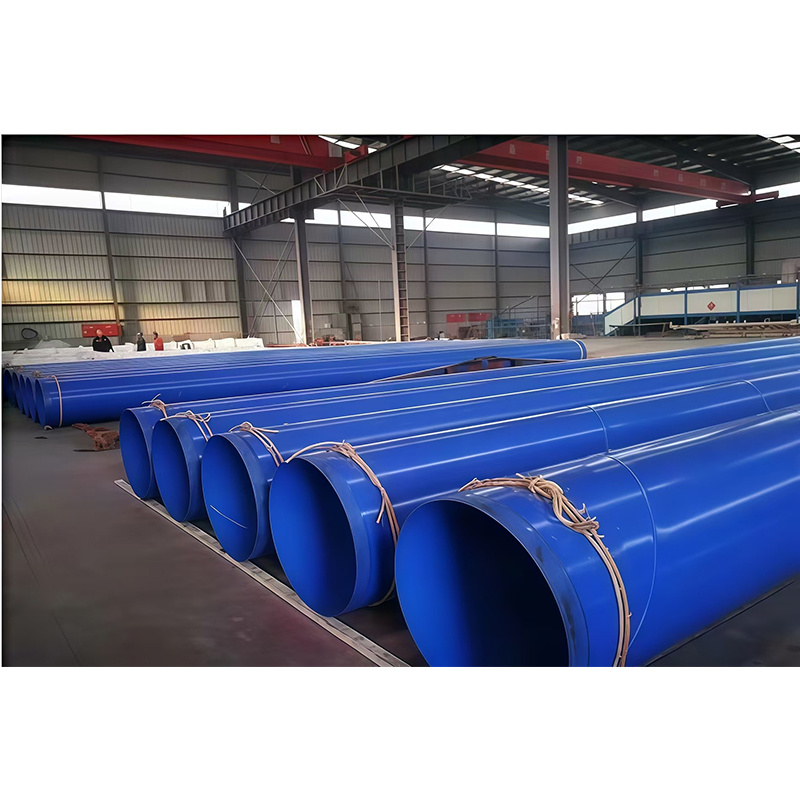
The Essential Guide to Insulated Pipes for District Heating Factories
Table of Contents
- Introduction to Insulated Pipes
- Understanding District Heating Systems
- Types of Insulated Pipes for District Heating
- Benefits of Using Insulated Pipes
- Installation Techniques for Insulated Pipes
- Maintenance and Inspection of Insulated Pipes
- Troubleshooting Common Issues with Insulated Pipes
- Future Trends in Insulated Pipe Technology
- Conclusion
- FAQs
Introduction to Insulated Pipes
Insulated pipes serve as a critical component in district heating systems, delivering hot water and steam efficiently while minimizing energy loss. These pipes are designed to maintain temperature, reduce heat loss, and improve overall energy efficiency in various industrial applications. This guide aims to provide an in-depth understanding of insulated pipes tailored specifically for district heating factories, highlighting their types, benefits, installation techniques, maintenance, and future trends.
Understanding District Heating Systems
District heating is a centralized approach to providing heat to multiple buildings from a single source. This system often includes a network of insulated pipes that transport hot water or steam from a central plant to various consumers. The effectiveness of district heating hinges on the quality of the insulated pipes used, as they play a pivotal role in maintaining the temperature and efficiency of the system.
What are District Heating Systems?
District heating systems consist of a supply network that transports thermal energy in the form of hot water or steam. These systems can utilize various energy sources, including natural gas, biomass, waste heat, and even renewable energy sources. The main advantage is the ability to serve multiple buildings or facilities efficiently, which can lead to substantial energy savings and reduced carbon emissions.
The Role of Insulated Pipes in District Heating
Insulated pipes are vital for transporting heat over long distances with minimal energy loss. These pipes are typically coated with insulation materials that prevent heat escape into the environment, ensuring that consumers receive hot water or steam at the desired temperature. Proper insulation also protects the pipes from environmental factors, extending their lifespan and reducing maintenance costs.
Types of Insulated Pipes for District Heating
Choosing the right type of insulated pipe is crucial for the efficiency and longevity of district heating systems. Several types of insulated pipes are commonly used in the industry, each with unique properties and applications.
1. Pre-insulated Piping Systems
Pre-insulated piping systems are constructed with an outer casing, insulation layer, and an inner pipe, typically made of steel. These pipes are designed for both hot water and steam applications, providing excellent thermal efficiency and low heat loss. Their ease of installation and reduced need for on-site insulation make them a popular choice in district heating.
2. Polyethylene Insulated Pipes
Polyethylene (PE) insulated pipes are lightweight and resistant to corrosion, making them suitable for various applications. They are often used in underground installations due to their flexibility and durability. The insulation material, usually closed-cell foam, helps maintain temperature and reduces energy consumption.
3. Steel Pipes with Insulation Coating
Steel pipes with insulation coating are typically used in high-temperature applications. The insulation is applied directly to the pipe surface, offering a robust solution for industrial environments. This type of pipe is known for its high durability and resistance to mechanical stress.
4. Flexible Insulated Pipe Systems
Flexible insulated pipe systems are advantageous for applications requiring easy installation in tight spaces. These pipes can bend around obstacles, simplifying the installation process in complex layouts. Their lightweight nature makes them easy to handle and reduces labor costs.
5. Composite Insulated Pipes
Composite insulated pipes combine different materials, such as metal and plastic, to optimize performance. They offer excellent thermal insulation properties while maintaining mechanical strength, making them ideal for various applications in district heating.
Benefits of Using Insulated Pipes
The use of insulated pipes in district heating systems offers numerous benefits that contribute to energy efficiency, cost savings, and environmental sustainability.
1. Energy Efficiency
By minimizing heat loss during transport, insulated pipes significantly enhance the energy efficiency of district heating systems. This efficiency translates into lower energy costs for consumers and reduced carbon footprints.
2. Enhanced Durability
Insulated pipes are designed to withstand harsh environmental conditions, ensuring longevity and reducing replacement costs. The insulation protects pipes from corrosion and external damage, making them suitable for various installations.
3. Reduced Operational Costs
With enhanced energy efficiency and reduced maintenance needs, insulated pipes help facilities save on operational costs. This aspect is particularly important for district heating factories where cost management is critical.
4. Improved Safety
Insulated pipes reduce the risk of burns and other injuries associated with exposure to hot surfaces. The insulation provides a protective barrier, ensuring safer operations and compliance with industry safety standards.
5. Environmental Sustainability
Using insulated pipes helps decrease energy consumption and greenhouse gas emissions, supporting environmental sustainability goals. By optimizing energy usage, district heating systems contribute to a cleaner, greener future.
Installation Techniques for Insulated Pipes
Proper installation is crucial for ensuring the performance and longevity of insulated pipes in district heating applications. Adhering to best practices during installation can prevent future issues and maximize the system's efficiency.
1. Site Preparation
Before installation, it is essential to prepare the site adequately. This includes clearing the area of debris, assessing ground conditions, and ensuring proper drainage to prevent water accumulation around the pipes.
2. Proper Trenching
When installing insulated pipes underground, proper trenching is vital. Trenches should be deep enough to accommodate the pipes while allowing for sufficient insulation coverage. It’s also important to follow local regulations regarding trench depth and backfill materials.
3. Pipe Joining Techniques
Different types of insulated pipes require specific joining techniques. For example, steel pipes may need welding, while polyethylene pipes can be joined using fusion methods. Ensuring proper connections is critical for maintaining system integrity and minimizing leaks.
4. Insulation Integrity Checks
After installation, it is crucial to inspect the integrity of the insulation. Any damage or gaps in the insulation can lead to heat loss and reduced efficiency. Conducting thorough inspections can help identify issues before they escalate.
5. Testing and Commissioning
Once installed, the entire system should undergo testing to ensure it operates as intended. This includes pressure tests, temperature checks, and flow rate measurements. Proper commissioning ensures the system meets performance standards and minimizes future operational issues.
Maintenance and Inspection of Insulated Pipes
Regular maintenance and inspection of insulated pipes are essential for ensuring optimal performance and longevity. Implementing a proactive maintenance program can help identify potential issues before they affect the overall system.
1. Routine Visual Inspections
Conducting routine visual inspections allows for the early identification of signs of wear, damage, or corrosion. Inspecting joints, insulation integrity, and overall pipe conditions can help maintain system efficiency.
2. Thermal Imaging Inspections
Using thermal imaging cameras can help detect heat loss and insulation failures. This non-destructive testing method identifies problem areas that may not be visible during a standard inspection.
3. Pressure Monitoring
Regular pressure monitoring helps ensure that the system operates within recommended parameters. Sudden drops in pressure may indicate leaks or blockages that need to be addressed promptly.
4. Cleaning Procedures
Maintaining clean pipes is vital for ensuring efficient heat transfer. Implementing regular cleaning procedures can prevent sediment buildup and other blockages that may impede flow.
5. Documentation and Record-Keeping
Maintaining detailed records of inspections, maintenance activities, and any repairs conducted on insulated pipes is essential. This documentation helps track the system's performance and can assist in making informed decisions regarding upgrades or replacements.
Troubleshooting Common Issues with Insulated Pipes
Despite best practices in installation and maintenance, issues may arise with insulated pipes in district heating systems. Understanding common problems and their solutions can help mitigate challenges effectively.
1. Heat Loss
If excessive heat loss is detected, inspect the insulation for damage or gaps. Repair or replace any compromised sections to restore efficiency.
2. Pressure Drops
Sudden pressure drops may indicate leaks or blockages. Conduct thorough inspections to identify the source of the problem and address it promptly.
3. Corrosion
Corrosion can weaken pipes and lead to leaks. Regular inspections and protective coatings can help mitigate corrosion risk.
4. Joint Failures
Weak or improperly connected joints can lead to leaks and system inefficiencies. Ensure that all joints are adequately sealed and repair any that show signs of failure.
5. Insulation Deterioration
Over time, insulation may deteriorate, leading to increased heat loss. Regular checks and timely replacements are essential to maintain the system's efficiency.
Future Trends in Insulated Pipe Technology
As technology evolves, so too does the field of insulated pipes for district heating. Staying informed of emerging trends can help industry professionals make strategic decisions for future installations.
1. Smart Insulation Systems
The integration of IoT technology in insulated pipes allows for real-time monitoring of temperature, pressure, and other critical parameters. Smart systems can provide alerts for maintenance needs, enhancing system efficiency.
2. Sustainable Materials
The trend towards sustainability is leading to the development of insulated pipes made from eco-friendly materials. These innovations not only reduce environmental impact but also improve performance.
3. Advanced Insulation Techniques
New insulation materials and techniques are being developed to enhance thermal efficiency further. Exploring advanced options can help district heating factories optimize their systems.
4. Retrofitting and Upgrading
As systems age, retrofitting existing insulated pipes with new technologies can improve efficiency and performance. This trend is becoming increasingly popular as facilities seek to enhance their operations without complete overhauls.
5. Regulatory Changes
As environmental regulations tighten, the demand for more efficient and sustainable insulated pipes will increase. Staying ahead of regulatory changes can help district heating factories adapt and thrive in a competitive market.
Conclusion
Insulated pipes are essential to the efficiency and effectiveness of district heating factories. By understanding the types, benefits, installation techniques, and maintenance practices associated with these pipes, industry professionals can optimize their systems for enhanced performance and sustainability. As technology continues to evolve, staying informed about emerging trends will ensure that district heating facilities remain competitive and environmentally responsible.
FAQs
1. What are insulated pipes used for in district heating systems?
Insulated pipes transport hot water or steam from a central heating plant to multiple consumers, minimizing energy loss and ensuring efficient heat delivery.
2. How do insulated pipes reduce energy costs?
By preventing heat loss during transport, insulated pipes help maintain the desired temperature, which reduces energy consumption and operational costs.
3. What are the maintenance requirements for insulated pipes?
Regular inspections, cleaning, and monitoring for pressure and temperature are essential to ensure the efficient operation and longevity of insulated pipes.
4. Can insulated pipes be used for both hot water and steam?
Yes, many types of insulated pipes are designed for both hot water and steam applications, making them versatile for various district heating systems.
5. What materials are commonly used for insulation in insulated pipes?
Common insulation materials include closed-cell foam, polyurethane, and fiberglass, which provide effective thermal insulation and protect against environmental damage.
Related Posts

Understanding Plastic-Coated Steel Pipes for Efficient Sewage Systems







Address
Wuliyao Industrial Zone, Yanshan County, Cangzhou City, Hebei Province, China