
3PE Steel Pipes: A Comprehensive Look at Their Performance Metrics
Sep 11,2025
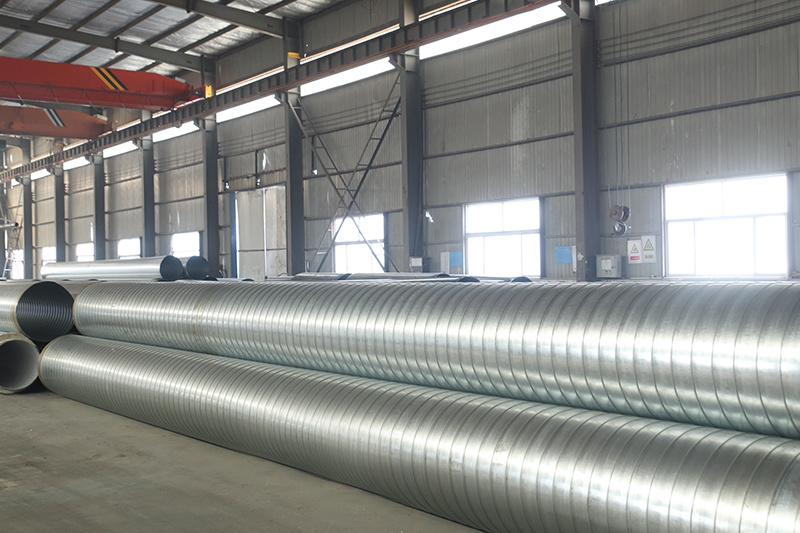
3PE Steel Pipes: A Comprehensive Look at Their Performance Metrics
Introduction to 3PE Steel Pipes
3PE steel pipes, or three-layer polyethylene-coated steel pipes, have gained significant traction in the construction and infrastructure sectors due to their superior protective qualities. The three-layer coating, which includes an epoxy primer, a copolymer adhesive, and a polyethylene outer layer, provides excellent resistance to corrosion and environmental damage. This article will delve into the intricate performance metrics of 3PE steel pipes, examining their attributes, advantages, and real-world applications.
Why Choose 3PE Steel Pipes?
The increasing demand for high-performance materials in construction has led to the widespread adoption of 3PE steel pipes. Below, we will explore the reasons why these pipes have become a preferred choice among engineers and project managers.
Superior Corrosion Resistance
One of the standout features of 3PE steel pipes is their **exceptional corrosion resistance**. The three layers work together to create a formidable barrier against moisture, chemicals, and atmospheric conditions that would typically degrade regular steel pipes. This resistance extends the lifespan of the pipes significantly, making them a cost-effective solution for long-term projects.
Enhanced Durability and Strength
3PE steel pipes are designed to withstand mechanical stress and external impacts. The combination of steel and the protective polyethylene coating ensures that these pipes can endure the rigors of heavy-duty applications. Whether used in underground installations or exposed environments, their durability is unmatched.
Temperature Resistance
These pipes are engineered to maintain their integrity across a wide range of temperatures. From the coldest winters to the hottest summers, 3PE steel pipes retain their functional properties, making them suitable for various climates and environmental conditions.
Performance Metrics of 3PE Steel Pipes
Understanding the performance metrics of 3PE steel pipes is crucial for making informed decisions regarding their use. The following metrics highlight their capabilities.
Pressure Ratings
3PE steel pipes are available in various pressure ratings, making them versatile for different applications. Common pressure ratings range from **PN 10** to **PN 25**, which indicates their ability to handle the specified internal pressure. Selecting the appropriate pressure rating is essential for ensuring system integrity.
Thickness and Diameter Variations
These pipes come in various thicknesses and diameters, allowing for flexibility in design and implementation. Common diameters range from **20 mm** to over **1000 mm**, accommodating a wide array of installation needs.
Longevity and Lifecycle Costing
The lifespan of 3PE steel pipes is often projected to exceed **50 years**, depending on environmental conditions and maintenance. This longevity translates to lower lifecycle costs, as fewer replacements and repairs are required over time. When considering the total cost of ownership, 3PE steel pipes present a compelling value proposition.
Applications of 3PE Steel Pipes
3PE steel pipes are employed in various sectors, showcasing their versatility and reliability.
Water Supply Systems
In municipal water supply systems, 3PE steel pipes serve as a robust solution due to their corrosion resistance and ability to maintain water quality over extended periods. Their durability minimizes leakage and reduces the risk of contamination.
Gas Distribution Networks
The natural gas industry benefits significantly from the use of 3PE steel pipes. Their ability to withstand corrosive elements and mechanical stresses makes them ideal for underground gas pipelines, ensuring safety and reliability in distribution.
Industrial Applications
Industries such as oil and gas, chemicals, and mining rely on the strength and resilience of 3PE steel pipes. These pipes can handle aggressive chemicals and high pressures, making them suitable for transporting various substances.
Installation and Maintenance of 3PE Steel Pipes
Proper installation and maintenance of 3PE steel pipes are critical to maximizing their performance and lifespan.
Installation Guidelines
When installing 3PE steel pipes, it is essential to follow standard procedures to prevent damage to the protective coating. Avoiding impact during transportation and installation, using appropriate tools, and ensuring a clean connection are vital steps in the process.
Maintenance Practices
Although 3PE steel pipes require minimal maintenance due to their durable nature, periodic inspections are recommended. Checking joints and connections for signs of wear or corrosion can prevent potential issues and extend the pipes' lifespan.
Cost Considerations for 3PE Steel Pipes
While the initial investment for 3PE steel pipes may be higher than conventional steel pipes, the long-term savings are substantial. Factors influencing cost include:
Material Costs
The price of raw materials, including steel and polyethylene, can fluctuate based on market conditions. However, investing in high-quality 3PE steel pipes often pays off due to their durability.
Installation Costs
The complexity of the installation process can influence overall costs. Hiring skilled labor familiar with 3PE pipes can ensure proper handling and installation, which is crucial for performance.
Operational Savings
The reduced need for repairs and replacements over time contributes to lower operational costs. Additionally, the enhanced efficiency of water and gas flow can lead to cost savings in utility bills.
Comparing 3PE Steel Pipes with Other Coated Pipes
To fully appreciate the advantages of 3PE steel pipes, it is beneficial to compare them with other coated options, such as FBE (Fusion Bonded Epoxy) and PE (Polyethylene) coated pipes.
3PE vs. FBE Coated Pipes
While FBE-coated pipes provide excellent resistance to corrosion, they lack the additional layer of polyethylene that enhances impact resistance. 3PE pipes offer superior protection against both corrosion and mechanical damage, making them a preferable choice for many applications.
3PE vs. PE Coated Pipes
PE coated pipes are lightweight and easier to handle but may not provide the same level of protection against corrosion as 3PE pipes. The added epoxy layer in 3PE pipes offers enhanced performance and durability, particularly in harsh environments.
Environmental Impact and Sustainability
As industries move towards sustainable practices, the environmental impact of materials becomes increasingly important.
Recyclability of 3PE Steel Pipes
3PE steel pipes are recyclable at the end of their lifecycle, contributing to a circular economy. The steel can be repurposed, and the polyethylene coating can be processed for reuse, minimizing waste.
Energy Efficiency in Production
The production process of 3PE steel pipes is becoming more energy-efficient, with manufacturers implementing technologies that reduce emissions and energy consumption, aligning with ecological sustainability goals.
FAQs about 3PE Steel Pipes
1. What is the lifespan of 3PE steel pipes?
3PE steel pipes typically have a lifespan of over 50 years, depending on environmental conditions and maintenance.
2. Can 3PE steel pipes be used for both water and gas applications?
Yes, 3PE steel pipes are suitable for both water supply systems and gas distribution networks due to their durability and corrosion resistance.
3. Are 3PE steel pipes more expensive than traditional steel pipes?
Yes, the initial investment in 3PE steel pipes may be higher, but they offer long-term savings due to their durability and reduced maintenance needs.
4. How do I ensure proper installation of 3PE steel pipes?
Follow standard installation procedures, avoid impact during handling, and ensure clean connections to maximize the performance of 3PE steel pipes.
5. Are 3PE steel pipes environmentally friendly?
Yes, they are recyclable, and their production is becoming more energy-efficient, aligning with sustainable practices.
Conclusion
In conclusion, **3PE steel pipes** represent a significant advancement in piping technology, offering unparalleled performance metrics that meet the demands of modern construction and industry. With their superior corrosion resistance, durability, and versatility, these pipes are a smart investment for a variety of applications. As the industry continues to evolve, the role of 3PE steel pipes in ensuring safe and efficient infrastructure will only grow, making them an invaluable asset in construction and beyond.
TAG:
Related Posts

Understanding Plastic-Coated Steel Pipes for Efficient Sewage Systems







Address
Wuliyao Industrial Zone, Yanshan County, Cangzhou City, Hebei Province, China