
The Advantages of Using Plastic Coated Steel Pipes in Building Materials
Sep 11,2025
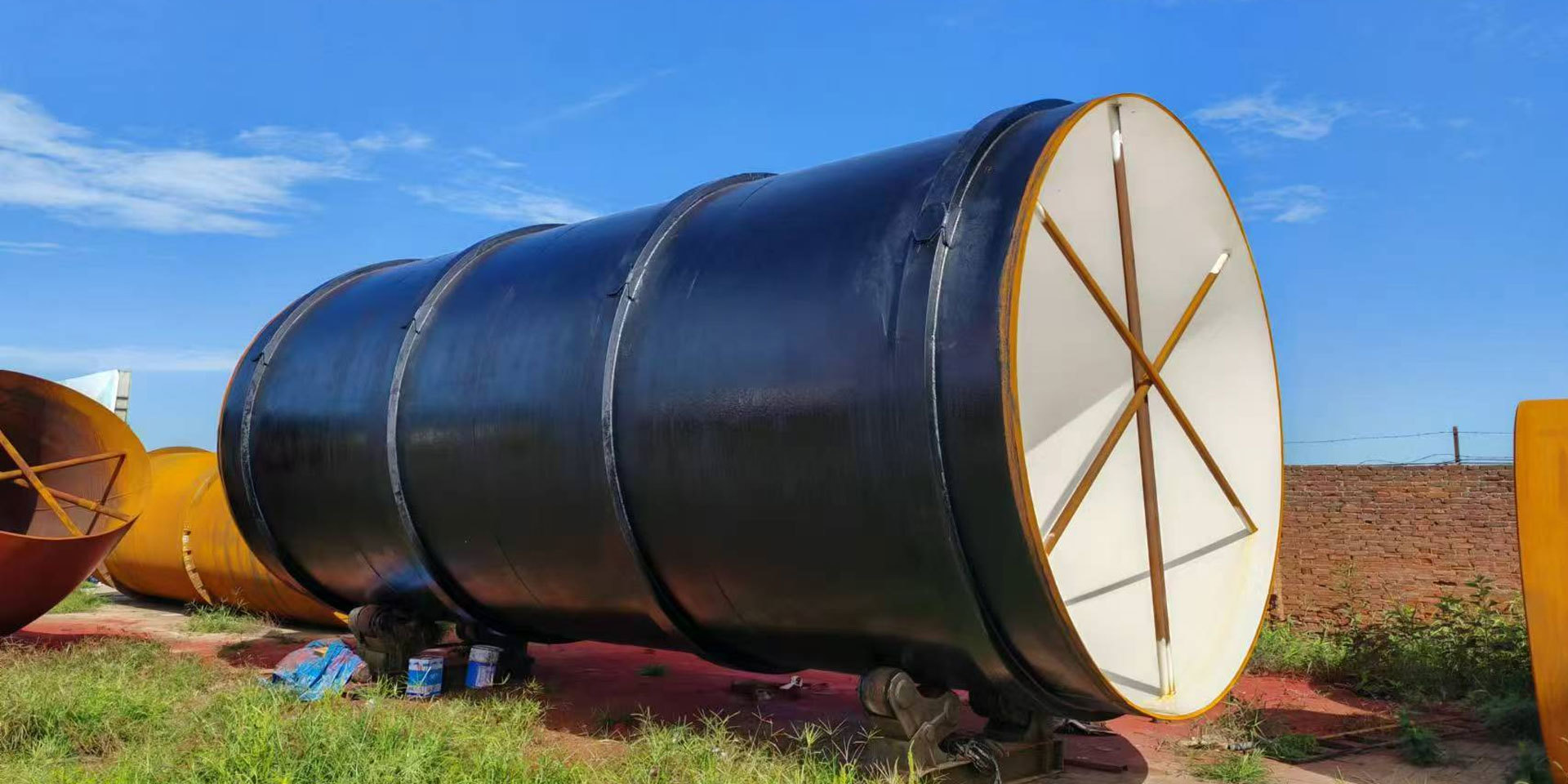
The Advantages of Using Plastic Coated Steel Pipes in Building Materials
Table of Contents
- 1. Introduction to Plastic Coated Steel Pipes
- 2. What are Plastic Coated Steel Pipes?
- 3. Key Benefits of Plastic Coated Steel Pipes
- 3.1 Corrosion Resistance
- 3.2 Enhanced Durability
- 3.3 Thermal Insulation Properties
- 3.4 Cost-Effectiveness
- 4. Applications of Plastic Coated Steel Pipes in Construction
- 5. Installation Process and Considerations
- 6. Maintenance Tips for Plastic Coated Steel Pipes
- 7. Comparing Plastic Coated Steel Pipes to Other Materials
- 8. Frequently Asked Questions
- 9. Conclusion
1. Introduction to Plastic Coated Steel Pipes
In the world of construction, the **choice of materials** plays a critical role in determining the longevity, safety, and efficiency of a project. Among the myriad options available, **plastic coated steel pipes** have emerged as a preferred choice for many builders and architects. Their unique combination of steel's strength and plastic's protective properties offers a range of advantages that meet the demands of modern construction.
2. What are Plastic Coated Steel Pipes?
Plastic coated steel pipes are essentially steel pipes that have been coated with a layer of plastic to enhance their performance. This coating serves multiple purposes, primarily aimed at improving the pipe's durability and resistance to environmental factors. The most common types of plastics used for coating include **polyethylene (PE)** and **polyvinyl chloride (PVC)**. These materials provide a protective barrier that prevents corrosion and other forms of degradation, making them ideal for various construction applications.
3. Key Benefits of Plastic Coated Steel Pipes
The advantages of using plastic coated steel pipes in building materials extend beyond mere aesthetics. Below, we delve into some of the most significant benefits that these pipes offer.
3.1 Corrosion Resistance
One of the most notable benefits of plastic coated steel pipes is their **superior corrosion resistance**. Traditional steel pipes are susceptible to oxidation and rust, especially in moist or chemically aggressive environments. The plastic coating acts as a barrier, protecting the underlying steel from moisture and corrosive agents. This resistance contributes to a longer lifespan for the pipes, reducing the need for frequent replacements.
3.2 Enhanced Durability
The combination of steel and plastic results in a **highly durable product**. Steel pipes are known for their strength and load-bearing capacity, while the plastic coating provides shock resistance and minimizes the risk of damage from external impacts. This enhanced durability makes plastic coated steel pipes suitable for a variety of applications, including underground installations and areas with high traffic.
3.3 Thermal Insulation Properties
Another advantage of plastic coated steel pipes is their **thermal insulation properties**. The plastic layer reduces heat transfer, helping to maintain temperature control within the pipes. This is particularly beneficial for piping systems that carry hot or cold liquids, as it minimizes energy loss and enhances overall efficiency.
3.4 Cost-Effectiveness
While the initial investment in plastic coated steel pipes may be higher than that of traditional steel pipes, the **cost-effectiveness** of these materials emerges over time. Their resistance to corrosion and durability significantly reduce maintenance costs and extend the replacement cycles. This translates into long-term savings for construction projects, making plastic coated steel pipes a wise financial choice.
4. Applications of Plastic Coated Steel Pipes in Construction
Plastic coated steel pipes are versatile and find applications in various sectors of the construction industry. Below are some common uses:
- Water Supply Systems: Their corrosion resistance makes them ideal for plumbing and water supply applications.
- Gas Distribution: The durability and safety features of these pipes are critical in gas distribution systems.
- Industrial Applications: They are widely used in factories and warehouses for transporting liquids and gases.
- Structural Support: The strength of the steel allows them to be used in structural applications, offering support for buildings and bridges.
5. Installation Process and Considerations
When it comes to installing plastic coated steel pipes, certain considerations must be made to ensure optimal performance:
- Site Preparation: Ensure that the installation area is clear of debris and obstructions that could damage the pipes.
- Cutting and Joining: Use appropriate tools for cutting and joining to avoid damaging the plastic coating.
- Support Structures: Properly support the pipes to prevent sagging or bending.
Following these guidelines will help ensure a successful installation process, leading to longer-lasting results.
6. Maintenance Tips for Plastic Coated Steel Pipes
While plastic coated steel pipes are relatively low maintenance, implementing a few simple practices can extend their lifespan even further:
- Regular Inspections: Periodically inspect pipes for any signs of wear or damage.
- Cleaning: Keep the pipes clean to prevent the buildup of contaminants that could affect performance.
- Prompt Repairs: Address any issues immediately to prevent further damage.
Adhering to these maintenance tips will ensure that your plastic coated steel pipes continue to perform at their best.
7. Comparing Plastic Coated Steel Pipes to Other Materials
When selecting piping materials, it is essential to consider alternatives and how they stack up against plastic coated steel pipes.
- Stainless Steel: While stainless steel offers corrosion resistance, it is often more expensive and not as strong under impact as plastic coated steel pipes.
- PVC Pipes: PVC pipes are lightweight and resistant to corrosion but lack the strength and durability of steel.
- Copper Pipes: Copper is an excellent material but tends to be costlier and more susceptible to corrosion compared to plastic coated options.
Overall, plastic coated steel pipes provide an impressive balance of strength, cost-effectiveness, and durability that makes them a superior choice in many applications.
8. Frequently Asked Questions
1. What makes plastic coated steel pipes different from regular steel pipes?
Plastic coated steel pipes feature an outer layer of plastic that protects against corrosion and enhances durability, unlike regular steel pipes that are more vulnerable to degradation.
2. Can plastic coated steel pipes be used for high-temperature applications?
Yes, plastic coated steel pipes can withstand high temperatures, depending on the type of plastic used for the coating. It's essential to consult the manufacturer for specific temperature ratings.
3. Are plastic coated steel pipes environmentally friendly?
The plastic coating drastically reduces the need for replacements and repairs, minimizing waste. Additionally, many manufacturers are adopting sustainable practices in production.
4. How long can I expect plastic coated steel pipes to last?
With proper installation and maintenance, these pipes can last several decades, often outlasting traditional steel or other materials.
5. What are the best practices for installing plastic coated steel pipes?
Ensure site preparation, use appropriate cutting tools, and provide adequate support to prevent bending or sagging during installation.
9. Conclusion
Plastic coated steel pipes represent an innovative solution in the construction industry, offering a blend of strength, durability, and cost-effectiveness. Their advantages, including corrosion resistance and thermal insulation properties, make them an ideal choice for various applications, from plumbing systems to structural support. By understanding their benefits and best practices for installation and maintenance, builders can ensure the longevity and efficiency of their projects. With the right materials in place, construction professionals can confidently tackle any challenge, knowing they have chosen one of the best options available.
TAG:
Related Posts

Understanding Plastic-Coated Steel Pipes for Efficient Sewage Systems







Address
Wuliyao Industrial Zone, Yanshan County, Cangzhou City, Hebei Province, China