
3PE Anti-Corrosion Steel Pipes: The Key to Long-lasting Structures
Oct 12,2025
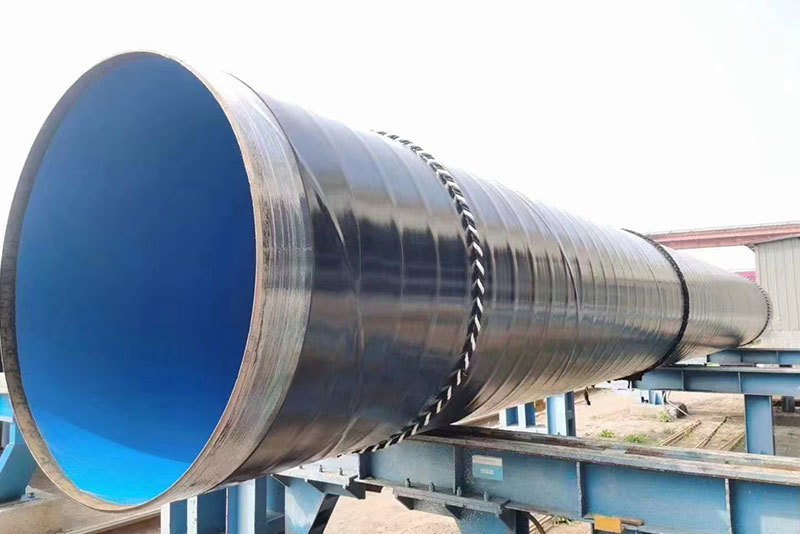
3PE Anti-Corrosion Steel Pipes: The Key to Long-lasting Structures
Table of Contents
- Introduction to 3PE Anti-Corrosion Steel Pipes
- What is 3PE Coating?
- Benefits of 3PE Steel Pipes
- Applications of 3PE Anti-Corrosion Steel Pipes
- How 3PE Coating Works
- Installation and Maintenance of 3PE Steel Pipes
- Choosing the Right 3PE Steel Pipe for Your Project
- Conclusion
- FAQs
Introduction to 3PE Anti-Corrosion Steel Pipes
In the realm of construction and infrastructure, the durability and longevity of materials play a pivotal role. Amongst these materials, **3PE anti-corrosion steel pipes** have emerged as a critical innovation. Designed to withstand harsh environmental conditions, these pipes are engineered for superior resistance against corrosion, ensuring that the structures utilizing them remain intact and functional for extended periods.
As urbanization accelerates and infrastructure demands increase, the need for reliable and long-lasting solutions becomes ever more apparent. This article delves into the various aspects of 3PE anti-corrosion steel pipes, exploring their composition, benefits, applications, and much more.
What is 3PE Coating?
3PE, or **three-layer polyethylene**, refers to a specialized coating system typically applied to steel pipes. This multilayered approach combines three different materials to provide unmatched protection against corrosion:
1. **Epoxy Primer**: The first layer, an epoxy coating, is applied directly on the steel surface to ensure adherence and corrosion resistance.
2. **Adhesive Layer**: A second adhesive layer ensures that the polyethylene coating bonds securely to the epoxy layer, providing additional protection.
3. **Polyethylene Outer Layer**: The final outer layer of polyethylene offers excellent resistance to mechanical damage and environmental factors, forming a robust barrier against corrosive elements.
The synergistic effect of these three layers results in a protective coating that significantly extends the life of steel pipes, making them ideal for various applications across industries.
Benefits of 3PE Steel Pipes
3PE anti-corrosion steel pipes offer numerous advantages, making them a preferred choice for construction professionals. Here are some of the key benefits:
1. Enhanced Corrosion Resistance
The primary advantage of 3PE coating is its exceptional resistance to corrosion. This is particularly beneficial in environments with high moisture content, such as coastal areas or regions prone to heavy rainfall.
2. Increased Durability
With its multilayer protection, 3PE-coated pipes are highly durable. They can withstand physical impacts, temperature fluctuations, and other stresses that may compromise lesser materials.
3. Cost-Effective Solution
While the initial investment in 3PE steel pipes may be higher than traditional options, the long-term savings in maintenance and replacement costs make them a cost-effective choice over time.
4. Versatility in Applications
3PE steel pipes are suitable for a wide range of applications, including oil and gas transportation, water supply systems, and sewage disposal. Their adaptability makes them a valuable option for various sectors.
5. Environmental Benefits
By reducing the frequency of pipe replacements and maintenance, 3PE steel pipes contribute to less waste and lower environmental impact, aligning with sustainable construction practices.
Applications of 3PE Anti-Corrosion Steel Pipes
The versatility of 3PE steel pipes allows them to be utilized in a plethora of applications. Some notable sectors include:
1. Oil and Gas Industry
In the oil and gas sector, the demand for durable piping systems is critical. 3PE steel pipes facilitate the safe transportation of crude oil, natural gas, and refined products, minimizing leakage risks.
2. Water Supply Infrastructure
Municipal water supply systems benefit significantly from 3PE-coated pipes. Their corrosion resistance ensures clean and safe drinking water delivery, which is vital for public health.
3. Wastewater Management
In wastewater systems, 3PE steel pipes can withstand the harsh chemicals present, reducing deterioration and ensuring effective waste disposal.
4. Construction and Civil Engineering
In construction, 3PE pipes are often used for structural applications, including foundations and support systems, due to their strength and endurance.
5. Mining Operations
In mining, the durability of 3PE steel pipes is crucial for transporting minerals and other materials through challenging environments.
How 3PE Coating Works
Understanding the functionality of 3PE coating is essential for appreciating its effectiveness. The process involves:
1. Surface Preparation
Before applying the 3PE coating, the steel surface must be thoroughly cleaned and prepared. This ensures optimal adhesion and maximizes the coating's protective qualities.
2. Application of Epoxy Primer
The epoxy primer is applied using advanced spraying techniques, ensuring an even and consistent layer across the entire surface.
3. Bonding with Adhesive Layer
Once the epoxy layer is cured, an adhesive layer is applied, ensuring that the subsequent polyethylene layer adheres properly to the pipe.
4. Final Layer of Polyethylene
The polyethylene layer is then extruded over the adhesive layer, completing the 3PE coating process. This final layer provides robust mechanical protection and environmental resistance.
Installation and Maintenance of 3PE Steel Pipes
Proper installation and maintenance of 3PE steel pipes are vital for maximizing their lifespan.
1. Installation Guidelines
When installing 3PE-coated pipes, it is essential to ensure that the pipes are aligned correctly and that the joints are securely connected. Utilizing appropriate fittings and techniques can enhance the integrity of the entire system.
2. Regular Inspections
Conducting regular inspections can help identify any potential issues before they escalate. Look for signs of damage or wear on the coating and address them promptly.
3. Cleaning Procedures
Maintaining cleanliness around the installation area helps prevent contamination that can lead to corrosion. Avoid using harsh chemicals that may damage the coating during cleaning processes.
4. Professional Maintenance
Engaging professional services for maintenance tasks ensures that the integrity of the 3PE pipes is upheld, and any necessary repairs are carried out effectively.
Choosing the Right 3PE Steel Pipe for Your Project
Selecting the appropriate 3PE steel pipe for a project involves several considerations.
1. Pipe Diameter and Length
The required diameter and length depend on the specific application and the amount of fluid or material to be transported.
2. Pressure Rating
Consider the pressure conditions under which the pipes will operate. Choosing pipes with suitable pressure ratings is crucial for safety and functionality.
3. Environmental Conditions
Evaluate the environmental conditions where the pipes will be used. Factors such as temperature, humidity, and exposure to chemicals can impact the choice of materials and coatings.
4. Compliance with Standards
Ensure that the selected pipes meet industry standards and regulations. This guarantees their quality and reliability for your specific application.
Conclusion
In conclusion, **3PE anti-corrosion steel pipes** represent a significant advancement in construction materials, offering unparalleled durability and resistance to corrosion. Their multilayered coating system ensures that structures utilizing these pipes can withstand harsh environments and operate efficiently over long periods.
With applications across various industries, from oil and gas to municipal water systems, the versatility and reliability of 3PE steel pipes cannot be overstated. By understanding the benefits, applications, and installation techniques associated with these pipes, stakeholders can make informed decisions that enhance the quality and longevity of their projects.
Incorporating 3PE-coated pipes into infrastructure development is not just a choice—it is a commitment to building robust, long-lasting structures that meet the demands of modern society.
FAQs
1. What makes 3PE steel pipes different from traditional steel pipes?
3PE steel pipes feature a three-layer coating that offers superior corrosion resistance compared to traditional steel pipes, which typically lack such protective measures.
2. How long do 3PE-coated pipes last?
When properly installed and maintained, 3PE-coated pipes can last for several decades, significantly outliving uncoated alternatives.
3. Are 3PE steel pipes suitable for underground applications?
Yes, 3PE steel pipes are ideal for underground applications due to their durability and resistance to soil corrosion.
4. Can 3PE pipes be recycled?
Yes, the materials used in 3PE pipes can be recycled, making them an environmentally friendly choice.
5. What should I look for when purchasing 3PE steel pipes?
Consider factors such as pipe diameter, pressure rating, compliance with industry standards, and the specific environmental conditions of your project.
TAG:
Related Posts

Understanding Plastic-Coated Steel Pipes for Efficient Sewage Systems







Address
Wuliyao Industrial Zone, Yanshan County, Cangzhou City, Hebei Province, China