
Understanding 3PE Anti-Corrosion Pipes: A Comprehensive Guide for Professionals
Oct 15,2025
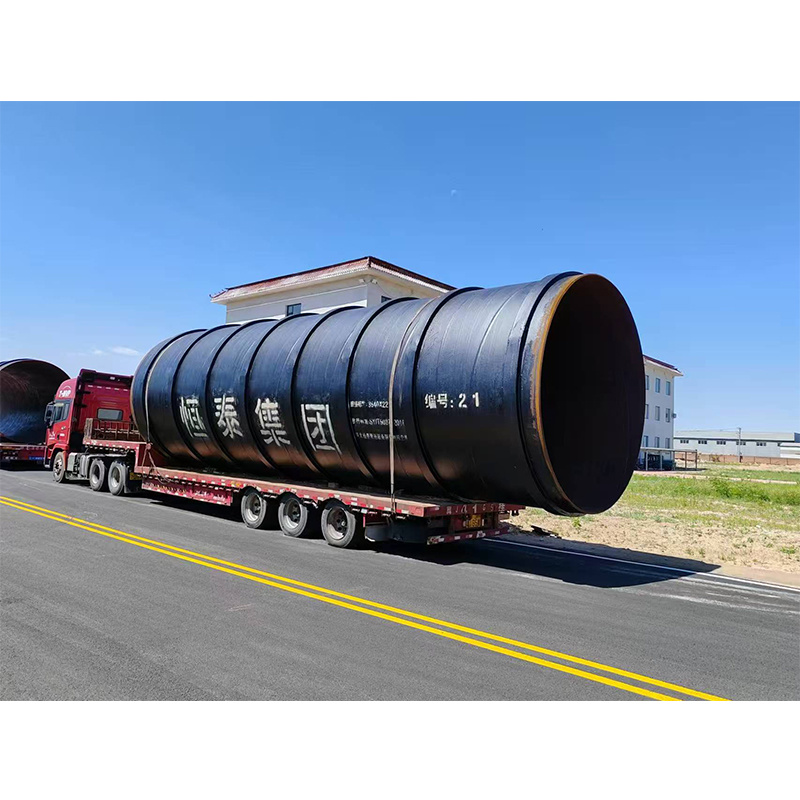
The construction of 3PE pipes involves a sophisticated three-layer coating system. The first layer is typically a fusion-bonded epoxy, which adheres tightly to the pipe surface, providing excellent corrosion resistance. The second layer is a high-density polyethylene (HDPE) layer that adds mechanical strength and additional protection against external elements. Finally, the outer layer is a black polyethylene, which serves as a UV barrier and provides further protection from environmental factors.
One of the primary advantages of 3PE anti-corrosion pipes is their ability to extend the lifespan of piping systems. Traditional metal pipes are prone to rust and corrosion, particularly in aggressive environments. 3PE pipes, on the other hand, significantly reduce maintenance costs and downtime associated with repairs and replacements due to corrosion-related failures. By investing in these pipes, industries can ensure a more reliable and efficient operation.
Additionally, 3PE anti-corrosion pipes are lightweight and easy to install. Their lower weight compared to traditional metal pipes can lead to reduced shipping and handling costs, as well as simplified installation processes. This ease of handling can increase overall project efficiency and reduce labor costs associated with installation.
Moreover, these pipes are designed to be environmentally friendly. The materials used in 3PE coatings are recyclable and do not leach harmful substances into the environment, making them a safer option for both human health and the ecosystem. Many industries are now prioritizing sustainability, and opting for 3PE pipes aligns with that commitment.
When considering the application of 3PE anti-corrosion pipes, it is essential to assess the specific needs of the project. Factors such as the type of fluid being transported, temperature extremes, and external environmental conditions should be taken into account. Understanding these variables will help in selecting the appropriate pipe diameter, wall thickness, and coating specifications.
In conclusion, 3PE anti-corrosion pipes provide a durable, efficient, and environmentally friendly solution for various industrial applications. Their advanced coating technology not only helps prevent corrosion but also enhances the overall performance and reliability of piping systems. By choosing 3PE pipes, industries can significantly reduce maintenance efforts and costs while contributing to sustainability goals.
TAG:
Related Posts

Understanding Plastic-Coated Steel Pipes for Efficient Sewage Systems







Address
Wuliyao Industrial Zone, Yanshan County, Cangzhou City, Hebei Province, China