
When to Upgrade Your Insulated Steel Pipes for Cryogenic Applications: A Comprehensive Guide
Oct 18,2025
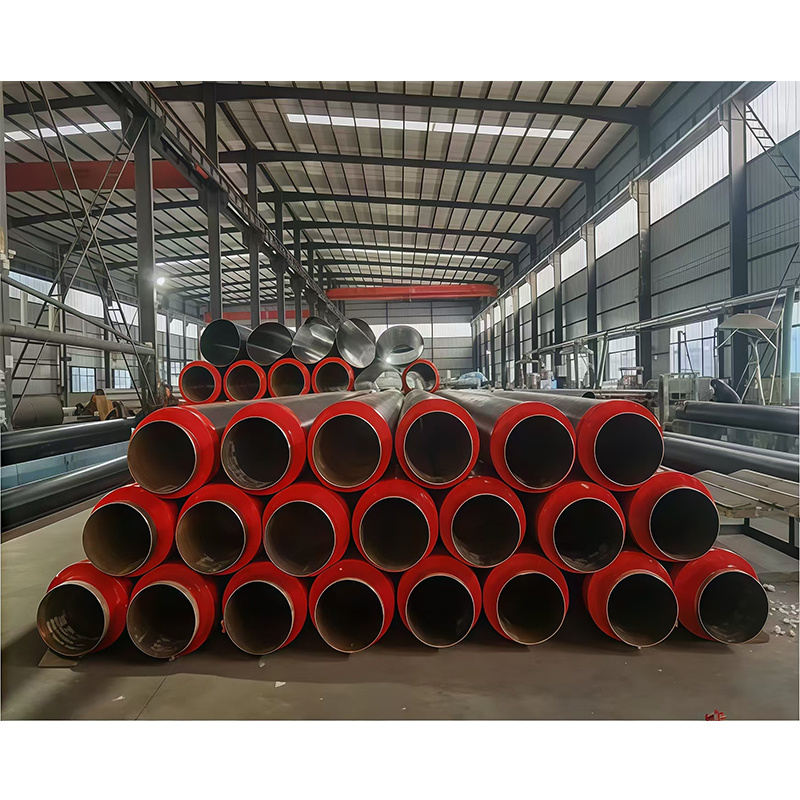
When to Upgrade Your Insulated Steel Pipes for Cryogenic Applications
The Importance of Insulated Steel Pipes in Cryogenic Applications
Insulated steel pipes are crucial in various industries, particularly where extremely low temperatures are involved, such as in the transportation of liquefied gases like nitrogen, oxygen, and LNG (liquefied natural gas). These applications require pipes that can effectively maintain the temperature of the contents while minimizing heat transfer, condensation, and potential environmental hazards. Understanding when to upgrade these vital components can save costs, enhance efficiency, and ensure safety.
Understanding Cryogenic Insulation
Cryogenic insulation is a specialized form of thermal insulation designed to withstand extreme cold. This insulation minimizes heat transfer, which is critical in preventing the vaporization of cryogenic liquids. The most common materials used in cryogenic insulation include polyurethane foam, aerogel, and vacuum insulation. Each material has unique properties that must be considered when assessing the condition of insulated steel pipes.
Key Factors Influencing the Condition of Insulated Steel Pipes
Several factors can affect the performance and integrity of insulated steel pipes. These include:
1. Age of the Installation
As with any infrastructure, the age of your insulated steel pipes plays a significant role in their performance. Most insulation systems have a lifespan of 10-20 years, depending on the materials used and environmental conditions. Regular assessments are essential to identify potential degradation over time.
2. Environmental Factors
Factors such as temperature fluctuations, humidity levels, and exposure to chemicals can severely impact the insulation's effectiveness. For example, high humidity can lead to condensation, which may compromise insulation integrity.
3. Mechanical Damage
Physical damage from operational activities, installation mishaps, or external factors can lead to breaches in insulation, exposing the steel pipe to stresses that can lead to corrosion or failure.
4. Performance Monitoring Data
Regular monitoring and data collection on the thermal performance of insulated steel pipes can provide insights into their current condition. Any significant changes in temperature or pressure readings could signal a need for an upgrade.
Signs That Your Insulated Steel Pipes Need Upgrading
Recognizing the signs of deterioration early can prevent larger, more costly problems down the line. Here are several indicators that may suggest it’s time for an upgrade:
1. Increased Heat Loss
If you notice a significant increase in heat loss, it could indicate that the insulation has degraded. This can lead to higher energy costs and reduced efficiency in cryogenic applications.
2. Visible Damage to Insulation
Look for cracks, tears, or other visible damage to the insulation material. Physical defects can compromise thermal performance and should be addressed promptly.
3. Corrosion on Steel Pipes
Corrosion is a major concern for steel pipes, especially when exposed to cryogenic temperatures. If you see signs of rust or corrosion, it may be time to replace the insulated pipes.
4. Changes in Operating Pressure
A deviation from normal operating pressures can indicate insulation failure. Regular monitoring can help detect these changes early.
5. Inefficiencies in Cryogenic Processes
If the system is not performing as expected, it may be due to inadequate insulation. Upgrading pipes can enhance overall system efficiency.
Best Practices for Insulated Steel Pipe Maintenance
Preventing degradation and ensuring optimal performance of insulated steel pipes requires regular maintenance and inspection. Below are some best practices to consider:
1. Regular Inspections
Conduct routine inspections to identify potential issues early. Look for signs of wear, damage, or corrosion, and document findings for analysis.
2. Monitoring Thermal Performance
Install temperature sensors to monitor the thermal performance of insulated steel pipes continuously. Anomalies can indicate insulation failure and prompt further investigation.
3. Implementing Protective Measures
Use protective coatings or wraps to enhance the durability of the insulation against environmental factors. This can mitigate risks associated with mechanical damage and moisture penetration.
4. Training Personnel
Ensure that personnel are trained to recognize the signs of insulation failure and understand the importance of proper handling during maintenance activities.
Upgrade Options for Insulated Steel Pipes
When it’s time to upgrade your insulated steel pipes, consider various options that can enhance performance and longevity:
1. Selecting Advanced Insulation Materials
Explore newer insulation technologies such as vacuum insulation panels or advanced aerogels that offer superior thermal performance and reduced thickness.
2. Custom Fabrication
Custom-fabricated insulated pipes can provide a better fit for your specific application, ensuring optimal thermal efficiency and reduced risk of damage.
3. Integration of Smart Technology
Incorporate smart monitoring systems that provide real-time data on the thermal performance and integrity of insulated steel pipes, allowing for proactive maintenance.
Cost Considerations for Upgrading Insulated Steel Pipes
Evaluating the cost implications of upgrading insulated steel pipes is essential. Consider the following factors:
1. Material Costs
Advanced insulation materials may come at a higher initial cost but can lead to significant savings in energy efficiency and operational costs over time.
2. Labor Costs
Factor in the costs associated with labor during installation, which can vary based on the complexity of the upgrade.
3. Downtime Expenses
Upgrading insulated steel pipes may result in downtime for your operations. Calculate potential losses associated with this downtime when planning upgrades.
Regulatory Compliance and Safety Standards
Maintaining compliance with industry regulations and safety standards is crucial in cryogenic applications. Regular upgrades can ensure that your insulated steel pipes meet the latest safety requirements.
1. Understanding Relevant Regulations
Familiarize yourself with local and international regulations governing cryogenic materials and processes. Ensure that your insulated steel pipes comply with all applicable standards.
2. Safety Protocols
Implement safety protocols for handling and maintaining insulated steel pipes, and ensure that all personnel are well-trained in these procedures.
FAQs About Upgrading Insulated Steel Pipes for Cryogenic Applications
1. How often should I inspect my insulated steel pipes?
We recommend inspecting insulated steel pipes at least once a year, with more frequent checks based on environmental conditions and operational demands.
2. What are the signs of cryogenic insulation failure?
Signs include increased heat loss, visible damage to insulation, and corrosion on steel pipes. Monitoring temperature and pressure changes is also crucial.
3. Can I upgrade my insulated steel pipes without shutting down my operations?
In some cases, it may be possible to upgrade sections of insulated steel pipes without a complete shutdown, but this depends on the specific layout and operational requirements.
4. What are the benefits of using advanced insulation materials?
Advanced insulation materials often provide superior thermal performance, better durability, and reduced thickness, leading to an overall more efficient cryogenic system.
5. How can I ensure compliance with safety standards when upgrading?
Stay informed about relevant regulations and engage with professionals who specialize in cryogenic applications to ensure your upgrades meet safety standards.
Conclusion
Upgrading insulated steel pipes for cryogenic applications is a critical investment in safety, efficiency, and compliance. By being proactive in monitoring the condition of your pipes and recognizing the signs that an upgrade is necessary, you can enhance the performance of your cryogenic systems. Consider the various factors and options discussed in this guide to make informed decisions that will benefit your operations in the long run. The right upgrades not only ensure compliance but also improve overall system performance and reduce costs associated with inefficiencies. Regular maintenance, advanced materials, and strategic planning will help you achieve optimal results in your cryogenic applications.
TAG:
Related Posts

Understanding Plastic-Coated Steel Pipes for Efficient Sewage Systems







Address
Wuliyao Industrial Zone, Yanshan County, Cangzhou City, Hebei Province, China