
Why Choose Plastic-Coated Steel Pipes for Your Sewage Systems? A Comprehensive Guide
Dec 17,2025

Why Choose Plastic-Coated Steel Pipes for Your Sewage Systems?
In the construction and plumbing industries, the choice of materials plays a pivotal role in the efficiency, longevity, and reliability of sewage systems. Among various options, **plastic-coated steel pipes** emerge as a front-runner. This article delves into the reasons that make these pipes a preferred choice for sewage systems, addressing key aspects such as durability, corrosion resistance, installation ease, and maintenance requirements.
Table of Contents
- Introduction to Plastic-Coated Steel Pipes
- Advantages of Plastic-Coated Steel Pipes
- Installation Process for Plastic-Coated Steel Pipes
- Maintenance Requirements
- Applications in Sewage Systems
- Comparison with Other Pipe Materials
- Environmental Impact of Plastic-Coated Steel Pipes
- Conclusion
- FAQs
Introduction to Plastic-Coated Steel Pipes
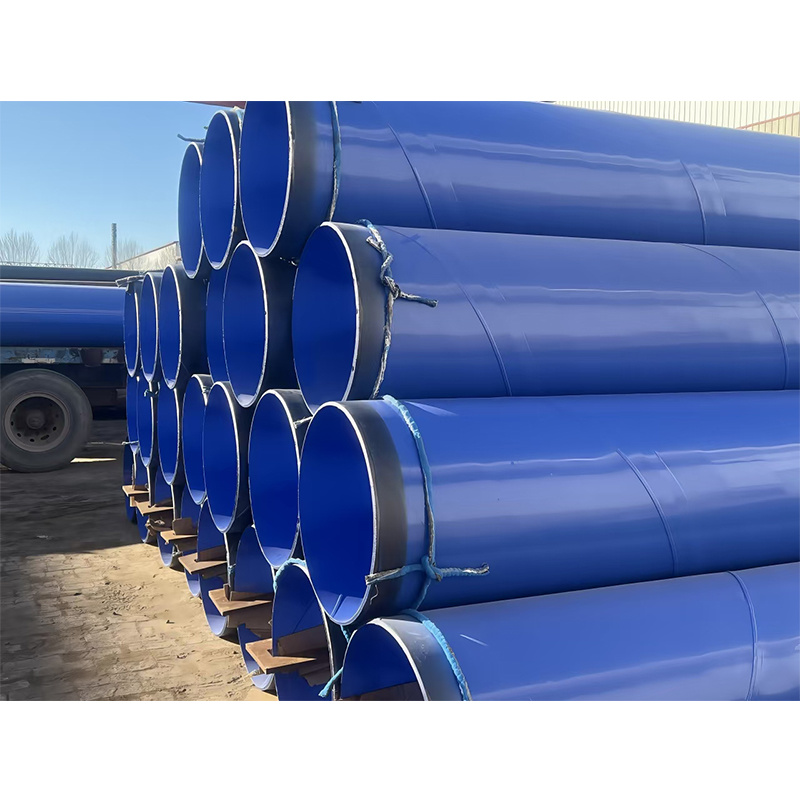
Plastic-coated steel pipes blend the strength of steel with the protective qualities of plastic coatings. These pipes are crafted from high-quality steel and coated with a layer of plastic, typically polyethylene or polyvinyl chloride (PVC). This combination results in a product that offers both mechanical strength and resistance to various environmental conditions, making them ideal for sewage systems.
Advantages of Plastic-Coated Steel Pipes
When it comes to sewage systems, the choice of piping material can significantly impact performance and maintenance. Below are the primary advantages of using plastic-coated steel pipes.
Exceptional Durability
Plastic-coated steel pipes are known for their remarkable durability. The steel core provides robust structural integrity, while the plastic coating protects against external impacts and harsh environmental conditions. This durability ensures that the pipes can withstand heavy loads, making them suitable for both residential and commercial sewage applications.
Corrosion Resistance
One of the most significant benefits of plastic-coated steel pipes is their resistance to corrosion. Traditional steel pipes are prone to rust and deterioration when exposed to moisture and various chemicals found in sewage. However, the plastic coating acts as a barrier, preventing corrosive substances from coming into direct contact with the steel. This feature extends the lifespan of the pipes and reduces the need for frequent replacements.
Cost-Effectiveness
Investing in plastic-coated steel pipes is a cost-effective choice for sewer systems. While the upfront cost may be slightly higher than traditional materials, the long-term savings on maintenance and replacement make them a more economical option. Their durability and corrosion resistance significantly decrease the likelihood of leaks and failures, thus reducing repair costs over time.
Installation Process for Plastic-Coated Steel Pipes
The installation of plastic-coated steel pipes is straightforward, making them a desirable choice for contractors and builders. The process involves several steps:
1. **Preparation of the Site**: Ensure that the installation area is clear of debris and suitable for excavation.
2. **Cutting the Pipes**: Use appropriate cutting tools to size the pipes according to the project specifications.
3. **Joining the Pipes**: The pipes can be joined using welding, mechanical fittings, or adhesive methods, depending on the project requirements.
4. **Testing for Leaks**: After installation, it’s crucial to test the system for any potential leaks, ensuring the integrity of the setup.
5. **Backfilling**: Once tested, backfill the excavation site, compacting the soil to support the pipes.
This installation process is efficient and can be completed in a shorter timeframe compared to other piping options.
Maintenance Requirements
Maintaining plastic-coated steel pipes is relatively easy. Regular inspections should be conducted to check for any signs of wear or damage. Unlike traditional metal pipes, the plastic coating significantly reduces the need for extensive maintenance. In case of any leaks or damage, repairs can often be performed without complete replacement, further enhancing their cost-effectiveness.
Applications in Sewage Systems
Plastic-coated steel pipes are versatile and can be utilized in various sewage system applications, including:
- **Residential Sewage Systems**: Ideal for homes, providing reliable waste transportation.
- **Commercial Sewage Systems**: Suitable for businesses that require robust plumbing solutions.
- **Industrial Waste Management**: Effectively handles the disposal of industrial wastewater and chemicals.
- **Stormwater Management**: Used in systems designed to manage rainwater runoff and prevent flooding.
Comparison with Other Pipe Materials
When choosing piping materials for sewage systems, it’s essential to compare plastic-coated steel pipes with alternatives such as PVC, cast iron, and traditional steel.
- **PVC Pipes**: While lightweight and easy to install, PVC lacks the strength of steel and may not withstand high pressure or heavy loads.
- **Cast Iron Pipes**: Known for their durability, cast iron can corrode over time and is heavier, making installation more challenging.
- **Traditional Steel Pipes**: Prone to rust and corrosion, requiring more frequent maintenance and replacement compared to plastic-coated options.
Overall, plastic-coated steel pipes strike a balance between strength, durability, and low maintenance, making them an excellent choice for sewage systems.
Environmental Impact of Plastic-Coated Steel Pipes
Environmental considerations are increasingly important in construction. Plastic-coated steel pipes are a sustainable choice due to their longevity and recyclability. The reduction in waste from fewer replacements and repairs contributes positively to environmental efforts. Additionally, these pipes can be manufactured with minimal environmental impact, aligning with green building practices.
Conclusion
Choosing the right piping material for sewage systems is essential to ensure efficient and long-lasting performance. **Plastic-coated steel pipes** offer an array of advantages, including exceptional durability, corrosion resistance, and cost-effectiveness. Their ease of installation and low maintenance requirements further enhance their appeal. By considering the unique benefits of these pipes, engineers and builders can make informed decisions that lead to successful sewage system projects.
FAQs
1. What are plastic-coated steel pipes made of?
Plastic-coated steel pipes consist of a steel core coated with a layer of plastic, typically polyethylene or PVC, providing strength and corrosion resistance.
2. How long do plastic-coated steel pipes last?
With proper installation and maintenance, plastic-coated steel pipes can last for several decades, significantly longer than traditional steel pipes.
3. Are plastic-coated steel pipes environmentally friendly?
Yes, these pipes are recyclable and have a lower environmental impact due to their durability and reduced need for replacements.
4. Can plastic-coated steel pipes be used in cold climates?
Absolutely! The plastic coating helps protect against temperature fluctuations and prevents freezing, making them suitable for cold climates.
5. How do I repair a damaged plastic-coated steel pipe?
Repairs can often be made using similar methods as with traditional steel pipes, including welding or utilizing mechanical fittings, depending on the damage.
By choosing plastic-coated steel pipes for sewage systems, you can ensure a reliable and efficient plumbing solution that stands the test of time.
TAG:
Related Posts
Understanding Plastic-Coated Steel Pipes for Efficient Sewage Systems







Address
Wuliyao Industrial Zone, Yanshan County, Cangzhou City, Hebei Province, China