
Understanding 3PE Steel Pipes: Essential Components for Pipeline Projects
Dec 20,2025
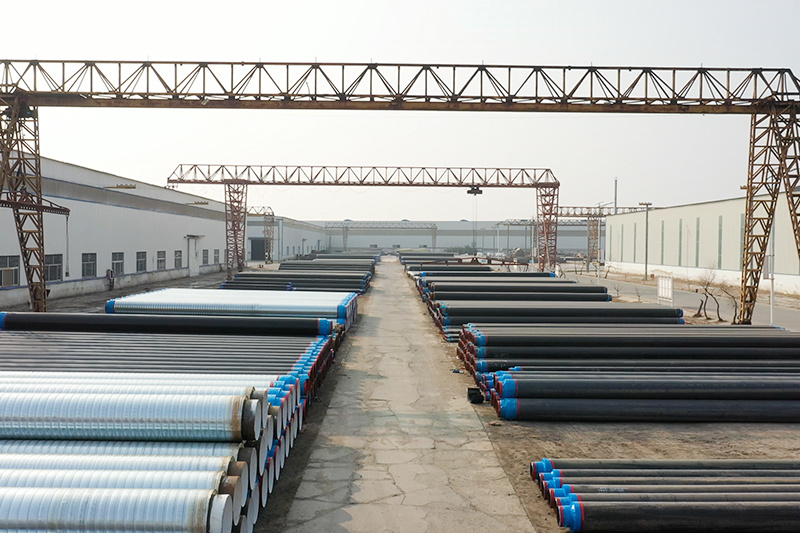
3PE steel pipes, characterized by their three-layer polyethylene (3PE) coating, have emerged as a fundamental component in the execution of pipeline projects. These pipes are primarily used for transporting various fluids and gases, making them vital for industries such as oil and gas, water supply, and sewage systems. The 3PE coating consists of an epoxy primer, a polyethylene layer, and an outer layer of polyethylene, designed to enhance the pipe's resistance to corrosion and mechanical damage.
One of the critical benefits of 3PE steel pipes is their exceptional durability. The protective layers help to prevent corrosion caused by environmental factors, such as moisture and chemicals, which can significantly reduce the lifespan of standard steel pipes. As pipelines are often buried underground or exposed to harsh environments, the corrosion resistance of 3PE-coated pipes ensures that they remain operational for extended periods. This durability translates into lower maintenance costs and reduced need for replacements, making them a cost-effective solution in the long run.
Another significant advantage of 3PE steel pipes is their compatibility with a variety of fluids and gases. The three-layer system is designed to withstand high pressures and temperatures, which is essential for gas transportation and other industrial applications. This versatility allows engineers to use 3PE pipes in a wide range of projects, from urban water supply systems to large-scale oil pipelines.
In addition to corrosion resistance and compatibility, 3PE steel pipes offer excellent mechanical properties. They are capable of withstanding significant external pressures and impacts without compromising integrity. This robustness is crucial during the installation process and throughout the operational life of the pipeline. The ability to handle various stresses ensures that pipelines remain functional even in challenging conditions, such as seismic activity or ground movement.
The environmental impact of using 3PE steel pipes is another aspect worth mentioning. As these pipes are designed to have a long lifespan, they contribute to sustainability efforts by reducing the need for frequent replacements. Moreover, the materials used in the manufacturing of 3PE pipes are often recyclable, further supporting eco-friendly practices in the construction industry.
In summary, 3PE steel pipes play a vital role in modern pipeline projects due to their outstanding durability, resistance to corrosion, and mechanical strength. Their versatility and eco-friendly attributes make them an ideal choice for various applications in the construction and infrastructure sectors. Understanding the benefits of 3PE steel pipes is crucial for professionals involved in pipeline projects, as these attributes contribute to the overall success and longevity of infrastructure development.
TAG:
Related Posts

Understanding Plastic-Coated Steel Pipes for Efficient Sewage Systems







Address
Wuliyao Industrial Zone, Yanshan County, Cangzhou City, Hebei Province, China