
How to Maintain 3PE Steel Pipes for Optimal Water Transmission Efficiency
Jan 01,2026
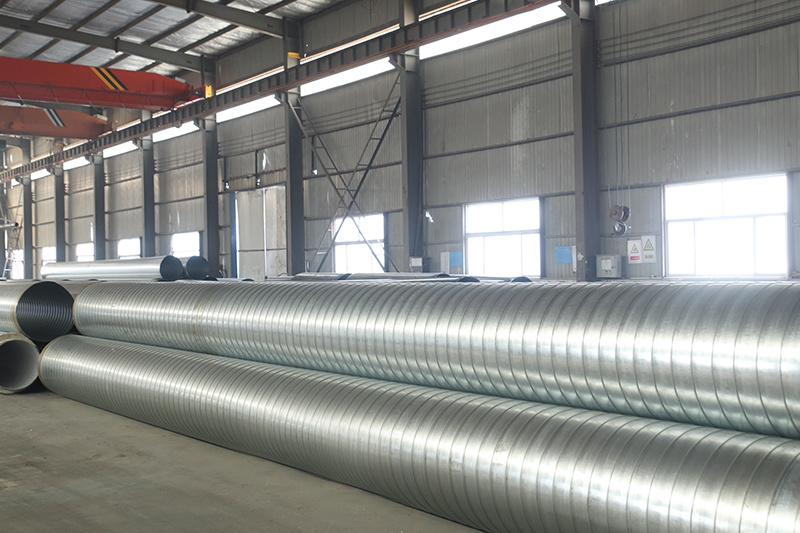
How to Maintain 3PE Steel Pipes for Optimal Water Transmission Efficiency
Table of Contents
- Understanding 3PE Steel Pipes
- The Importance of Maintaining 3PE Steel Pipes
- Routine Inspections and Assessments
- Cleaning Techniques for 3PE Steel Pipes
- Preventing Corrosion in Steel Pipes
- Repairing Damage to 3PE Steel Pipes
- Enhancing Water Transmission Efficiency
- Frequently Asked Questions (FAQs)
- Conclusion
Understanding 3PE Steel Pipes
3PE steel pipes are coated with a three-layer system consisting of polyethylene (PE) that provides superior protection against corrosion. This makes them ideal for water transmission systems, as they combine strength, durability, and resistance to various environmental factors. Understanding the components and functions of 3PE steel pipes is crucial for effective maintenance and ensuring they operate at optimal levels.
What Makes 3PE Steel Pipes Unique?
The three layers of 3PE coating include:
- Layer 1: An epoxy primer that adheres well to the steel surface, providing a strong foundation against corrosion.
- Layer 2: A polyethylene layer that acts as a barrier, protecting the pipe from external elements.
- Layer 3: An outer layer of polyethylene that offers additional mechanical protection and UV resistance.
The Importance of Maintaining 3PE Steel Pipes
Regular maintenance of 3PE steel pipes is essential to ensure they function efficiently over their lifespan. Neglecting maintenance can lead to various issues, including leaks, blockages, and structural failures. By investing time in upkeep, you can:
- Prevent costly repairs: Early detection of issues can save significant amounts in repair costs.
- Enhance longevity: Proper maintenance can extend the life of the pipes, ensuring a better return on investment.
- Optimize water flow: Well-maintained pipes ensure that water transmission remains efficient.
- Ensure safety: Maintaining pipes reduces the risk of hazardous leaks and failures.
Routine Inspections and Assessments
Regular inspections are the cornerstone of effective maintenance. It’s recommended to conduct thorough assessments at least twice a year or more frequently based on environmental conditions.
What to Look For During Inspections
During inspections, focus on the following aspects:
- Visual Damage: Check for any visible signs of wear, cracks, or dents.
- Corrosion: Look for rust or corrosion on the surface of the pipes, especially around joints and fittings.
- Leakage: Inspect for any signs of leaks, including damp spots or water pooling near the pipes.
- Alignment and Support: Ensure pipes are properly supported and aligned to prevent stress and damage.
Cleaning Techniques for 3PE Steel Pipes
Cleaning your 3PE steel pipes is crucial for maintaining water quality and flow efficiency. Here are some effective cleaning techniques:
Hydro Jetting
Hydro jetting involves using high-pressure water to dislodge debris and buildup from the inside of the pipes. This technique is effective for removing stubborn clogs without damaging the pipe material.
Mechanical Cleaning
For more severe blockages, mechanical cleaning tools such as brushes or augers can be employed. These tools can physically remove buildup but should be used carefully to avoid damaging the 3PE coating.
Chemical Cleaning
In some cases, chemical agents can be used to dissolve buildup. However, caution is needed to ensure that the chemicals are compatible with the 3PE coating to prevent damage.
Preventing Corrosion in Steel Pipes
Corrosion is one of the primary threats to the integrity of 3PE steel pipes. Here are some effective strategies to prevent corrosion:
Choosing the Right Environment
Installing pipes in areas with minimal exposure to harmful environmental factors, such as moisture and aggressive chemicals, can significantly reduce the risk of corrosion.
Regular Inspection and Maintenance
As discussed, routine inspections can help identify corrosion early, allowing for prompt action to be taken.
Using Corrosion Inhibitors
In some cases, applying corrosion inhibitors can provide an additional layer of protection, especially in aggressive environments.
Repairing Damage to 3PE Steel Pipes
Even with proper maintenance, damage can occur. Recognizing how to repair it effectively is essential for maintaining efficiency.
Identifying Types of Damage
Common types of damage include:
- Scratches and Abrasions: These can often be repaired with simple touch-up coatings.
- Dents: Minor dents may not require repair unless they affect performance; deeper dents may require more extensive work.
- Leaks: Leaks may necessitate patching or replacing sections of the pipe.
Repair Techniques
Repair methods may include:
- Epoxy Patching: For small leaks or cracks, epoxy can effectively seal damaged areas.
- Replacing Sections: In cases of severe damage, replacing the affected section may be necessary.
Enhancing Water Transmission Efficiency
To ensure optimal water flow, consider the following best practices:
Maintaining Proper Pressure
Regularly check and maintain the pressure within the pipes to prevent issues related to low or high pressure, which can affect both efficiency and safety.
Monitoring Flow Rates
Using flow meters can help monitor water transmission rates, allowing for quick identification of issues that may arise.
Using Advanced Technology
Investing in advanced monitoring systems can help in detecting leaks and other issues in real-time, facilitating immediate action to maintain efficiency.
Frequently Asked Questions (FAQs)
1. How often should I inspect my 3PE steel pipes?
It is recommended to inspect 3PE steel pipes at least twice a year, but more frequent inspections may be necessary based on environmental conditions.
2. What should I do if I find a leak?
If you discover a leak, it's crucial to assess the severity. Minor leaks can often be patched, while significant issues may require professional intervention.
3. Can I use chemical cleaners on 3PE steel pipes?
Caution is required when using chemical cleaners. Ensure they are compatible with polyethylene to avoid damaging the coating.
4. What are the signs that my pipes need maintenance?
Look for visible damage, unusual noises, changes in water pressure, or any signs of leaks as indicators that maintenance is needed.
5. How can I enhance water transmission efficiency?
Regular maintenance, monitoring pressure and flow rates, and utilizing advanced technology can all enhance water transmission efficiency.
Conclusion
Maintaining 3PE steel pipes is vital for ensuring optimal water transmission efficiency. By investing in regular inspections, employing effective cleaning techniques, and taking proactive measures against corrosion, you can significantly enhance the lifespan and performance of your pipes. Remember, the key to successful maintenance lies in vigilance, timely repairs, and adopting best practices to safeguard your investment. With the right approach, you can enjoy efficient water transmission and a reliable infrastructure for years to come.
TAG:
Related Posts

Understanding Plastic-Coated Steel Pipes for Efficient Sewage Systems







Address
Wuliyao Industrial Zone, Yanshan County, Cangzhou City, Hebei Province, China