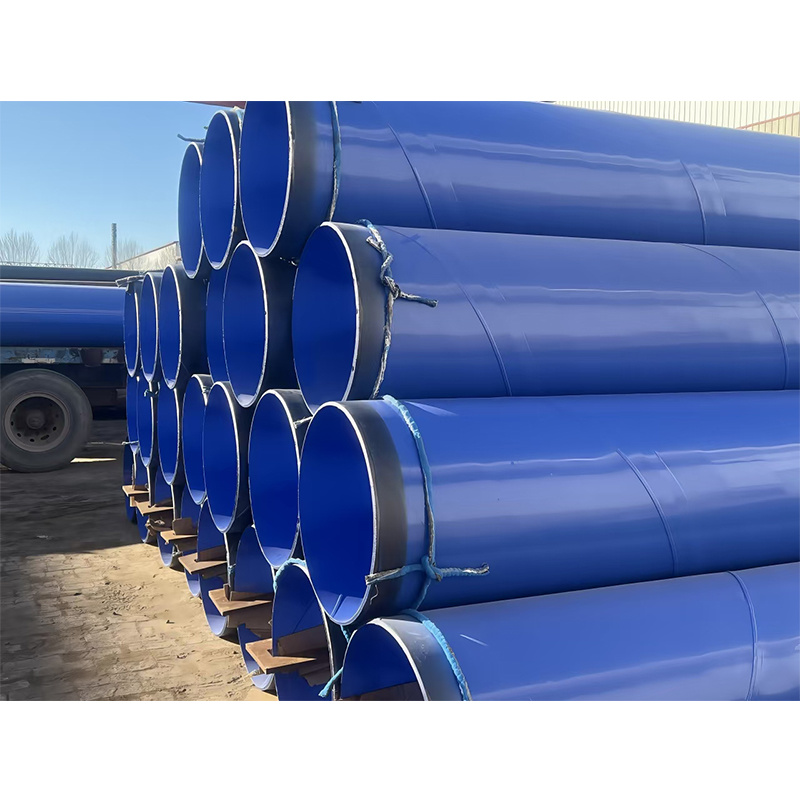
Understanding 3PE Steel Pipe for Oilfield Pipelines: A Comprehensive Overview
Dec 29,2025
When it comes to transporting oil and gas, the materials used in the pipeline construction play a crucial role in overall system performance. One such material that has gained prominence in recent years is the 3PE (Three-Layer Polyethylene) steel pipe. This type of pipe is particularly advantageous for oilfield pipelines due to its enhanced protective features and structural integrity.
The structu
When it comes to transporting oil and gas, the materials used in the pipeline construction play a crucial role in overall system performance. One such material that has gained prominence in recent years is the 3PE (Three-Layer Polyethylene) steel pipe. This type of pipe is particularly advantageous for oilfield pipelines due to its enhanced protective features and structural integrity.
The structure of a 3PE steel pipe consists of three layers: the inner steel pipe, a layer of adhesive, and an outer coating of polyethylene. The inner layer is made from high-quality steel, allowing it to withstand high pressures and heavy loads commonly encountered in oil transportation. The adhesive layer ensures a strong bond between the steel and polyethylene, while the outer layer serves as a protective shield against external environmental factors.
One of the key benefits of 3PE steel pipes is their impressive resistance to corrosion. Corrosion is a significant concern in oil and gas pipelines, as it can lead to leaks and structural failure. The polyethylene coating effectively protects the steel from moisture, chemicals, and other corrosive agents, extending the lifespan of the pipeline. This corrosion resistance translates into lower maintenance costs and improved safety for oilfield operations.
Another important aspect of 3PE steel pipes is their thermal insulation properties. Oil and gas often exist at varying temperatures, and the insulation provided by the polyethylene layer helps to maintain a consistent temperature within the pipeline. This is crucial for preventing issues such as wax formation or hydrate blockages, which can disrupt the transportation process.
In addition to their functional advantages, 3PE steel pipes are also environmentally friendly. The materials used in their production are often sourced sustainably, and the durability of the pipes contributes to reducing the environmental impact associated with frequent replacements and repairs.
In summary, 3PE steel pipes represent a significant advancement in the construction of oilfield pipelines. Their robust structure, corrosion resistance, and insulation properties make them an ideal choice for the demanding conditions of oil transportation. By choosing 3PE steel pipes, stakeholders in the construction and building materials industry can ensure a reliable and efficient system that meets the rigorous demands of the oil and gas sector.
The structure of a 3PE steel pipe consists of three layers: the inner steel pipe, a layer of adhesive, and an outer coating of polyethylene. The inner layer is made from high-quality steel, allowing it to withstand high pressures and heavy loads commonly encountered in oil transportation. The adhesive layer ensures a strong bond between the steel and polyethylene, while the outer layer serves as a protective shield against external environmental factors.
One of the key benefits of 3PE steel pipes is their impressive resistance to corrosion. Corrosion is a significant concern in oil and gas pipelines, as it can lead to leaks and structural failure. The polyethylene coating effectively protects the steel from moisture, chemicals, and other corrosive agents, extending the lifespan of the pipeline. This corrosion resistance translates into lower maintenance costs and improved safety for oilfield operations.
Another important aspect of 3PE steel pipes is their thermal insulation properties. Oil and gas often exist at varying temperatures, and the insulation provided by the polyethylene layer helps to maintain a consistent temperature within the pipeline. This is crucial for preventing issues such as wax formation or hydrate blockages, which can disrupt the transportation process.
In addition to their functional advantages, 3PE steel pipes are also environmentally friendly. The materials used in their production are often sourced sustainably, and the durability of the pipes contributes to reducing the environmental impact associated with frequent replacements and repairs.
In summary, 3PE steel pipes represent a significant advancement in the construction of oilfield pipelines. Their robust structure, corrosion resistance, and insulation properties make them an ideal choice for the demanding conditions of oil transportation. By choosing 3PE steel pipes, stakeholders in the construction and building materials industry can ensure a reliable and efficient system that meets the rigorous demands of the oil and gas sector.
TAG:
Related Posts
Understanding Plastic-Coated Steel Pipes for Efficient Sewage Systems
Plastic-coated steel pipes have gained significant attention in the construction industry, particularly in the context of sewage systems. These pipes combine the inherent strength of steel with the protective qualities of plastic, making them an excellent choice for various applications in building and decorating materials.
One of the primary advantages of using plastic-coated steel pipes in sewag