
Comparative Analysis: Plastic-Coated Steel Pipes vs. Other Materials in Marine Use
Jan 13,2026
Comparative Analysis: Plastic-Coated Steel Pipes vs. Other Materials in Marine Use
Table of Contents
- 1. Introduction to Marine Pipe Materials
- 2. Importance of Material Choice in Marine Applications
- 3. Understanding Plastic-Coated Steel Pipes
- 4. Advantages of Plastic-Coated Steel Pipes in Marine Environments
- 5. Overview of Other Materials Used in Marine Applications
- 6. Comparative Analysis: Plastic-Coated Steel vs. Other Materials
- 7. Real-World Case Studies and Applications
- 8. Environmental Considerations in Material Selection
- 9. Frequently Asked Questions
- 10. Conclusion
1. Introduction to Marine Pipe Materials
In the marine industry, the choice of pipe materials is crucial for ensuring the longevity and efficiency of various applications. Whether it’s for transporting fluids, structural support, or other uses, understanding the properties and performance of different materials is essential. This article provides a comprehensive comparative analysis of plastic-coated steel pipes and other material options commonly utilized in marine environments.
2. Importance of Material Choice in Marine Applications
Selecting the right material for marine applications involves considering factors such as corrosion resistance, weight, strength, and cost-efficiency. The marine environment is particularly harsh, with exposure to saltwater, extreme temperatures, and varying pressures. Choosing the right pipe material not only ensures durability but also minimizes maintenance costs and enhances the safety of marine operations.
3. Understanding Plastic-Coated Steel Pipes
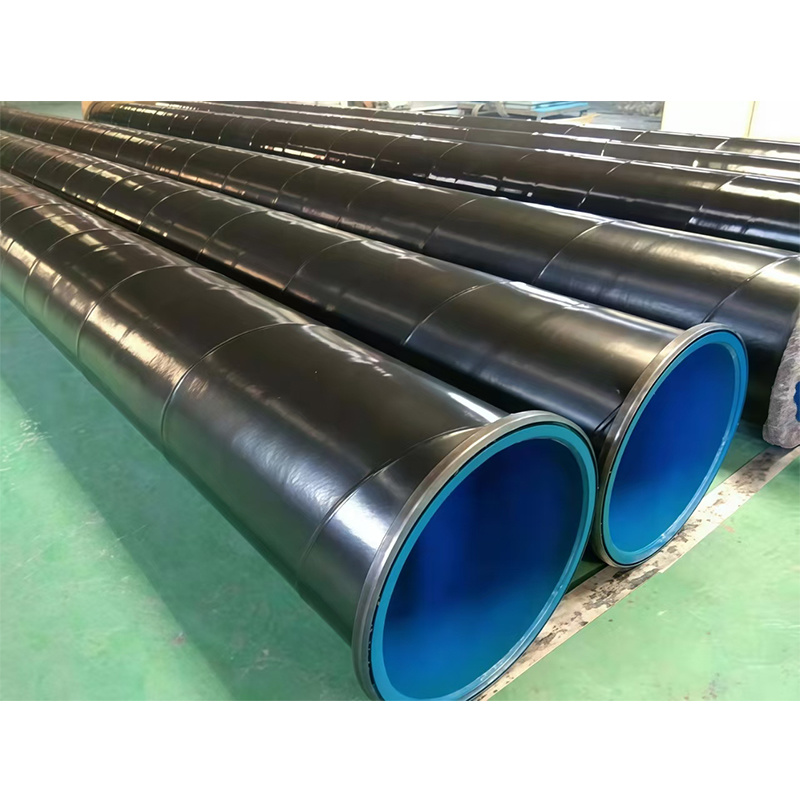
Plastic-coated steel pipes are made from traditional steel that is coated with a layer of plastic, typically polyethylene or polyvinyl chloride (PVC). This coating serves as a protective barrier against corrosion, making these pipes particularly suitable for marine use. The combination of steel and plastic provides enhanced strength, flexibility, and resistance to the harsh marine environment.
3.1 Composition and Manufacturing Process
The manufacturing of plastic-coated steel pipes involves several steps. Initially, steel pipes are produced through standard methods such as welding or casting. Following this, a layer of plastic is applied using processes like extrusion or dipping. The thickness of the coating and the type of plastic used can vary, depending on the intended application and environmental conditions.
3.2 Common Applications of Plastic-Coated Steel Pipes
Plastic-coated steel pipes are widely used in various marine applications, including:
- **Marine transportation systems** for fuel and oil transfer.
- **Structural applications** in shipbuilding and offshore platforms.
- **Water supply systems** for marine vessels and installations.
- **Drainage and sewage** systems in coastal and offshore facilities.
4. Advantages of Plastic-Coated Steel Pipes in Marine Environments
Plastic-coated steel pipes present several advantages when used in marine applications, which contribute to their increasing popularity among engineers and builders.
4.1 Corrosion Resistance
One of the primary benefits of plastic-coated steel pipes is their exceptional corrosion resistance. The plastic coating acts as a barrier, preventing moisture and corrosive elements from directly contacting the steel. This significantly extends the lifespan of the pipes.
4.2 Enhanced Durability and Strength
Steel, known for its mechanical strength, provides a robust foundation for the pipes. Coupled with the protective plastic coating, these pipes can withstand the physical stresses encountered in marine environments, from heavy waves to impacts.
4.3 Cost-Effectiveness
While the initial cost of plastic-coated steel pipes may be higher than some alternatives, their longevity and reduced maintenance requirements make them a cost-effective choice in the long run. Less frequent replacements lead to lower overall expenditure.
4.4 Weight and Flexibility
Plastic-coated steel pipes offer a favorable weight-to-strength ratio, making them easier to handle and install compared to heavier alternatives like solid steel. Their flexibility allows for installation in various configurations, adapting to the unique challenges of marine environments.
4.5 Environmental Compliance
With growing environmental regulations, the use of plastic-coated steel pipes aligns with sustainable practices. Their durability reduces waste generated from frequent pipe replacements and minimizes the impact on marine ecosystems.
5. Overview of Other Materials Used in Marine Applications
In addition to plastic-coated steel pipes, several alternative materials are commonly used for marine applications, each with its own set of advantages and disadvantages.
5.1 Stainless Steel
Stainless steel is renowned for its corrosion resistance and strength. While it performs excellently in many marine conditions, it is often more expensive than plastic-coated options and can be susceptible to pitting corrosion in certain environments.
5.2 Copper
Copper pipes are used in some marine applications due to their antimicrobial properties. However, they can be heavier, more expensive, and less durable than plastic-coated steel pipes, especially when exposed to seawater.
5.3 PVC and Other Plastics
PVC and other plastic pipes are lightweight and resistant to corrosion but lack the mechanical strength of steel. They are suitable for low-pressure applications but may not withstand the physical stresses found in heavy-duty marine environments.
5.4 Fiberglass Reinforced Plastic (FRP)
FRP pipes are lightweight and resistant to corrosion, making them a good alternative for specific applications. However, the high initial costs and the potential for brittleness in certain conditions can be limiting factors.
6. Comparative Analysis: Plastic-Coated Steel vs. Other Materials
When comparing plastic-coated steel pipes with other materials, several criteria come into play, including durability, cost, installation ease, and environmental impact.
6.1 Durability and Lifespan
Plastic-coated steel pipes generally outperform many alternative materials in terms of durability and lifespan. Their enhanced corrosion resistance means they can last significantly longer than untreated steel or even stainless steel in certain marine environments.
6.2 Cost Comparison
While the upfront cost of plastic-coated steel pipes may be higher than that of PVC or copper, the long-term savings due to lower maintenance and replacement costs make them more economical over time.
6.3 Installation and Handling
Installation processes for plastic-coated steel pipes are often more straightforward due to their lighter weight compared to solid steel. The flexibility of these pipes allows for easier adjustments during installation, which can speed up project timelines.
6.4 Environmental Considerations
Plastic-coated steel pipes present a more sustainable option due to their durability, which minimizes waste. Additionally, the ability to recycle steel contributes positively to environmental sustainability efforts.
7. Real-World Case Studies and Applications
Several successful projects highlight the benefits of using plastic-coated steel pipes in marine applications.
7.1 Coastal Marina Development
In a recent marina development, plastic-coated steel pipes were employed for water supply and drainage systems. Their performance exceeded expectations, with no signs of corrosion after several years of exposure to saltwater.
7.2 Offshore Oil Platform
An offshore oil platform utilized plastic-coated steel pipes for transporting oil and gas. The pipes demonstrated remarkable durability and flexibility, adapting to the platform's dynamic movements without failure.
7.3 Shipbuilding Projects
In shipbuilding, plastic-coated steel pipes have become the preferred choice for fuel and water lines due to their strength and resistance to harsh marine conditions. This has resulted in reduced maintenance needs and increased vessel safety.
8. Environmental Considerations in Material Selection
With increasing awareness of environmental responsibilities, material selection in marine applications must consider ecological impacts. Plastic-coated steel pipes are advantageous as they combine durability with a lower environmental footprint. Their use helps reduce the frequency of replacements and the subsequent waste generated.
9. Frequently Asked Questions
9.1 What are plastic-coated steel pipes?
Plastic-coated steel pipes are steel pipes that have a protective layer of plastic, enhancing their corrosion resistance and durability, especially in marine environments.
9.2 What are the benefits of using plastic-coated steel pipes in marine applications?
The benefits include excellent corrosion resistance, durability, cost-effectiveness, lightweight handling, and environmental compliance.
9.3 How do plastic-coated steel pipes compare to stainless steel?
While stainless steel offers high corrosion resistance, plastic-coated steel pipes generally provide better cost-efficiency and are lightweight, making installation easier.
9.4 Are plastic-coated steel pipes recyclable?
Yes, plastic-coated steel pipes are recyclable, with the steel being reusable, which contributes to sustainability efforts in construction and marine applications.
9.5 What factors should be considered when selecting pipe materials for marine use?
Key factors include corrosion resistance, mechanical strength, weight, environmental impact, and cost-effectiveness over the projected lifespan of the installation.
10. Conclusion
In conclusion, plastic-coated steel pipes offer a compelling choice for various marine applications due to their unique combination of strength, durability, and cost-effectiveness. As the marine industry continues to evolve and emphasize sustainability, these pipes stand out as a reliable solution. Their resistance to corrosion and excellent performance in harsh environments make them a preferred option for engineers and builders alike. By carefully considering the comparative advantages of plastic-coated steel pipes over alternative materials, stakeholders can ensure the success and longevity of their marine projects.
TAG:
Related Posts

Understanding Plastic-Coated Steel Pipes for Efficient Sewage Systems







Address
Wuliyao Industrial Zone, Yanshan County, Cangzhou City, Hebei Province, China