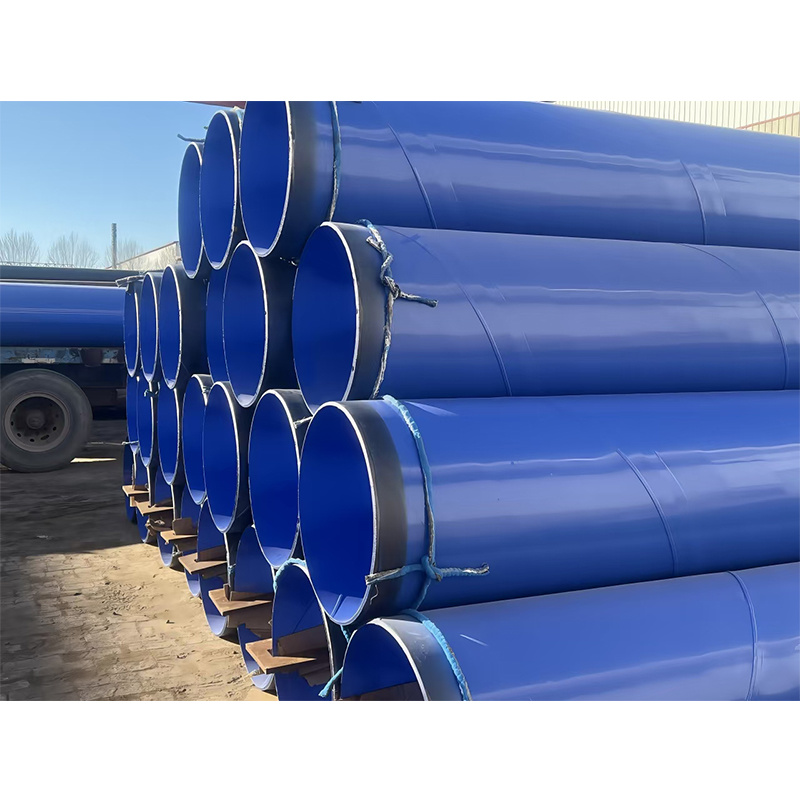
Understanding Plastic-Coated Steel Pipes in the Chemical Industry
Jan 16,2026
In the chemical industry, the choice of piping materials is critical to ensure safety, efficiency, and longevity. One of the most effective solutions for various applications is the use of plastic-coated steel pipes. These pipes combine the strength of steel with the protective qualities of plastic, making them ideal for transporting corrosive substances and chemicals.
Plastic-coated steel pipes a
In the chemical industry, the choice of piping materials is critical to ensure safety, efficiency, and longevity. One of the most effective solutions for various applications is the use of plastic-coated steel pipes. These pipes combine the strength of steel with the protective qualities of plastic, making them ideal for transporting corrosive substances and chemicals.
Plastic-coated steel pipes are typically constructed from high-quality steel, which provides robust structural integrity and resistance to external pressures. The additional layer of plastic coating serves as a barrier against corrosion and chemical reactions that can occur during the transportation of various substances. This coating is particularly beneficial in environments where exposure to harsh chemicals or extreme temperatures is common.
One of the primary advantages of plastic-coated steel pipes is their enhanced resistance to corrosion. In the chemical industry, pipes are often subjected to aggressive environments, which can lead to rapid deterioration if not properly protected. The plastic coating acts as an insulator, preventing direct contact between the corrosive materials and the steel, which significantly extends the lifespan of the pipes.
Moreover, these pipes offer excellent flexibility and ease of installation. The lightweight nature of plastic-coated steel makes them easier to handle compared to traditional heavy-duty steel pipes. Additionally, they can be custom-fabricated to meet specific requirements for different projects, which is a significant advantage in the construction industry.
Another important aspect of plastic-coated steel pipes is their ability to minimize maintenance costs. Due to their durability and resistance to chemical wear, these pipes require less frequent replacement compared to uncoated steel pipes. This not only reduces the overall lifetime costs associated with piping systems but also enhances operational efficiency by minimizing downtime during repairs or replacements.
In terms of applications, plastic-coated steel pipes are widely used for transporting various chemicals, including acids, alkalis, and other corrosive substances. They are also suitable for applications in wastewater treatment facilities, chemical processing plants, and other industrial environments where exposure to aggressive materials is prevalent.
In conclusion, plastic-coated steel pipes offer a durable, efficient, and cost-effective solution for the chemical industry. Their unique combination of the strength of steel and the protective qualities of plastic makes them an essential choice for various applications, especially in construction and decorative materials. By investing in these advanced piping solutions, industries can ensure safe and efficient operations while minimizing maintenance and replacement costs.
Plastic-coated steel pipes are typically constructed from high-quality steel, which provides robust structural integrity and resistance to external pressures. The additional layer of plastic coating serves as a barrier against corrosion and chemical reactions that can occur during the transportation of various substances. This coating is particularly beneficial in environments where exposure to harsh chemicals or extreme temperatures is common.
One of the primary advantages of plastic-coated steel pipes is their enhanced resistance to corrosion. In the chemical industry, pipes are often subjected to aggressive environments, which can lead to rapid deterioration if not properly protected. The plastic coating acts as an insulator, preventing direct contact between the corrosive materials and the steel, which significantly extends the lifespan of the pipes.
Moreover, these pipes offer excellent flexibility and ease of installation. The lightweight nature of plastic-coated steel makes them easier to handle compared to traditional heavy-duty steel pipes. Additionally, they can be custom-fabricated to meet specific requirements for different projects, which is a significant advantage in the construction industry.
Another important aspect of plastic-coated steel pipes is their ability to minimize maintenance costs. Due to their durability and resistance to chemical wear, these pipes require less frequent replacement compared to uncoated steel pipes. This not only reduces the overall lifetime costs associated with piping systems but also enhances operational efficiency by minimizing downtime during repairs or replacements.
In terms of applications, plastic-coated steel pipes are widely used for transporting various chemicals, including acids, alkalis, and other corrosive substances. They are also suitable for applications in wastewater treatment facilities, chemical processing plants, and other industrial environments where exposure to aggressive materials is prevalent.
In conclusion, plastic-coated steel pipes offer a durable, efficient, and cost-effective solution for the chemical industry. Their unique combination of the strength of steel and the protective qualities of plastic makes them an essential choice for various applications, especially in construction and decorative materials. By investing in these advanced piping solutions, industries can ensure safe and efficient operations while minimizing maintenance and replacement costs.
TAG:
Related Posts
Understanding Plastic-Coated Steel Pipes for Efficient Sewage Systems
Plastic-coated steel pipes have gained significant attention in the construction industry, particularly in the context of sewage systems. These pipes combine the inherent strength of steel with the protective qualities of plastic, making them an excellent choice for various applications in building and decorating materials.
One of the primary advantages of using plastic-coated steel pipes in sewag