
Why 3PE Steel Pipes Are the Optimal Solution for Pipeline Projects
Feb 01,2026
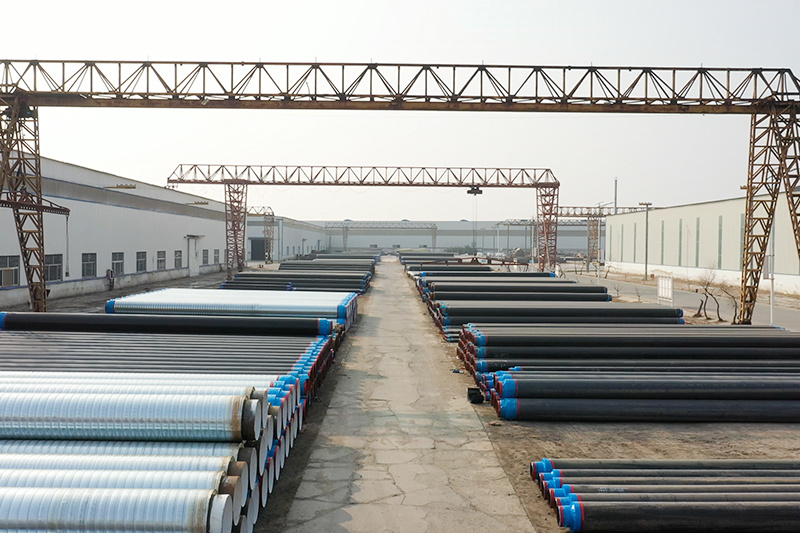
Why 3PE Steel Pipes Are the Optimal Solution for Pipeline Projects
Table of Contents
- 1. Introduction to 3PE Steel Pipes
- 2. What is 3PE Coating?
- 3. Benefits of 3PE Steel Pipes
- 4. Applications of 3PE Steel Pipes
- 5. Installation Methods for 3PE Steel Pipes
- 6. Maintenance and Care for 3PE Steel Pipes
- 7. Environmental Impact of 3PE Steel Pipes
- 8. Conclusion
1. Introduction to 3PE Steel Pipes
3PE steel pipes, or three-layer polyethylene coated pipes, have gained significant traction in the construction and pipeline industries due to their unique protective qualities. Manufactured through an advanced process, these pipes consist of a carbon steel base layer coated with two additional layers of polyethylene. This combination results in a highly durable product specifically designed to withstand harsh environmental conditions and aggressive substances commonly found in various applications.
The adoption of 3PE steel pipes in pipeline projects is a reflection of their superior performance and reliability. As industries seek solutions that offer cost savings, enhanced longevity, and sustainability, 3PE steel pipes stand out as a prime choice.
2. What is 3PE Coating?
3PE coating refers to the application of three distinct layers designed to provide outstanding protection for steel pipes. Each layer serves a specific purpose:
- **First Layer**: The base layer is made of fusion-bonded epoxy, offering strong adhesion to the steel surface and ensuring a robust bond between the pipe and the coating.
- **Second Layer**: This is a polyethylene layer that acts as a physical barrier to moisture and other corrosive elements. It is applied to provide additional mechanical protection.
- **Third Layer**: The outermost layer, also polyethylene, serves as a protective shield against mechanical damage, UV radiation, and various environmental challenges.
This three-layer system ensures comprehensive protection, making 3PE steel pipes highly resistant to corrosion and mechanical stress.
3. Benefits of 3PE Steel Pipes
3.1 Durability and Longevity
One of the most compelling reasons for choosing 3PE steel pipes is their exceptional durability. The combination of the various layers ensures that these pipes maintain structural integrity over time. They are specifically engineered to endure extreme temperatures and pressures, making them suitable for both high and low-temperature applications. The longevity of 3PE steel pipes means that companies can expect a longer lifespan, leading to fewer replacements and lower overall costs in the long run.
3.2 Exceptional Corrosion Resistance
Corrosion is one of the most significant threats to pipeline integrity. The protective layers of 3PE steel pipes provide an effective barrier against corrosive agents, including moisture, chemicals, and environmental pollutants. This unparalleled corrosion resistance reduces the risk of leaks and failures, ensuring that the pipeline operates smoothly throughout its lifespan. Additionally, the reduction in corrosion-related issues translates to lower maintenance costs and increased safety for workers and the environment.
3.3 Cost-Effectiveness Over Time
While the initial investment in 3PE steel pipes may be higher than traditional options, the long-term savings they provide are substantial. The durability, corrosion resistance, and reduced need for maintenance mean that, over time, these pipes can be more cost-effective. Companies can save on repair costs, downtime, and replacements, making 3PE steel pipes a wise financial choice for any pipeline project.
4. Applications of 3PE Steel Pipes
3PE steel pipes are versatile and can be used in various applications, including:
- **Oil and Gas Transportation**: Due to their robustness, they are ideal for transporting hydrocarbons.
- **Water Supply Systems**: Their corrosion resistance makes them suitable for potable water systems.
- **Wastewater Management**: They are effective in handling wastewater due to their protective properties.
- **Industrial Processes**: They are utilized in chemical plants and manufacturing facilities where durability is crucial.
Each of these applications benefits from the unique properties of 3PE steel pipes, ensuring that they perform effectively in demanding environments.
5. Installation Methods for 3PE Steel Pipes
The installation of 3PE steel pipes requires careful planning and execution to maximize their benefits. Here are some common methods employed in the installation process:
1. **Trenching**: Traditional trenching methods are often used to lay 3PE pipes underground. Ensuring the trench is properly prepared is essential to prevent damage to the coating.
2. **Horizontal Directional Drilling (HDD)**: For projects requiring minimal surface disruption, HDD can be an effective method for installing pipes in challenging terrains.
3. **Above-Ground Installation**: In some cases, 3PE pipes may be installed above ground, especially in temporary setups or where trenching is not feasible.
No matter the method, it is crucial to follow best practices to ensure the integrity of the pipe and its protective coating.
6. Maintenance and Care for 3PE Steel Pipes
While 3PE steel pipes are designed to require minimal maintenance, regular inspections can help extend their lifespan. Here are a few tips for maintaining these pipes:
- **Routine Inspections**: Regularly inspect for any signs of damage or wear, especially after severe weather events.
- **Protective Coating Checks**: Ensure that the protective coating remains intact and free from abrasions or cuts.
- **Environmental Monitoring**: Assess environmental factors that could affect the integrity of the pipes, such as soil chemistry and potential corrosive agents.
By adhering to these maintenance practices, the longevity and performance of 3PE steel pipes can be optimized.
7. Environmental Impact of 3PE Steel Pipes
The environmental considerations of using 3PE steel pipes are significant. First and foremost, their durability leads to reduced waste, as fewer replacements and repairs are needed. Additionally, the protective coatings help prevent leaks, minimizing the risk of harmful substances contaminating soil and water sources.
Furthermore, the recyclable nature of steel means that 3PE pipes can be repurposed at the end of their lifecycle, contributing to a circular economy. As industries increasingly prioritize sustainability, 3PE steel pipes offer an environmentally responsible choice for pipeline projects.
8. Conclusion
In summary, **3PE steel pipes** emerge as the **best choice for pipeline projects** due to their **proven durability**, **exceptional corrosion resistance**, and **cost-effectiveness** over time. Their versatility across various applications, coupled with advanced protective coatings, ensures they can withstand the most demanding conditions. By investing in 3PE steel pipes, companies not only secure the integrity of their pipeline systems but also contribute positively to the environment and their bottom line. As industries continue to evolve, the adoption of such innovative solutions will undoubtedly pave the way for safer and more efficient infrastructure development.
FAQs
1. What makes 3PE steel pipes different from other types of steel pipes?
3PE steel pipes have a unique three-layer coating system that provides superior protection against corrosion and mechanical damage, making them more durable than traditional steel pipes.
2. Can 3PE steel pipes be used for both high and low-pressure applications?
Yes, 3PE steel pipes are designed to handle a wide range of pressures and can be used effectively in both high and low-pressure applications.
3. How long can we expect 3PE steel pipes to last?
With proper installation and maintenance, 3PE steel pipes can last for several decades, often exceeding 50 years in optimal conditions.
4. Are 3PE steel pipes environmentally friendly?
Yes, their durability reduces waste, and they can be recycled at the end of their life cycle, making them an environmentally responsible choice.
5. What are the installation challenges of 3PE steel pipes?
While installation methods can vary, challenges often include ensuring proper trench preparation and protecting the coating during handling and installation.
By choosing 3PE steel pipes for your pipeline projects, you are making a forward-thinking decision that combines **durability**, **cost-effectiveness**, and **sustainability**.
TAG:
Related Posts

Understanding Plastic-Coated Steel Pipes for Efficient Sewage Systems







Address
Wuliyao Industrial Zone, Yanshan County, Cangzhou City, Hebei Province, China